




Before
After
Before
After
Before
After
Before
After


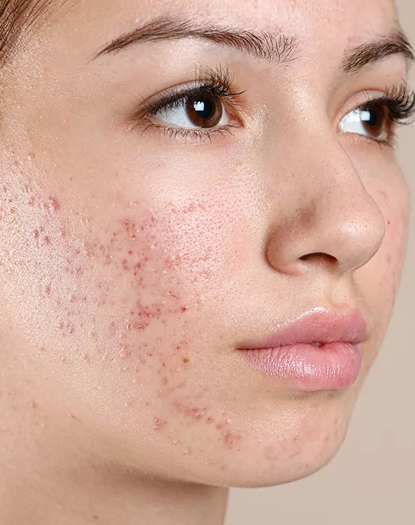
Pico Toning is a non-ablative laser that uses ultra-short picosecond pulses to break pigment into tiny fragments. It clears sun spots, melasma, acne marks, and uneven tone with minimal heat damage. Sessions are quick, downtime is low, and improvements appear over weeks as the skin naturally clears.
No of Sessions
Treatment Time
Downtime
Pico Toning is an advanced picosecond laser treatment that breaks pigment and improves texture without burning the skin. It works fast, needs little downtime, and is ideal for stubborn pigmentation, acne marks, and early signs of aging.
Pico Toning works by sending ultra-short picosecond laser pulses into the skin. These pulses create a rapid “photo-acoustic” effect that breaks pigment into tiny fragments without heating the tissue. Once the pigment is shattered, the body naturally clears it over the next few weeks. This process gradually improves uneven tone, acne marks, melasma, and dullness with minimal downtime.
4.9
Pico Toning is a gentle option for women who want brighter, even-toned skin without a long recovery. It helps with:
Men benefit from Pico toning for natural-looking rejuvenation and pigment control, with quick recovery. Typical uses include:
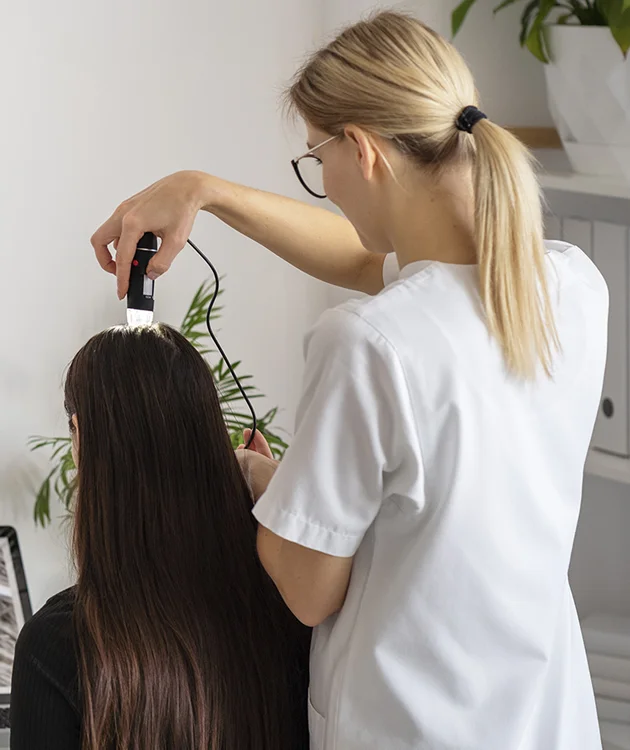
Our dermatologist first assesses your skin, your pigment type, and your medical history. You may be advised to stop strong actives (retinoids/AHAs/BHAs) 3–5 days before treatment and avoid recent tanning. Share the history of cold sores, recent procedures, or topical prescriptions.
The area is cleansed, and laser settings are mapped for your skin type. Pico handpieces deliver rapid pulses; you may feel light snapping or tingling. Sessions are usually 15–45 minutes, and topical cooling or chilled air may be used for comfort.
Expect mild redness or tiny darkening of spots that settle within hours to a few days. Avoid heavy activities and direct sun for several days. Use a high-SPF sunscreen and gentle hydrating skincare to protect results. Pigment clearance and collagen changes continue over weeks to months.
Picosecond lasers are generally safe when used by trained dermatologists. Short-term effects include mild redness, transient darkening of spots, or slight dryness. Serious complications are uncommon but can occur if improperly used—hence, device choice, conservative settings, and provider experience are crucial, especially for melanin-rich skin. Studies show Pico systems have favorable safety in Fitzpatrick IV–V when protocols are followed.
Kosmoderma Skin, Hair & Body Clinics
Legacy of Trust
Over 20 years of excellence in advanced dermatology and aesthetic care.
Expert Care
Treatments led by MD-Certified Dermatologists with global training and experience.
Circle of Trust
All procedures use US-FDA-approved and Clinically Proven Technology for your safety.
Pico Toning fades pigment, improves texture, and adds a glassy glow without heavy peeling. Results grow with each session: spots fade, pores refine, and skin feels firmer thanks to collagen stimulation. Many clients notice visible improvement after the first session; deeper pigment needs a complete course.
Lorem ipsum dolor sit amet, consectetur adipiscing elit. Ut elit tellus, luctus nec ullamcorper mattis, pulvinar dapibus leo.
Lorem ipsum dolor sit amet, consectetur adipiscing elit. Ut elit tellus, luctus nec ullamcorper mattis, pulvinar dapibus leo.
Most patients need 2–6 sessions, depending on pigment depth and goals. Sessions are usually spaced 3–6 weeks apart.
Sensation varies—many describe mild snapping or tingling. Topical numbing or cooling air can make treatment comfortable.
Some improvement is visible within a few weeks. For deeper pigment, the best results appear after multiple sessions over 2–3 months.
Yes—Pico systems have a better safety profile in darker skin than many thermal lasers when used correctly; an in-clinic assessment is essential.
Downtime is minimal. Expect short-lived redness, occasional mild swelling, or temporary darkening of spots that flake off. Most clients return to work the same day or the next.
Pico can help melasma, but it is not a one-size-fits-all cure. Combined approaches (topical agents, sun protection, and maintenance) give the best, longer-lasting control.
Pico lasers are effective at fading many tattoo inks (including blue and green) faster than older Q-switched lasers, but multiple sessions are still needed.
Use broad-spectrum SPF daily, avoid active exfoliants for a few days, and follow your dermatologist’s skincare plan to protect results.
Avoid during active skin infection, open wounds, recent sunburn, or if you have used strong photosensitizing medications. Pregnant or breastfeeding patients should consult their doctor.
Pico uses photomechanical pulses (picoseconds) that fragment pigment without significant heating—often fewer sessions, less downtime, and a lower risk of thermal-induced PIH than older lasers.
Kosmoderma is proudly powered by WordPress

India’s 1st NABH Accredited Aesthetic Brand
Terms of Use & Privacy Policy | Disclaimer
@2025 Kosmoderma