


Keloid Removal at Kosmoderma offers tested treatments to shrink, soften, or remove raised scars that keep growing beyond the original wound. Our dermatologists choose a plan based on the keloid’s size and place and how it affects you—using injections, cryo, lasers, pressure, or surgery with follow-up care to lower the chance of return.
No of Sessions
Treatment Time
Recovery Time
A keloid is a raised scar that grows bigger than the skin wound that caused it. It can be hard, rubbery, or soft and may be round or spread out like a spill. Keloids can be itchy, painful, or limit movement when near joints. Board-certified dermatologists know how to treat them safely.
Keloid care uses treatments that shrink, soften, or remove extra scar tissue and calm the skin’s overactive healing response. Your dermatologist will pick one or more injection options to soften the scar, freezing, lasers to flatten and fade, pressure or silicone to stop regrowth, or surgery followed by extra steps to lower recurrence. The plan depends on size, place, and past treatment response.
4.9
Many women want keloids flattened so they can wear certain clothes, use earrings, or feel better about how their skin looks. We also treat keloids that cause itch or pain after surgery, piercings, or acne. Our goal is to make skin smoother and reduce symptoms with the least fuss.
Men often seek keloid treatment for comfort, movement, or to fit job dress codes. Keloids from shaves, surgery, or tattoos can also be bothersome. We create strong but gentle plans to reduce the size and ease symptoms so that daily life is easier.
At your first visit, the doctor looks at the keloid, asks about past care, and talks about what you want. We explain likely steps, risks, and the follow-up plan. Tell us if you had prior treatments—this helps pick the best next step.
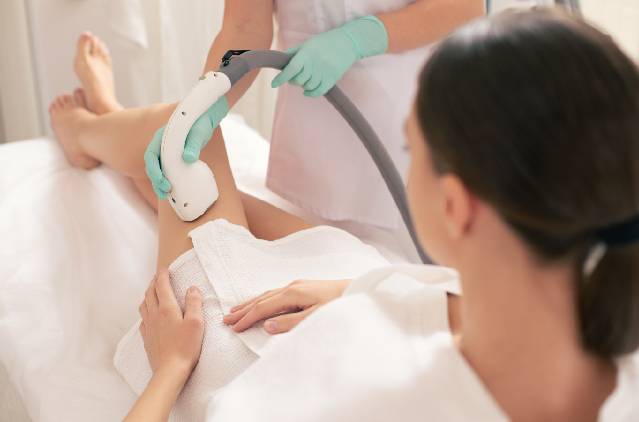
Treatment depends on the plan. It may be steroid injections, freezing (cryosurgery), laser sessions, pressure devices or silicone sheets, or surgery done by the dermatologist. We use numbing or local anesthesia when needed so you stay comfortable. Many plans mix methods for better results.
You may have swelling, redness, or tenderness after treatment. We give clear home care steps and schedule follow-ups. For many treatments, wearing pressure garments or silicone sheets for weeks helps prevent the keloid from coming back. Stick to the plan for the best chance of lasting improvement.
Kosmoderma Skin, Hair & Body Clinics
Legacy of Trust
Over 20 years of excellence in advanced dermatology and aesthetic care.
Expert Care
Treatments led by MD-Certified Dermatologists with global training and experience.
Circle of Trust
All procedures use US-FDA-approved and Clinically Proven Technology for your safety.
Our treatments aim to ease pain and itching, flatten raised scars, and make skin look and move better. Results vary by keloid size, location, and past treatments. Many patients see good shrinking and symptom relief with a combined plan over several sessions.
What You Will Usually Notice
A keloid is a raised scar that grows beyond the edges of the original wound. It may be firm or soft and can be itchy or painful while it grows.
No, Keloids are not contagious.
Family history, age (10–30 years), and darker skin tones raise the risk. Certain injuries, like piercings, acne, burns, or surgery, can trigger keloids.
Usually not. Unlike some other raised scars, keloids rarely fade without treatment.
No single treatment fits all. Options include steroid injections, cryosurgery, laser, silicone or pressure therapy, and sometimes surgery with follow-up care. Many plans mix treatments for better results.
They can. Keloids may return after a single treatment, so follow-up care like injections, pressure, or silicone is often used to lower the chance of return.
They can be tender, itchy, or cause a burning feeling while they grow. Pain often eases when the keloid stops growing, but some remain sensitive.
Yes. Large keloids over joints or wide areas can limit how far you can move or stretch.
Surgery can remove a keloid, but it has a high chance of the scar coming back if used alone. Surgeons often follow with injections, pressure, or radiation to reduce recurrence.
Cost depends on keloid size, location, and the chosen treatment plan. We provide a clear estimate after your consultation.
Kosmoderma is proudly powered by WordPress


India’s 1st NABH Accredited Aesthetic Brand
Terms of Use & Privacy Policy | Disclaimer
@2025 Kosmoderma