Book Your Appointment
It’s not so hard to keep abreast with what’s happening in the world of SELF-CARE. All you need to do is drop email and we will keep dropping the knowledge bomb!

Gynecomastia is the medical term used to describe enlarged breast tissue in men. Studies show that nearly 30–40% of men experience gynecomastia at some stage of life, especially during puberty, adulthood, or later years. Hormonal imbalance is the most common cause.
The good news is that with modern medical and surgical treatments, gynecomastia can be safely treated.
Affects: Teenagers, Adults & Older Men
Primary Cause: Hormonal Imbalance
Recovery Time: Minimal downtime
Gynecomastia refers to the abnormal growth of breast tissue in men due to an imbalance between estrogen and testosterone hormones. It can affect one or both sides of the chest and may feel soft, firm, or rubbery.
Many men mistake gynecomastia for chest fat. However, true gynecomastia involves glandular tissue, not just fat. This condition can cause physical discomfort as well as emotional stress, especially while wearing fitted clothes or participating in social activities.
Gynecomastia means enlargement of breast tissue in men.
Affects teenagers, adults, and older men.
Hormonal imbalance is the most common cause.
Can impact confidence and body image.
Modern treatments offer permanent and safe results
Gynecomastia refers to the abnormal growth of breast tissue in men due to an imbalance between estrogen and testosterone hormones. It can affect one or both sides of the chest and may feel soft, firm, or rubbery.
Many men mistake gynecomastia for chest fat. However, true gynecomastia involves glandular tissue, not just fat. This condition can cause physical discomfort as well as emotional stress, especially while wearing fitted clothes or participating in social activities.
Are overweight or obese
Use anabolic steroids or certain medications
Have a hormonal imbalance
Consume alcohol regularly
Have a family history of gynecomastia?
4.9
Specialists classify gynecomastia into the following types:
Common during teenage years due to hormonal changes. In many cases, it settles on its own.
Occurs in adult men due to lifestyle factors, weight gain, stress, or hormonal imbalance.
Caused by excess fat deposition in the chest area rather than glandular tissue.
Triggered by certain medications such as steroids, antidepressants, or hormonal drugs.
Develops in older men due to reduced testosterone levels.
Low testosterone or increased estrogen is the primary cause of gynecomastia. Temporary hormonal shifts during teenage years are common and often settle on their own.
Liver disease, kidney problems, thyroid disorders, or tumours affecting hormone levels can also trigger this condition.
Early medical advice can prevent progression. Consulting a doctor early is always recommended.
Excess fat increases estrogen levels, leading to chest enlargement. Alcohol consumption, smoking, and lack of exercise can contribute to gynecomastia.
Certain medicines used for heart conditions, ulcers, anxiety, or bodybuilding may also cause gynecomastia.
You may be at higher risk if you are overweight or obese, use anabolic steroids, consume alcohol regularly, or have a family history of gynecomastia.

Early diagnosis helps in choosing the right treatment approach. A detailed discussion about medical history, medications, lifestyle habits, and symptoms is carried out by the doctor.
Doctors check whether the enlargement is due to fat, glandular tissue, or both.
A physical examination is done to assess the type and extent of enlargement. Blood tests or scans may be advised to check hormone levels or rule out underlying conditions.
Based on diagnosis, a suitable treatment plan is created — clinical management, liposuction, or surgery depending on the case.
With proper diagnosis and the right treatment approach, most men achieve a flatter, more masculine chest and improved confidence.
Diet and exercise plans are provided to help maintain results. Limiting alcohol and avoiding steroid misuse reduces the risk of recurrence.
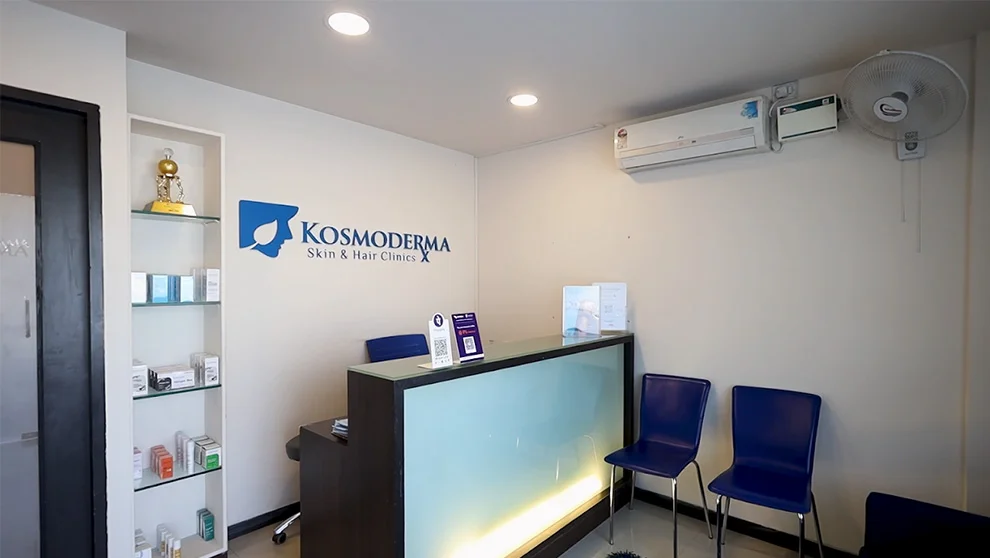

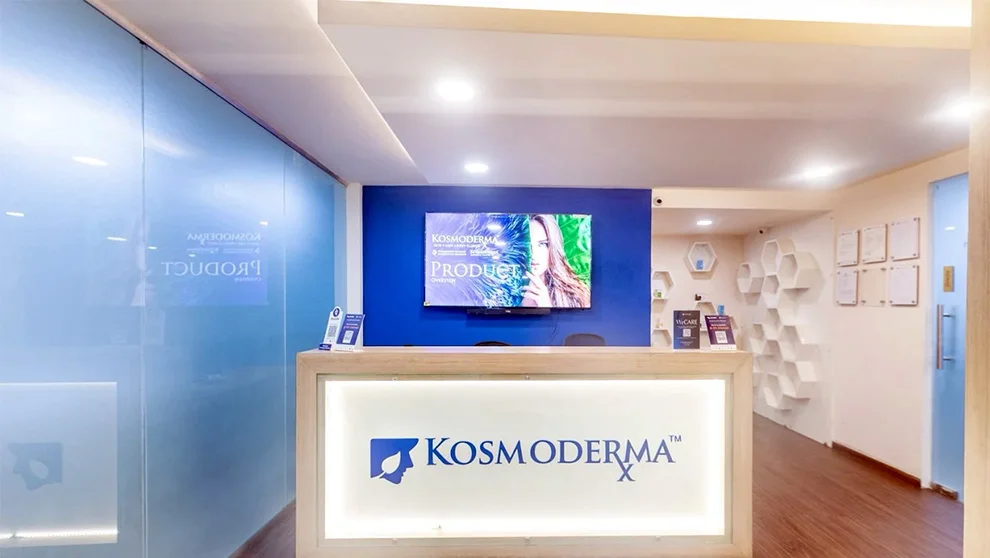
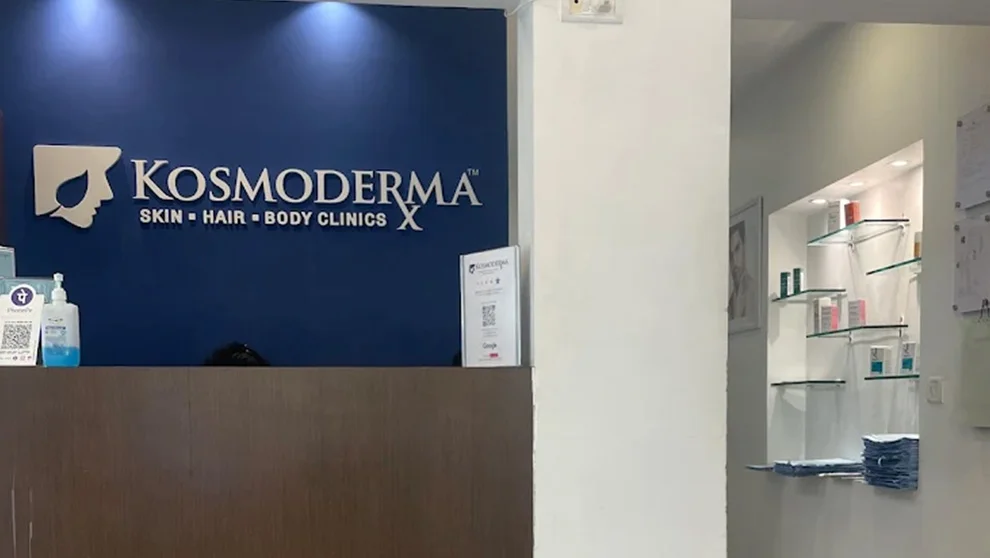






Kosmoderma Skin, Hair & Body Clinics
Legacy of Trust
Over 20 years of excellence in advanced dermatology and aesthetic care.
Expert Care
Treatments led by MD-Certified Dermatologists with global training and experience.
Circle of Trust
All procedures use US-FDA-approved and Clinically Proven Technology for your safety.
Permanent and safe results with modern medical and surgical treatments.
Gynecomastia is a treatable condition. With proper diagnosis and the right treatment approach, most men achieve a flatter, more masculine chest and improved confidence.

Gynecomastia is the medical term used to describe enlarged breast tissue in men due to an imbalance between estrogen and testosterone hormones.
Yes. Studies show that nearly 30–40% of men experience gynecomastia at some stage of life, especially during puberty, adulthood, or later years.
True gynecomastia involves glandular tissue, not just fat. Many men mistake gynecomastia for chest fat. A doctor can confirm the difference through a physical examination.
Pubertal, Adult, Pseudogynecomastia, Drug-Induced, and Age-Related gynecomastia are the main types classified by specialists.
Low testosterone or increased estrogen, weight gain, alcohol consumption, smoking, certain medications, liver disease, kidney problems, thyroid disorders, and tumours affecting hormone levels.
Through a detailed consultation, physical examination to assess fat versus glandular tissue, and blood tests or scans to check hormone levels or rule out underlying conditions.
Clinical management for early or mild cases, liposuction to remove excess fat, gynecomastia surgery for permanent glandular tissue removal, and lifestyle guidance for diet and exercise.
Maintaining a healthy weight, avoiding alcohol and steroid misuse, managing stress, and seeking early medical advice can reduce the risk.
Yes. Gynecomastia surgery is a permanent solution for glandular tissue removal and chest reshaping.
Men who are overweight or obese, use anabolic steroids or certain medications, have a hormonal imbalance, consume alcohol regularly, or have a family history of gynecomastia.

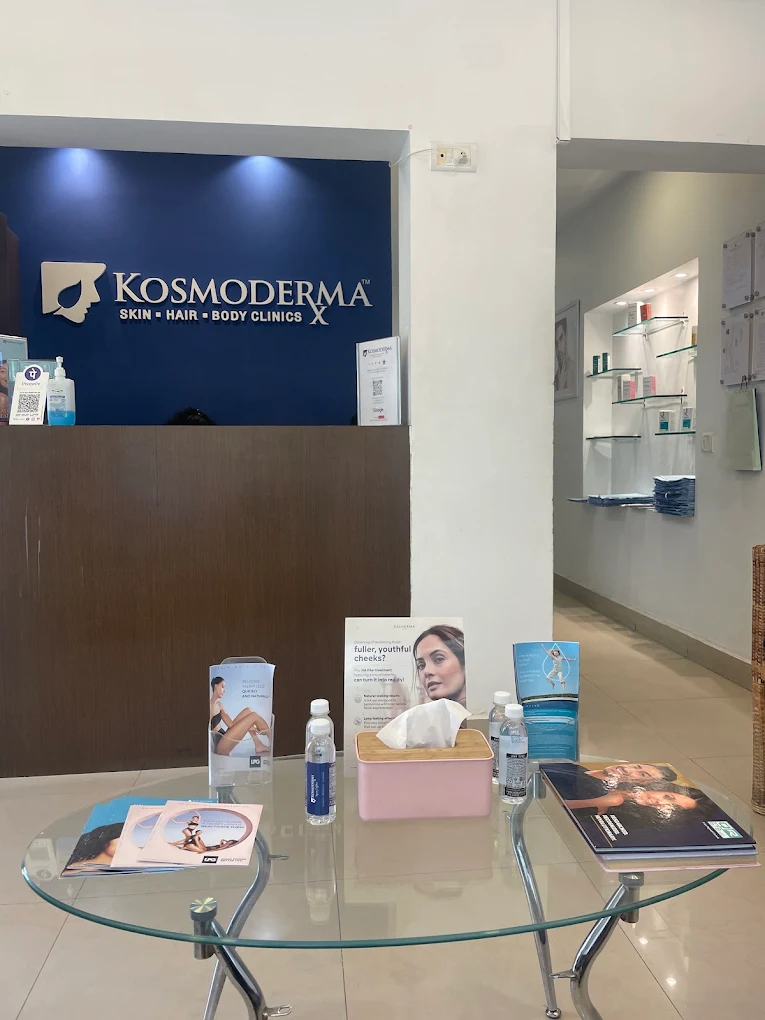
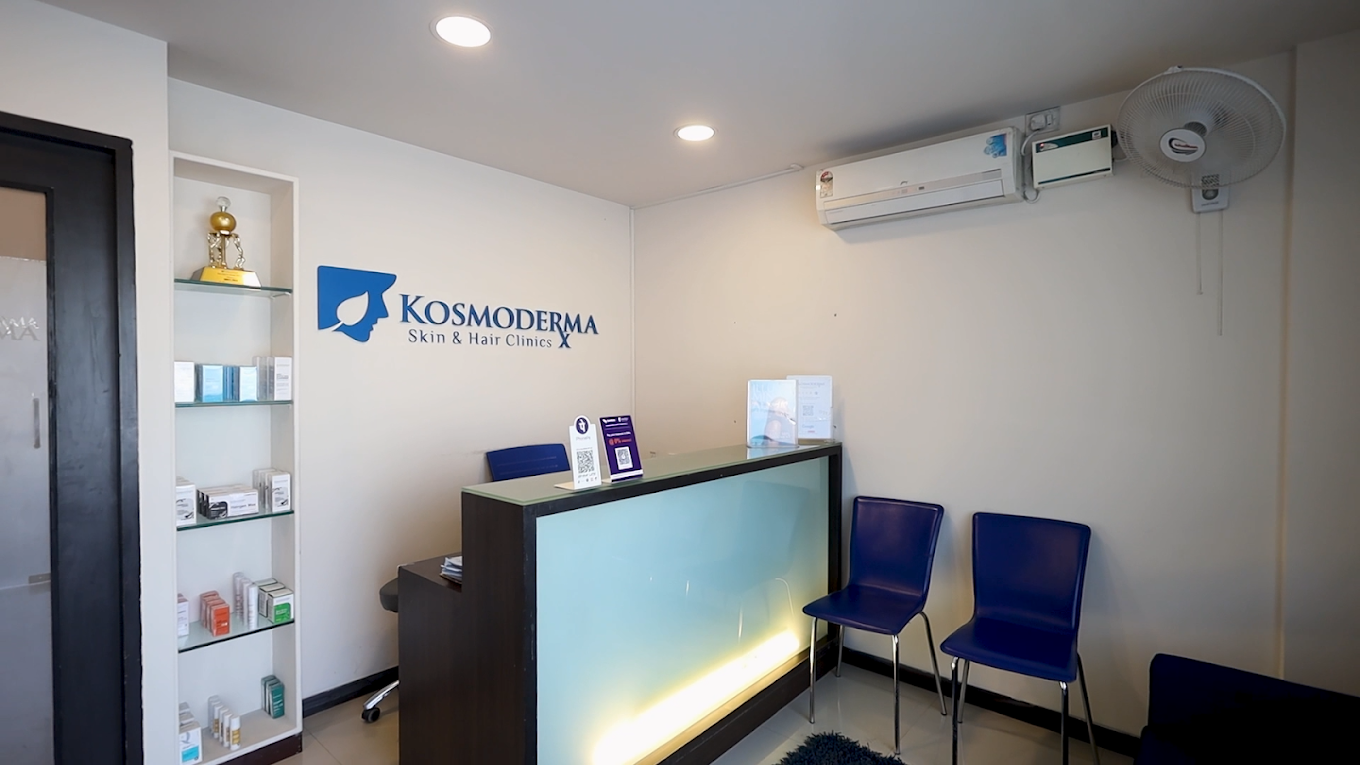



India’s 1st NABH Accredited Aesthetic Brand
Terms of Use & Privacy Policy | Disclaimer
@2025 Kosmoderma