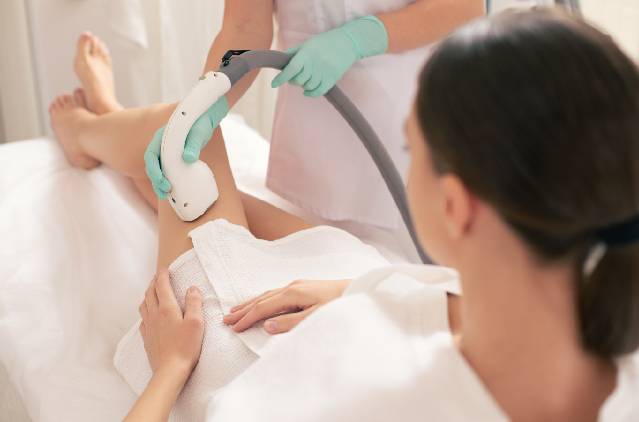













Hair loss, medically called alopecia, is a common concern seen in both men and women today. Studies show that nearly 58% of men between 30 and 50 years old and around 12% of women in their 20s experience noticeable hair loss. While genetics play a major role, lifestyle, stress, hormones, and health conditions can also trigger hair fall.
No of Sessions
Treatment Time
Down Time
Hair loss or alopecia refers to partial or complete loss of hair, either from the scalp or other parts of the body. Losing 50–100 hairs a day is normal. However, if you notice the following:
…it’s time to consult a hair specialist.
The most common form is androgenetic alopecia (pattern hair loss), which develops slowly and can start as early as the 20s.
The most common type of hair loss is seen in men and women. It is genetic and increases with age, leading to thinning hair or baldness.
Sudden and diffuse hair shedding that usually occurs 2–3 months after a trigger such as stress, illness, weight loss, or childbirth. It is often temporary.
Hair loss caused by repeated pulling of hair is usually linked to emotional or psychological stress.
Age-related hair thinning is caused by a shorter hair growth phase, leading to slower regrowth.
A rare condition where inflammation damages hair follicles permanently, preventing regrowth.
4.9
Pregnancy, menopause, PCOD, thyroid issues, and insulin resistance can trigger hair fall in women. Hormonal imbalance also affects men.
Poor diet, nutritional deficiencies, stress, and lack of sleep can further weaken hair roots. Women with PCOD, thyroid issues, or hormonal changes are especially at risk.
A family history of baldness increases the risk of pattern hair loss. Early diagnosis gives better control and faster results.
Androgenetic alopecia is the most common type of hair loss seen in men. It is genetic and increases with age, leading to thinning hair or baldness.
Stress, lack of sleep, poor diet, and nutritional deficiencies can weaken hair roots. Frequent use of tight hairstyles, chemical treatments, and excessive heat styling can also damage follicles.
Men with a family history of baldness, people under high stress, and those undergoing medical treatments affecting hair growth are most at risk.
Before starting treatment, our dermatologist checks your medical history, lifestyle, diet, stress levels, and hair loss pattern.
Early diagnosis gives better control and faster results.
Share medical history and current medications
Avoid waxing or chemical treatments before consultation
Keep the scalp clean before your appointment
Ask about expected sessions and results
A detailed scalp and hair analysis is done using advanced tools to check hair density, follicle health, and scalp condition.
Blood tests may be advised to detect hormonal imbalance or nutritional deficiencies.
Based on your diagnosis, our dermatologist creates a custom treatment plan that suits your hair type, hair loss stage, and lifestyle.
The right treatment, at the right time, makes all the difference. That’s why every hair loss journey at Kosmoderma starts with the right diagnosis—so you get results that last.
Kosmoderma Skin, Hair & Body Clinics
Legacy of Trust
Over 20 years of excellence in advanced dermatology and aesthetic care.
Expert Care
Treatments led by MD-Certified Dermatologists with global training and experience.
Circle of Trust
All procedures use US-FDA-approved and Clinically Proven Technology for your safety.
With timely intervention and expert care at Kosmoderma, most patients see a visible reduction in hair fall and improved hair density over time.
Hair loss outcomes depend on early diagnosis, correct identification of the cause, and consistency with treatment.
Hair loss or alopecia refers to partial or complete loss of hair, either from the scalp or other parts of the body.
Losing 50–100 hairs a day is normal. If you notice excessive daily hair fall, thinning at the crown, or bald patches, consult a hair specialist.
Androgenetic alopecia, Telogen Effluvium, Trichotillomania, Involutional Alopecia, and Scarring Alopecia are the main types classified by dermatologists.
Pregnancy, menopause, PCOD, thyroid issues, and insulin resistance can trigger hair fall in women. Nutritional deficiencies and stress also play a role.
Genetics, androgenetic alopecia, stress, poor diet, tight hairstyles, chemical treatments, and medications are common causes in men.
Through a doctor consultation (Step 1), Trichoscopy — a detailed scalp and hair analysis (Step 2), and blood tests if needed to detect hormonal imbalance or nutritional deficiencies (Step 3).
PRP Therapy, QR 678, GFC, Exosomes Therapy, Minoxidil Scalp Treatment, LLLT, Hair Transplant, Kosmo Hair Gen, Dandruff Treatment, Hair Regenera, and Keravive Hair Treatment.
With today’s advanced hair loss treatments and expert dermatology care, hair fall can be controlled, treated, and even reversed in many cases.
Avoid harsh chemical treatments and excessive heat, follow a gentle hair care routine, eat a balanced diet rich in protein, iron, and vitamins, exercise regularly, manage stress, and avoid tight hairstyles.
Men with a family history of baldness, women with PCOD or thyroid issues, people under high stress, individuals with a poor diet, and those undergoing medical treatments affecting hair growth.
Kosmoderma is proudly powered by WordPress






India’s 1st NABH Accredited Aesthetic Brand
Terms of Use & Privacy Policy | Disclaimer
@2025 Kosmoderma