Book Your Appointment
It’s not so hard to keep abreast with what’s happening in the world of SELF-CARE. All you need to do is drop email and we will keep dropping the knowledge bomb!
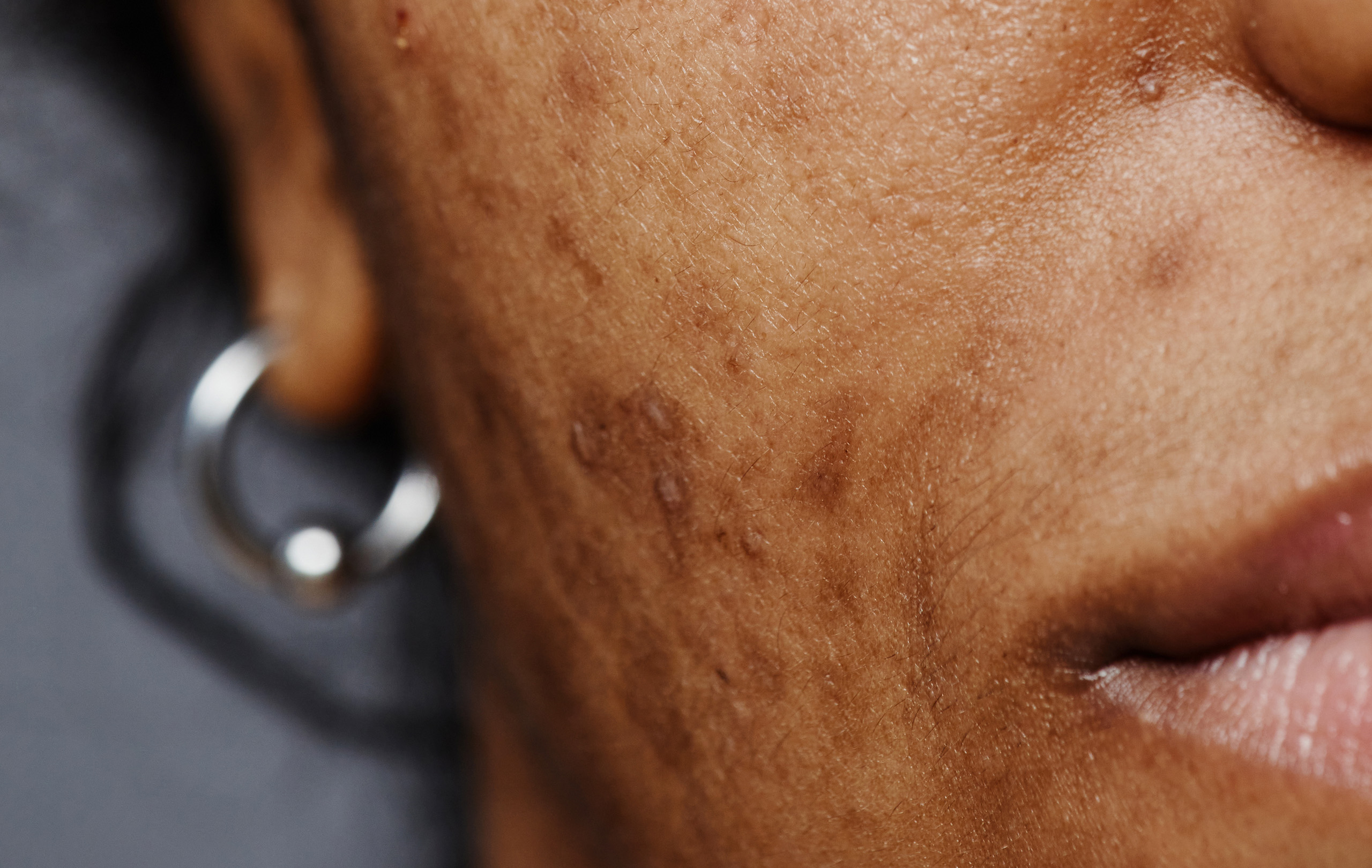
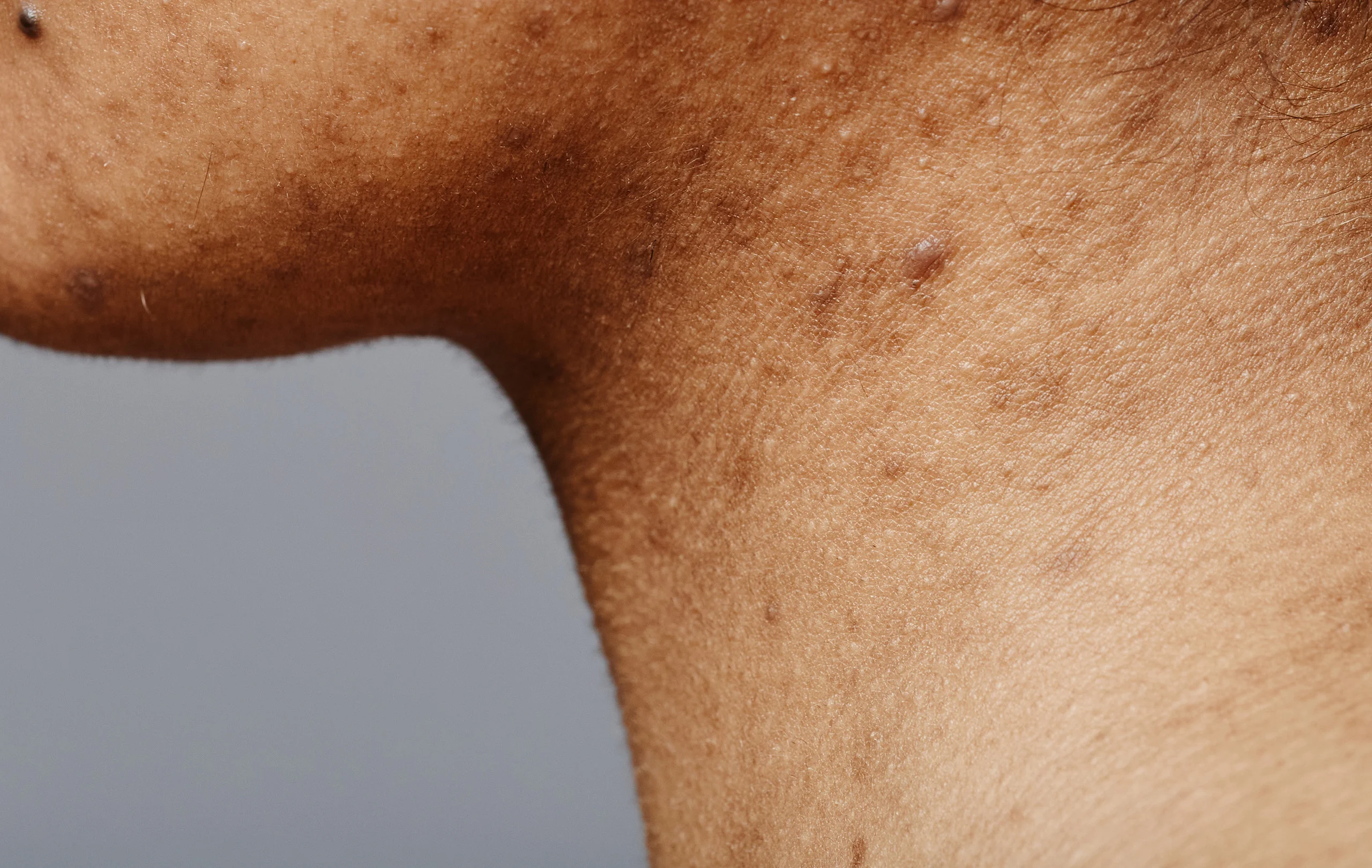
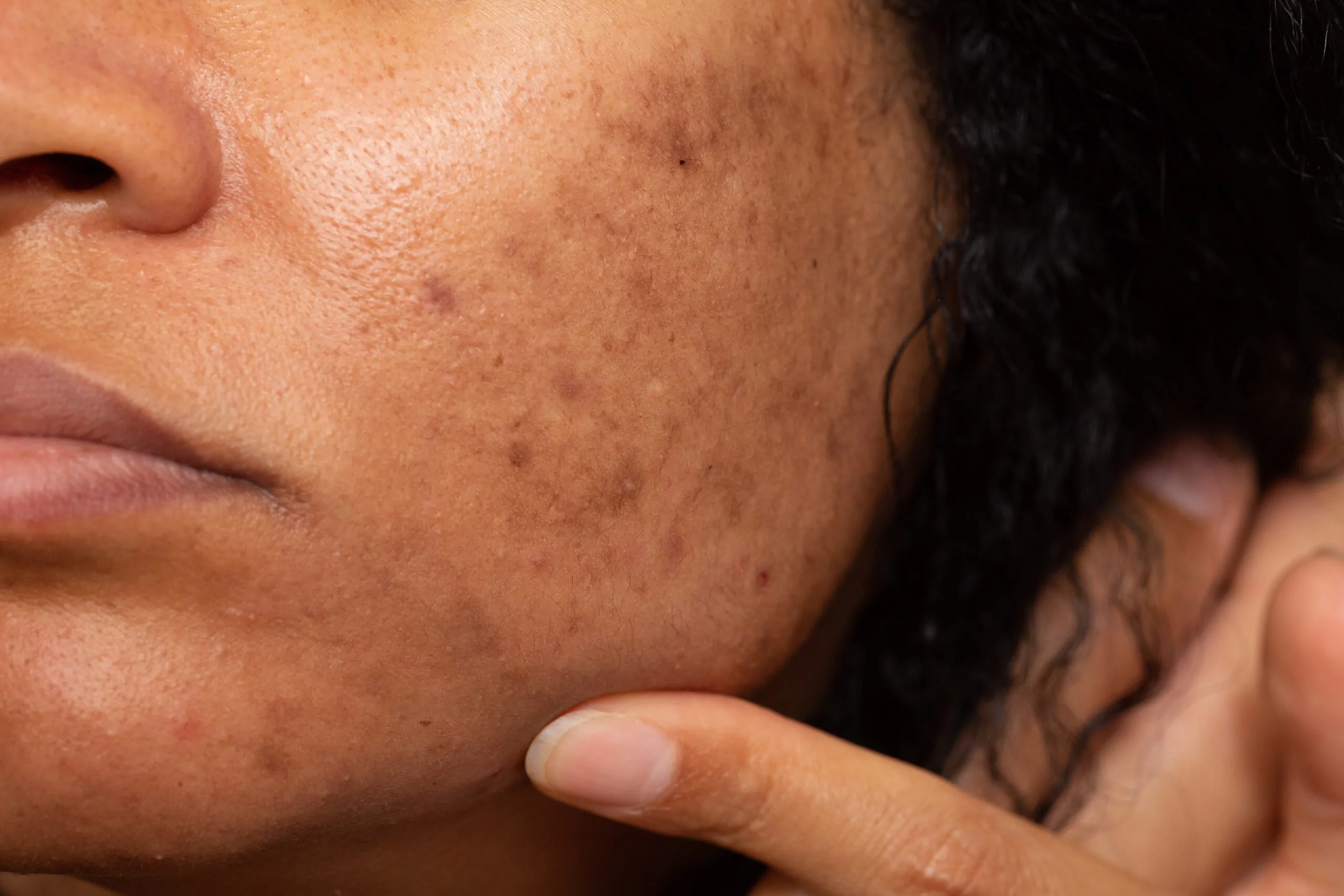
If topical creams, sunscreen, and chemical peels haven’t helped your melasma, laser treatment might be the next step. It can significantly reduce pigmentation in some patients. However, it also comes with risks that many blogs do not mention.
It’s important to understand how melasma works, which lasers are the safest, and what realistic results look like before beginning treatment.
When clinics quote a price, they may mean different things by it. One clinic’s “package” could include surgeon + OT + implants; another might list only the surgeon fee and add everything else later. That’s why two quotes for the same procedure can vary widely.
Think of surgery like ordering a customised car: base model price vs final on-road cost. Look beyond the headline number. Ask for a written, itemised estimate before you decide.
Topical treatments and strict sun protection are ways to treat melasma. People use agents like hydroquinone, tretinoin, azelaic acid and tranexamic acid to reduce melanin production. Chemical peels, those with glycolic and tranexamic acid, help remove surface pigmentation. The important thing, for both preventing and treating melasma, is to use a broad-spectrum SPF 50+ sunscreen every day.
These methods do have some downsides. The response is slow and may require 3-6 months to show results. Prolonged administration of hydroquinone can increase pigmentation. Chemical peels can cause problems, like post-inflammatory hyperpigmentation (PIH), especially for people with darker skin. Even with good outcomes, melasma might recur with sun exposure or hormonal changes. This is where laser treatments for melasma can help fill the gap.
It is important to state clearly: a laser is not a first-line treatment for melasma. It is best considered an adjunct therapy in resistant cases, following proper patient selection and counselling.
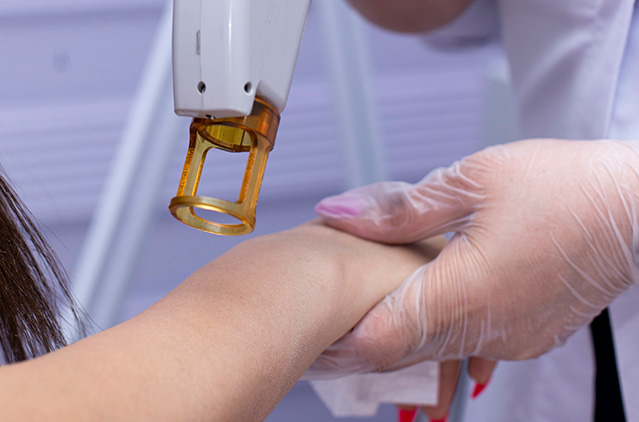
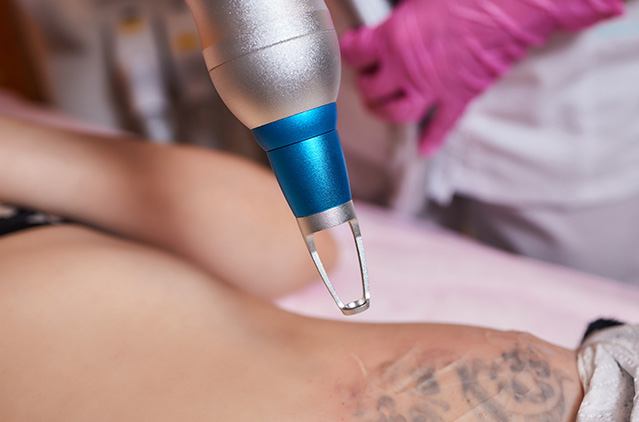
Laser treatment for melasma works on the principle of selective photothermolysis. It delivers targeted light energy at specific wavelengths that are selectively absorbed by melanin. This causes the melanin clusters to fragment, after which the body naturally clears the debris, gradually lightening the pigmentation.
When used appropriately, laser treatment can improve pigmentation that has not responded adequately to topical therapies alone.
This is the most commonly used laser for melasma in South and Southeast Asia. It uses low-fluence, high-frequency pulses to target melanosomes without significantly damaging surrounding melanocytes.
This is also known as laser toning. It breaks down pigment while preserving surrounding tissue. It is also the most well-studied laser modality for melasma, with a strong safety profile for darker skin types.
Fractional non-ablative lasers create microscopic zones while leaving surrounding skin intact. This allows better healing with a lower risk of PIH compared with fully ablative lasers. They allow gradual pigment reduction with less chances of relapse or worsening.
Picosecond technology represents the most significant recent advancement in laser treatment for melasma. These devices deliver energy in extremely short pulses (in picoseconds), which breaks pigment apart with less heat damage to the surrounding skin.
The practical advantage is a lower risk of PIH, making picosecond lasers particularly promising for patients who have not responded well to conventional laser treatments.
Although IPL is often grouped with lasers, it requires caution in melasma patients. IPL can generate excess heat in surrounding skin tissue, potentially worsening pigmentation, especially in darker skin phototypes.
For this reason, IPL is generally approached cautiously and is rarely recommended as a standalone treatment for melasma.
Laser therapy is not suitable for every patient with melasma. Proper selection is critical.
The best candidates are typically patients who:
Patients with darker skin types (Fitzpatrick IV+) require particular caution with heat-based devices.
Contraindications include:
A detailed dermatological assessment should always precede treatment.
Before your treatment: Many practitioners recommend a 4–6 week priming phase using topical depigmenting agents such as hydroquinone, azelaic acid, or tranexamic acid to reduce melanocyte activity and minimise PIH risk. A patch test will be performed on a small portion of skin before the entire facial treatment.
Sun avoidance before treatment is essential because recently tanned skin increases the risk of burns and uneven pigmentation.
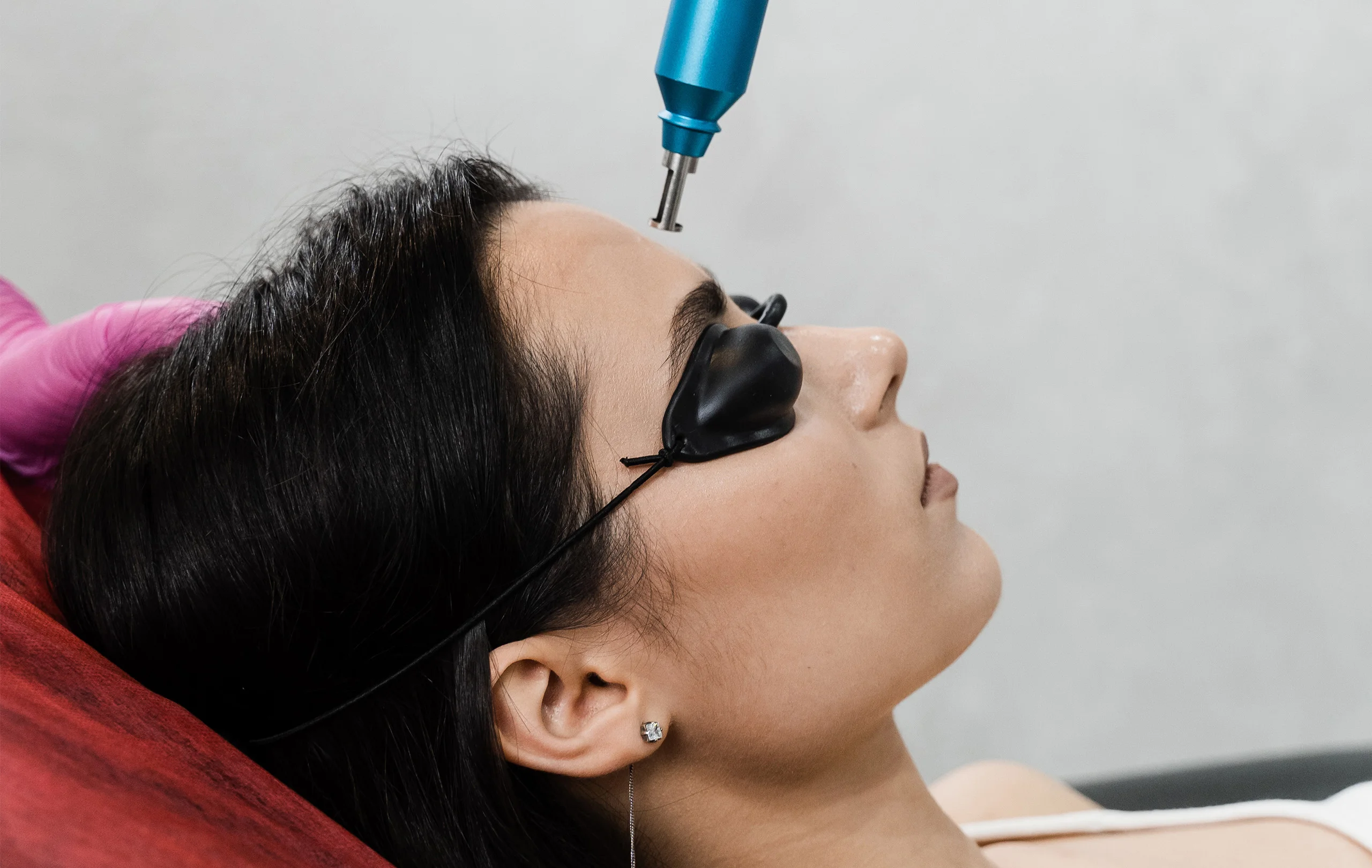
During the session: A local anaesthetic cream is usually applied 30 minutes before the procedure. Sessions typically last 20–30 minutes for the full face. Most patients experience only mild warmth or tingling.
After treatment: Some redness or mild swelling for 24 to 48 hours is normal. Melasma typically requires multiple treatment sessions — usually six to ten — with periodic maintenance every three to six months thereafter. Improvement is gradual rather than dramatic after a single session.
Transparency here is important because melasma is one condition where the wrong laser, used by an inexperienced practitioner, can genuinely worsen pigmentation.
The most significant risk is post-inflammatory hyperpigmentation, a darkening of the treated area triggered by inflammation from the laser itself. This is particularly relevant for patients with darker skin tones.
Other possible side effects include:
Recurrence is not considered a complication; it is part of the biology of melasma itself.
Patients should understand from the outset that laser therapy is a management strategy rather than a permanent cure.
Most side effects are temporary, but choosing the right doctor and machine greatly reduces risks.
In clinical practice, the best outcomes are usually achieved through combination therapy rather than laser monotherapy.
Melasma has many causes, which is why using several treatments together generally produces the best long-term outcomes.
Successfully treating melasma is only half the challenge. Preventing recurrence requires ongoing maintenance.
Daily broad-spectrum SPF 50+ sunscreen remains the single most important preventive measure. Tinted sunscreens offer additional protection against visible light, which is increasingly recognised as a melanocyte trigger.
Additional protective strategies include:
Periodic maintenance laser sessions every three to six months may also help prolong remission.
Laser treatment can improve melasma when done carefully by an experienced practitioner, but it is not a quick fix and may not suit everyone.
The goal is not a permanent cure, but melasma can be managed safely and effectively with the right long-term approach and realistic expectations.
If you’re tired of dealing with melasma and would like a personalised assessment, we invite you to book a consultation with our clinical team to design a plan that is right for you.
No. Melasma is a chronic condition, and recurrence remains possible even after successful treatment.
Low-fluence Q-switched Nd:YAG lasers and picosecond lasers are generally considered safer options for darker skin phototypes.
Yes. Incorrect laser settings or inappropriate patient selection can trigger post-inflammatory hyperpigmentation and worsen pigmentation. It is always advisable to get it done under expert care.
Most patients require six to ten sessions, followed by maintenance treatments.
Most patients describe the sensation as mild warmth or tingling rather than significant pain.
Temporary redness and swelling may occur for 24–48 hours, but downtime is usually minimal.
Not necessarily. Some clinics offer packages that are all-inclusive, while others will charge for implants, garments, or consumables separately. It is always best to ask for a breakdown of the costs before you book.
At least two – the first consultation will give you an idea of the options for treatment, and the second consultation will confirm the costs and procedures for recovery and aftercare support.
Not necessarily. A cheaper clinic may be passing on limited technology, unseasoned staff, or not mentioning their exclusions in the initial quote. It is important to always check the surgeon’s expertise, the clinic’s safety protocols, and the results of previous before and afters when making your decision.
Location

India’s 1st NABH Accredited Aesthetic Brand
Top Services
Skin Specialist
Our Clinics
Top Cosmetologists / Top Plastic Surgeon
Terms of Use & Privacy Policy | Disclaimer
@2025 Kosmoderma