Book Your Appointment
It’s not so hard to keep abreast with what’s happening in the world of SELF-CARE. All you need to do is drop email and we will keep dropping the knowledge bomb!
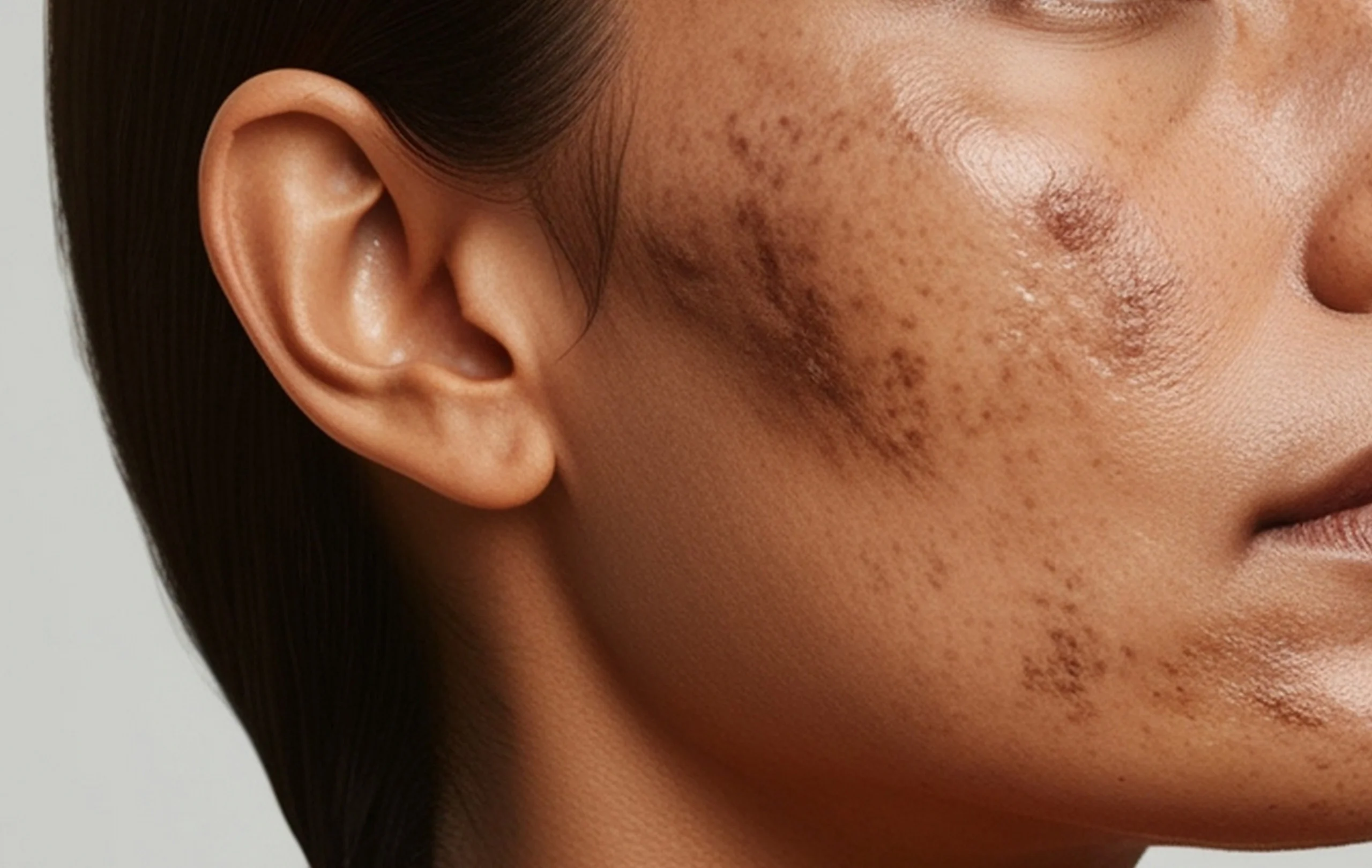
Have you noticed brown or greyish patches on your cheeks, forehead, upper lip, or chin? Many people first ask, what is melasma on the face, especially when the pigmentation appears slowly and seems to get darker over time.
Melasma is a common skin concern that affects both men and women, though it is more often seen in women. It is not dangerous, but it can be frustrating because it affects the way the skin looks and often returns if the triggers are not managed properly.
The good news is that melasma can be controlled with the right diagnosis, skincare, and treatment plan.
Melasma is a skin condition that causes dark, patchy pigmentation on the face. It happens when the skin produces too much melanin, the pigment that gives skin its colour.
Unlike acne or rashes, melasma does not usually cause pain, itching, or inflammation. It often appears gradually and is more visible in areas that are regularly exposed to the sun.
Melasma treatment helps people who are dealing with:
For many people, the biggest concern is not just the pigmentation itself, but the lack of confidence it can cause. A proper treatment plan helps reduce the appearance of patches and prevents them from becoming darker.
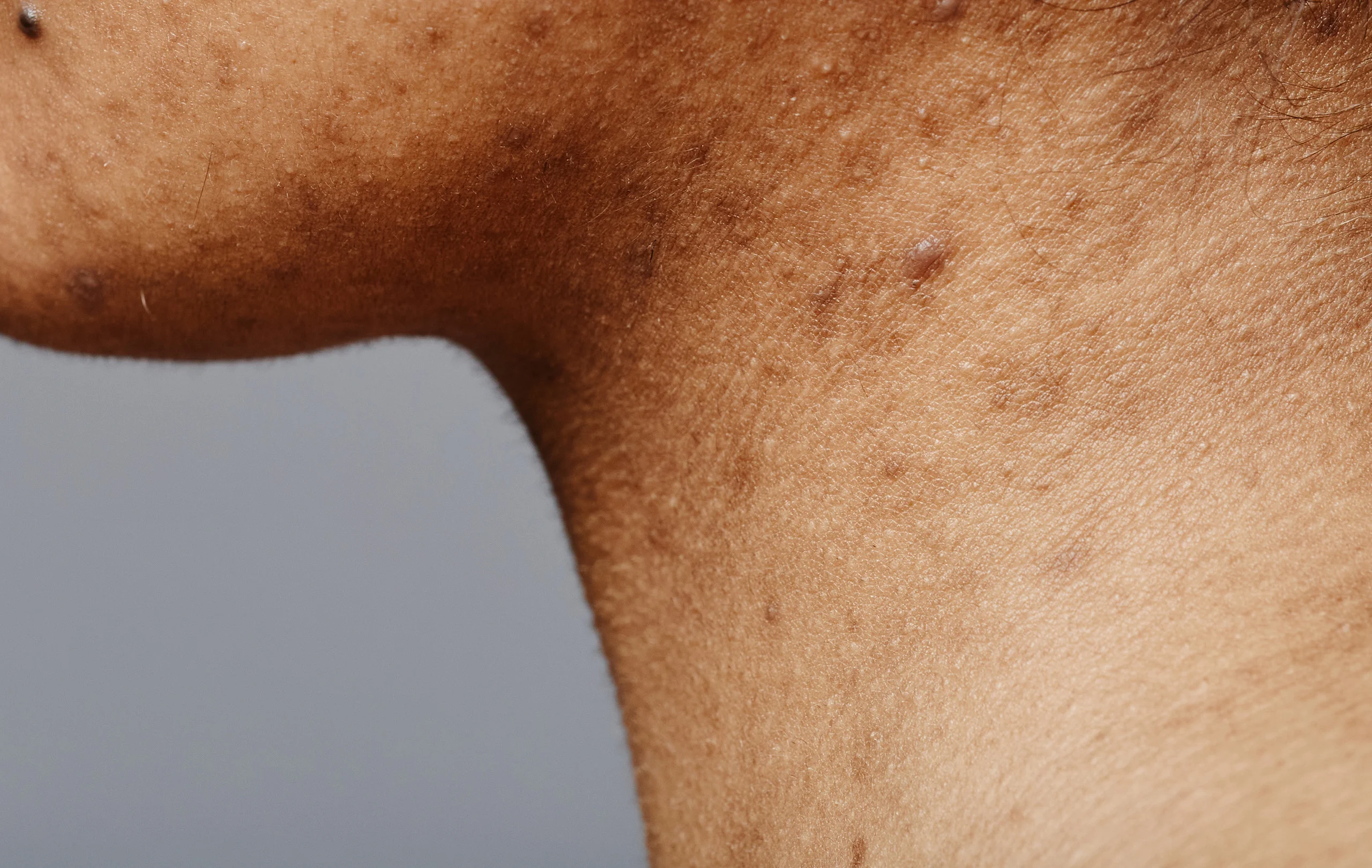
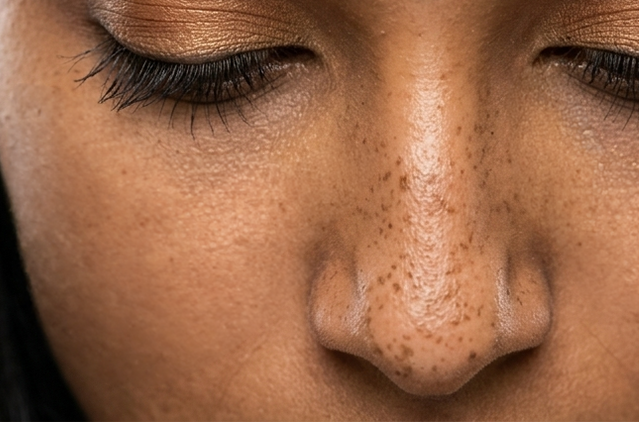
Melasma usually appears as flat brown, tan, or greyish patches. These patches are often symmetrical, which means they appear on both sides of the face in a similar pattern.
The most common areas include:
In some cases, melasma may also appear on the neck or arms, though this is less common.
There is no single cause of melasma. In most cases, it develops because of a combination of triggers.
Hormones are one of the most common reasons behind melasma. It is often linked to:
Pregnancy
Birth control pills
Hormone therapy
This is why melasma is sometimes called the “mask of pregnancy.”
Sunlight is a major trigger. Ultraviolet rays stimulate melanin production, which can make the patches darker and more noticeable.
Even short sun exposure can worsen melasma if the skin is already prone to pigmentation.
If melasma runs in your family, your chances of developing it are higher. Some people are simply more prone to pigmentation than others.
Some medicines and skincare ingredients can make the skin more sensitive to sunlight. This can increase the risk of melasma or make existing patches worse.
Melasma does not usually cause discomfort. The signs are mainly visible on the skin.
Common symptoms include:
Because melasma develops gradually, many people do not notice it at first. It may seem like a mild tan in the beginning and then become more visible over time.
Melasma can affect anyone, but some groups are at higher risk.
Higher-risk groups include:
Because medium and darker skin types naturally have more melanin, they are more likely to develop visible pigmentation when triggered.
Melasma is usually classified into three types.
This affects the outer layer of the skin. It is usually easier to treat and responds better to topical treatment.
This occurs deeper in the skin and is harder to manage. It often needs a more careful treatment plan.
This is the most common type. It includes both superficial and deeper pigmentation.
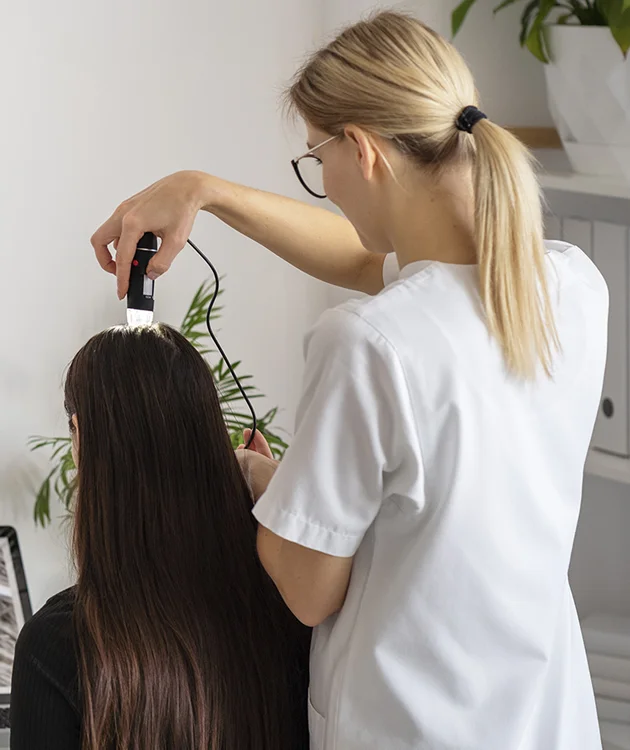
In most cases, a dermatologist can diagnose melasma by looking at the skin. A detailed skin examination is usually enough.
Sometimes, a Wood’s lamp may be used to see how deep the pigment goes. This helps the dermatologist decide the best treatment approach.
A skin specialist should be consulted if:
Getting the right diagnosis early can prevent unnecessary trial-and-error with random creams or remedies.
Melasma is not always easy to treat at home. It often returns if the underlying trigger is not controlled. A dermatologist can help you with a treatment plan that is suitable for your skin type, pigmentation depth, and lifestyle.
The advantage of professional care is that the treatment is more targeted, safer, and better suited to long-term management.
Now that you understand what melasma on the face is, the next question is how to treat it.
These may soothe the skin, but they are not proven treatments for melasma. In many cases, they produce limited results and should not replace medical advice.
Melasma may not always be fully preventable, especially when hormones or genetics are involved. Still, you can reduce the risk and prevent it from worsening.
The most useful habits are:
If you have been wondering what melasma on the face is, the answer is simple: it is a common pigmentation condition that causes dark patches, usually on sun-exposed areas of the face. While it is not dangerous, it can be stubborn and often needs the right combination of medical treatment, daily skincare, and sun protection.
The sooner you get the right guidance, the better your chances of controlling it effectively and keeping your skin looking more even and healthy.
Not always. Some cases improve with treatment, while others need long-term management.
Yes. It is more common in women, but men can get it too.
Sometimes it may fade, especially if it is related to pregnancy. In many cases, it persists without treatment.
No, melasma is not usually harmful to general health. It is mainly a cosmetic concern.
Yes. Sunscreen is one of the most important parts of both treatment and prevention.
It depends on the severity of the pigmentation and how consistently the treatment plan is followed. Improvement usually takes weeks to months.
Not necessarily. Some clinics offer packages that are all-inclusive, while others will charge for implants, garments, or consumables separately. It is always best to ask for a breakdown of the costs before you book.
At least two – the first consultation will give you an idea of the options for treatment, and the second consultation will confirm the costs and procedures for recovery and aftercare support.
Not necessarily. A cheaper clinic may be passing on limited technology, unseasoned staff, or not mentioning their exclusions in the initial quote. It is important to always check the surgeon’s expertise, the clinic’s safety protocols, and the results of previous before and afters when making your decision.
Location



India’s 1st NABH Accredited Aesthetic Brand
Top Services
Skin Specialist
Our Clinics
Top Cosmetologists / Top Plastic Surgeon
Terms of Use & Privacy Policy | Disclaimer
@2025 Kosmoderma