Book Your Appointment
It’s not so hard to keep abreast with what’s happening in the world of SELF-CARE. All you need to do is drop email and we will keep dropping the knowledge bomb!
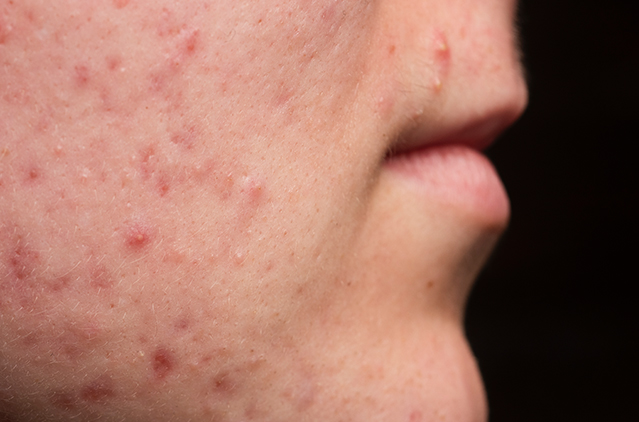
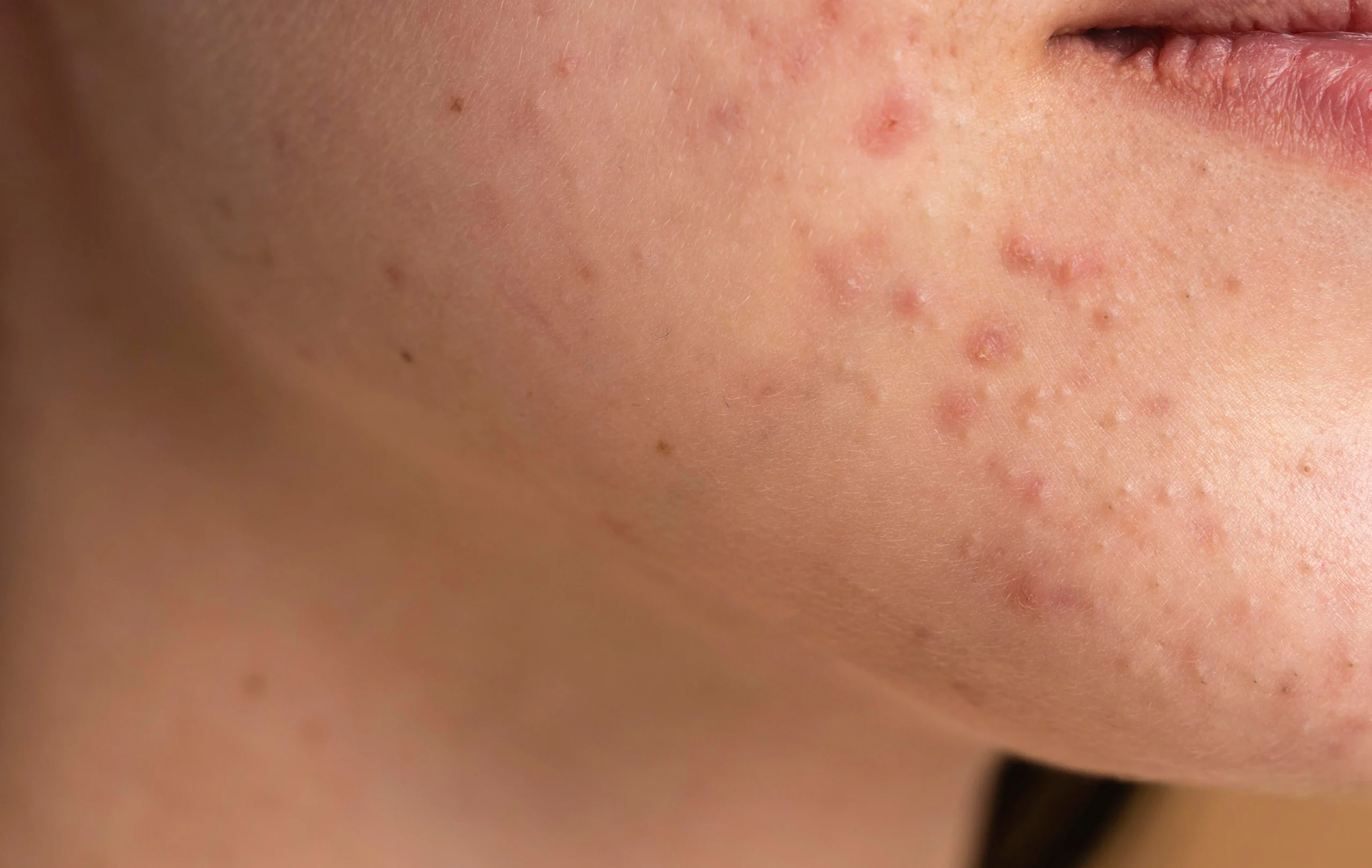
If you develop acne, your skin breaks out into pimples. Now, oily skin is one of the main causes of acne. Where oily skin is concerned, the body releases excess oil, which leads to the blocking of your skin pores with dirt, excess oil, and dead skin cells. This results in acne breakouts, marked by pimples.
It is also interesting to learn that not only oily skin but dry skin is a cause of acne too. Yes, in the case of dry skin, the skin lacks moisture, which prompts the body to secrete excessive oil to bridge the gap. Again, the clogs get blocked, causing acne.
Well, if you are grappling with your acne and pimple issues, you must seek treatment. Certainly, you can try home remedies first. If doing so does not yield the desired results, you should contact a reputed skin clinic, such as Kosmoderma, to address this distressing skin disorder.
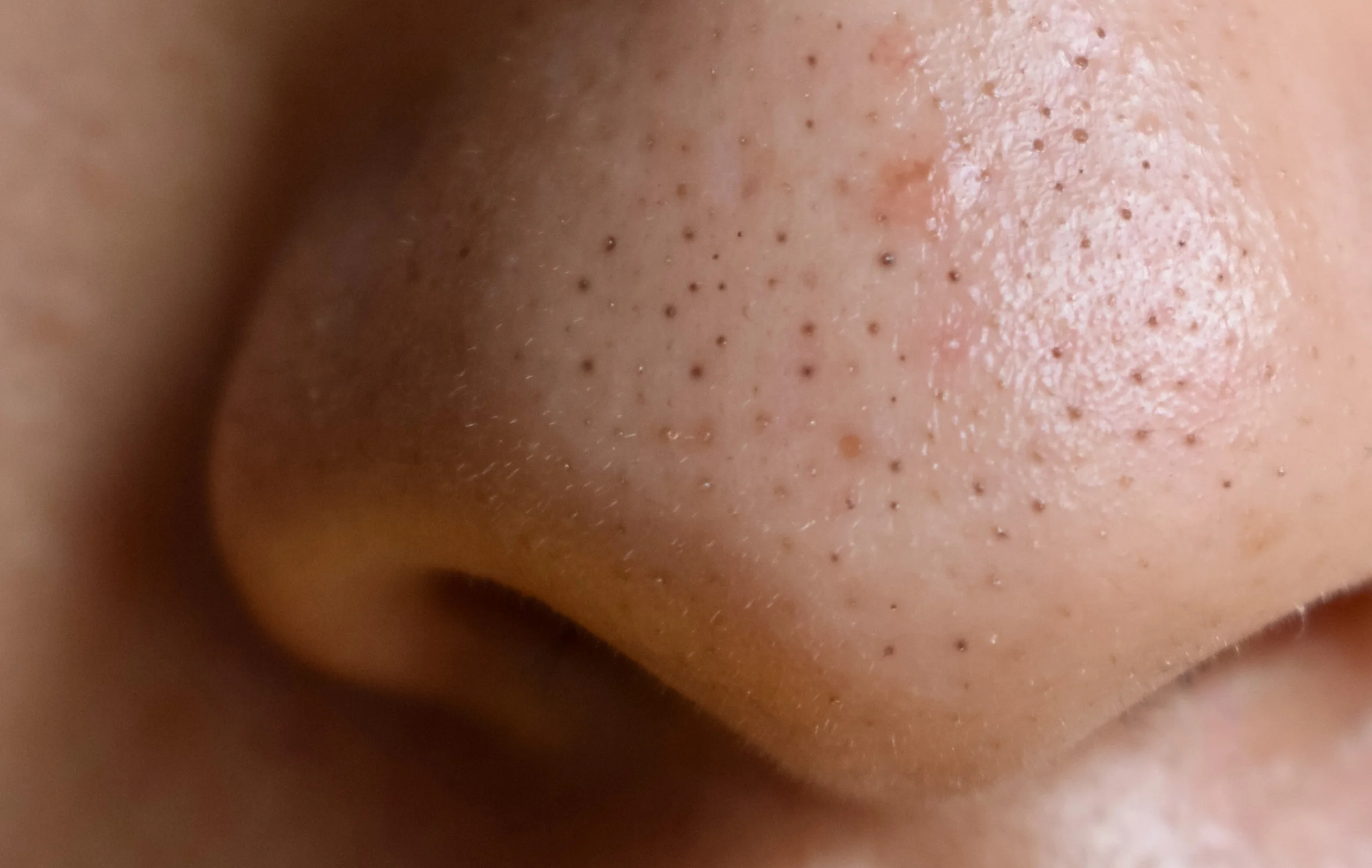
Pimples and acne occur when excess oil, dead skin cells, and bacteria clog the pores. This leads to inflammation, resulting in whiteheads, blackheads, cysts, or nodules. Hormonal changes, stress, diet, pollution, and genetics often worsen acne. Understanding the root cause helps in choosing the right treatment for long-term control.
For milder cases of pimples, you can take non-prescription medications, as seen herein:
This natural acid has the ability to neutralize micro-organisms on the skin.
In their role as vitamin-A derivatives, Retinoids help in the prevention of the clogging of pores, improving the health of your skin.
This medication is available over-the-counter and it should be taken in small doses to treat acne.
It facilitates the dissolution of the dead skin cells, preventing the clogging of your hair follicles and reducing your acne breakouts. It is available as a cleanser or lotion at pharmacy stores.
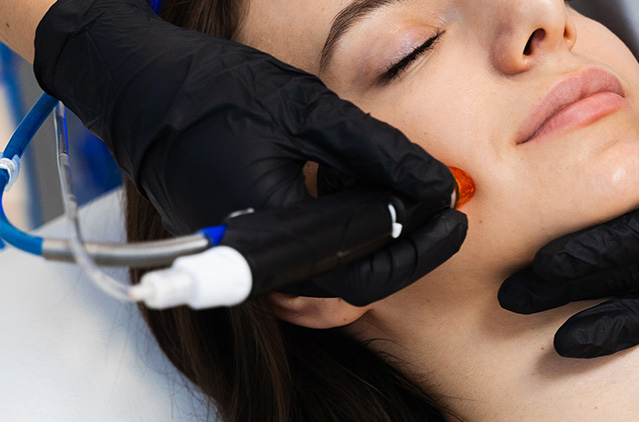
If you do not witness a noticeable improvement in your acne condition after using the aforementioned nonprescription drugs, your dermatologist will suggest advanced, minimally invasive treatments. These include:
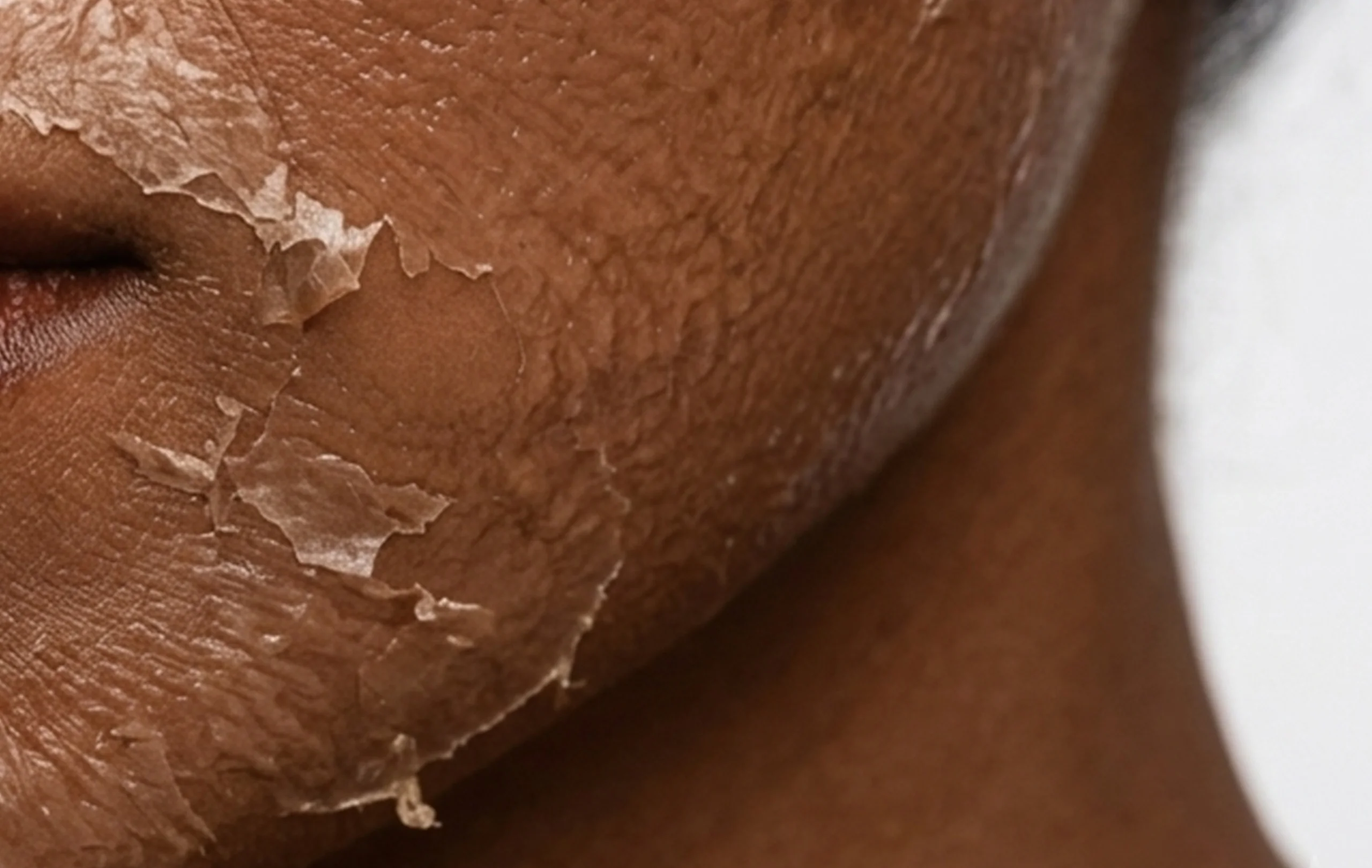
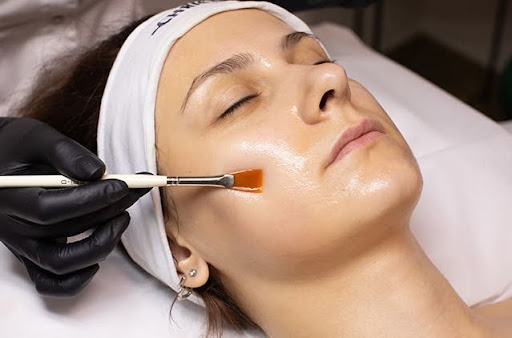
As part of chemical peel treatments, a chemical solution is used to shed the topmost layers of the skin, revealing a clear complexion. There are different levels of chemical peels, including light or superficial peels, medium-level peels, and deep peels. Your dermatologist will determine the best chemical treatment for you, depending on the severity of your acne condition.
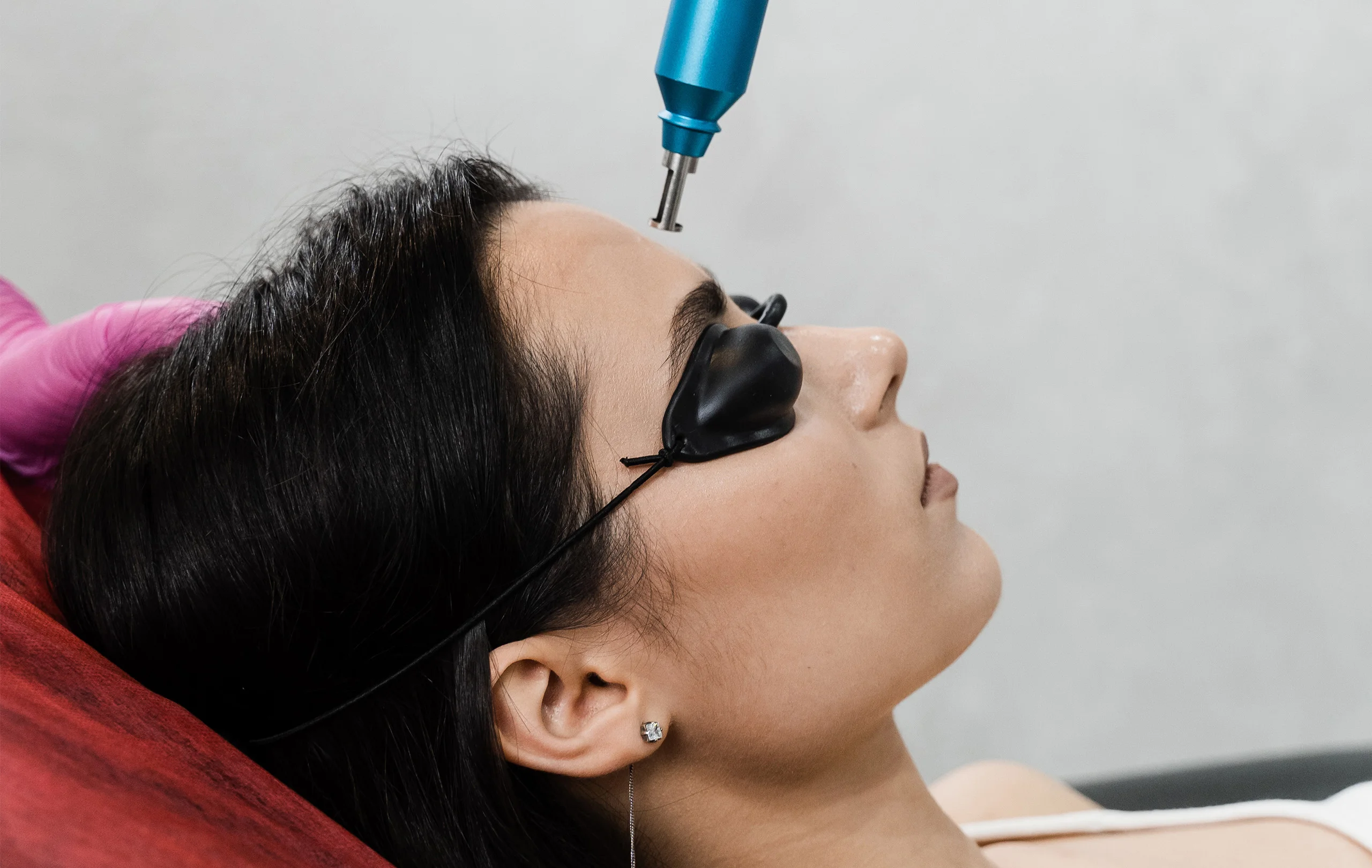
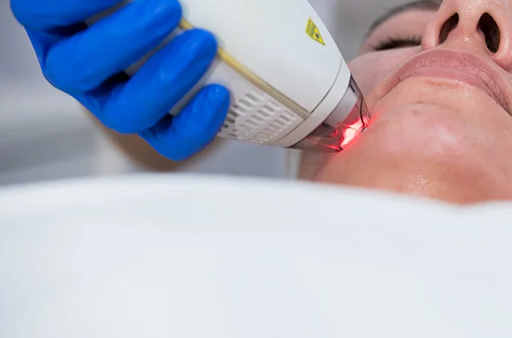
Laser procedures involve directing short, concentrated pulses of laser beams at your pimples. This laser energy helps to control oil production by the sebaceous glands.
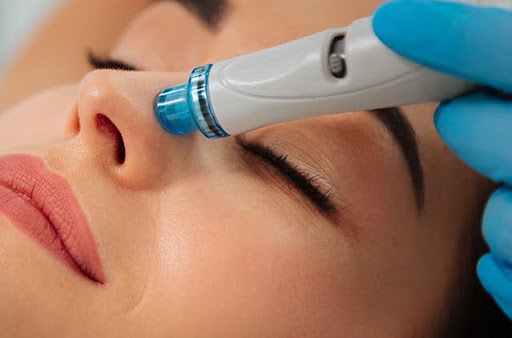
As part of this revolutionary procedure, a minimally abrasive instrument is deployed. It involves the sanding of your skin via gentle motions to scrape off the topmost layers of the skin and unclog the skin pores.
Pimple marks fade with targeted treatments such as chemical peels, microdermabrasion, laser resurfacing, and microneedling. These procedures boost collagen, reduce pigmentation, and smooth uneven texture. Dermatologist-guided treatments show better results than home remedies, especially for dark spots, red marks, or deeper scars.
Follow the given tips as part of your pimple prevention measures:
Earlier it was believed that certain foods triggered the formation of pimples. Researchers perceived that whey protein, high-sugar diets, and skimmed milk contributed to the development of pimples. Nonetheless, they have not been able to establish a link between diets and pimples
Well, there are some vitamins that help to improve the health of your skin. And you may want to consider adding them to your diet to enjoy their goodness.
Kosmoderma offers customized acne solutions using advanced dermatology protocols. The treatments target both active pimples and leftover marks, ensuring clear, healthy skin. With expert dermatologists, evidence-based procedures, and modern technology, patients receive safe, effective, and personalised care
Seek professional help if acne keeps recurring, leaves dark spots or scars, or does not respond to basic skincare. Early consultation prevents long-term damage, speeds up healing, and ensures a smoother, blemish-free complexion.
Acne and pimples are not the same. Remember, acne is a skin condition and pimples are the symptoms of this skin disorder. While some people do not report acne issues during adulthood, others continue to suffer from this skin condition throughout their lives.
Microdermabrasion, chemical peels, and laser treatments are among semi-invasive treatments to manage your acne condition. Consult your dermatologist to determine your skin type and condition, after which they will suggest solo or combined acne treatments that are best suited to you.
When you have large and pus-filled pimples that are painful, it’s time to see your dermatologist for treatment. Additionally, if you have a severe acne breakout, your provider can chart out a suitable treatment plan for you.


India’s 1st NABH Accredited Aesthetic Brand
Terms of Use & Privacy Policy | Disclaimer
@2025 Kosmoderma