Book Your Appointment
It’s not so hard to keep abreast with what’s happening in the world of SELF-CARE. All you need to do is drop email and we will keep dropping the knowledge bomb!
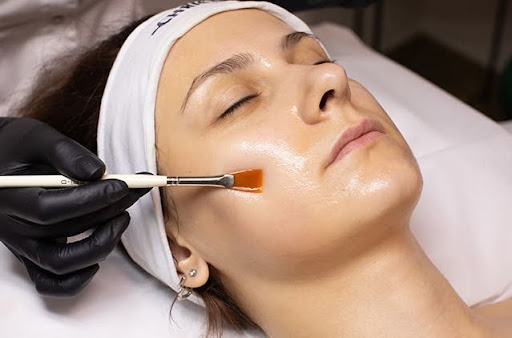
Are you considering chemical peel treatment for your specific skin concerns such as acne, photodamage, dark circles, or pigmentation? Do you want to know about its aftercare measures to ensure the best results? If yes, then you should refer to this guide. Well, if you want the most from chemical peels, it is important to follow all the guidelines of your dermatologist. Certainly, we will also share some tips on how to care for your skin after your chemical peel treatment session herein.
First, let’s learn more about chemical peels and their array of benefits.
Chemical peels help to exfoliate the skin. This treatment uses acids or chemical solutions to shed the skin’s layers, leaving you with a smooth and glowing complexion. Also, chemical peels vary in strength, ranging from mild to severe. Depending on your skin condition, your provider will determine whether light peels, medium peels, and deep peels are suitable for your skin type. However, a detailed skin diagnosis will be conducted first to ascertain if you are a suitable candidate for this procedure.
Chemical peels are a popular skin treatment that exfoliates the skin’s outer layers, promoting healthier, smoother skin.
Key benefits include:
When performed by qualified dermatologists, chemical peels are a safe, minimally invasive treatment with little downtime. Your dermatologist will also provide personalised aftercare instructions to support healing and maximise your results.
Minimize your skin downtime after chemical peel treatment with dermatologist-recommended tips:
1. Cold Water Helps:
Washing your face with cool water has a soothing effect on the skin.
2. Soap-Free Cleansers Are Recommended:
Use soap-free cleansers and ditch the foaming varieties. That’s because the former is gentle on the skin while the latter tends to dry out the skin and strip it of its natural oils. Remember, your skin is sensitive after a peel and it does not need more stripping.
3. Hydration is Key:
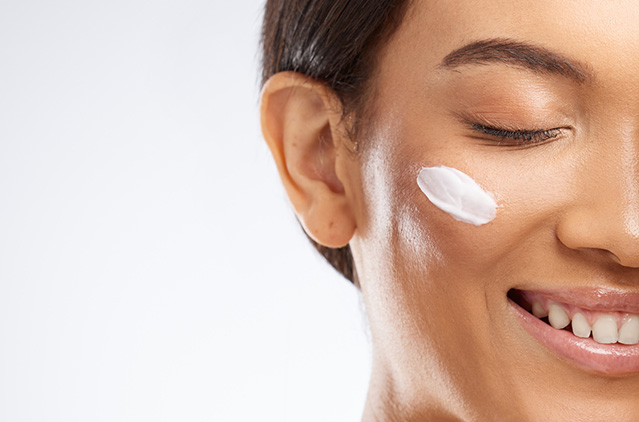
Your skin’s protective barrier gets compromised with chemical peel treatment. A medium-to-thick moisturizer can reinforce the barrier, safeguarding your skin from external irritants.
4. Higher SPF Sunscreen Should Be Your Pick:
Your skin becomes sensitive after chemical peel application. That’s why you must avoid exposing your skin to the sun to prevent damage. Apply a broad-spectrum sunscreen with SPF 30 or more to shield your skin from the sun’s radiation.
5. Follow Your Practitioner’s Advice:
Your dermatologist can help you with the skincare products to use and the ones to avoid after chemical peel treatment. Adhere to their instructions for your optimal recovery.
1. Saunas, steam rooms, and strenuous exercises are a No-No:
Chemical peels boost blood circulation within the body. This can lead to redness, tingling, and itching. Hence, you must avoid activities that cause sweating on treatment day.
2. Over-Exfoliation is Never Advisable:
You should avoid the use of exfoliants for 3 to 4 days after your treatment session. Chemical peels exfoliate your skin sufficiently, reducing the need for further exfoliation. After your skin recovers after a peel, you can go ahead and exfoliate your skin. Your practitioner can also help you on how regularly you can exfoliate your skin to improve its overall health.
3. No Make-Up Rule:
Do not wear makeup for 24 hours post-treatment. Let your skin breathe and recover.
4. Peeling, Prodding, and Picking Are Best Avoided
Never peel, prick, or rub your skin to avoid interfering with the skin’s natural shedding process and preventing scarring or bleeding, promoting your quick recovery.
5. Say No to Retinol Products:
You should stop using retinol products for a week after your chemical peel treatment to prevent cell turnover overload. Wait until your skin heals to resume their use to exploit their cell regenerative properties.
Proper aftercare plays a vital role in achieving the best results from a chemical peel. Avoid these common mistakes to protect your skin while it heals:
By avoiding these common mistakes and following your dermatologist’s advice, you can support faster healing and enjoy smoother, healthier-looking skin.
Feel rejuvenated and achieve your dream skin with Kosmoderma’s Chemical Peel Treatment. Book your free consultation with our skin specialists and learn more about how chemical peels work to make your skin shine.
The ideal frequency depends on your skin concerns, the type of peel, and your skin’s response. Superficial peels may be repeated every 4 to 6 weeks, while medium or deeper peels require longer intervals. At KOSMODERMA, dermatologists create personalised treatment plans to help you achieve safe, long-lasting skin renewal.
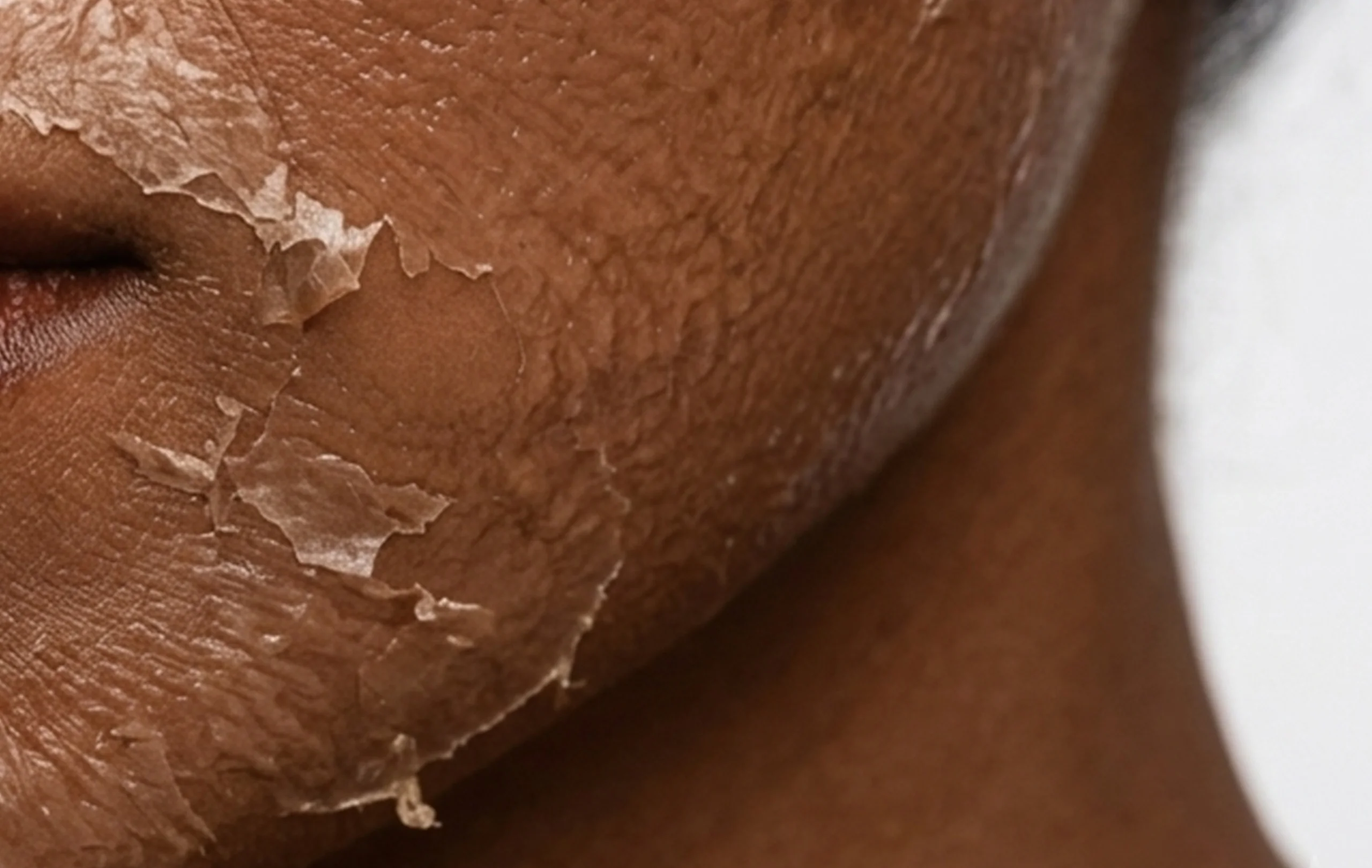
Chemical peels can cause your skin to become red, swollen, and scaly. There’s nothing to worry about because the skin’s healing process is at play. All this subsides within a few days, rewarding you with a flawless complexion.
Your dermatologist will advise the following:
Most people can gradually return to their regular skincare routine within 5 to 7 days, depending on the depth of the peel and how well the skin is healing. Your dermatologist may recommend introducing active ingredients such as retinol or exfoliating acids slowly to avoid irritation.
Mild redness, tightness, and peeling are expected. However, contact your dermatologist if you experience severe pain, increasing redness, pus, excessive swelling, fever, persistent blistering or signs of infection. Early medical attention can help prevent further complications.
The ideal frequency depends on your skin concerns, the type of peel, and your skin’s response. Superficial peels may be repeated every 4 to 6 weeks, while medium or deeper peels require longer intervals. At KOSMODERMA, dermatologists create personalised treatment plans to help you achieve safe, long-lasting skin renewal.
Location



India’s 1st NABH Accredited Aesthetic Brand
Top Services
Skin Specialist
Our Clinics
Top Cosmetologists / Top Plastic Surgeon
Terms of Use & Privacy Policy & Disclaimer
@2025 Kosmoderma