Chemical Peels in Summer: Myths vs Facts for Tan Removal
An important aftercare protocol for chemical peels is avoiding prolonged sun exposure after your treatment session. That’s why it is widely believed that you must not get a chemical peel during the summer months. Nevertheless, do you know that your skin is equipped to handle some roughness? Moreover, a little bit of sun exposure is recommended during the peel recovery period. Only make sure to apply sunscreen and take measures to protect your skin from the sun (wear a hat), which you must do all through the year.
How Does Chemical Peel Remove Tan?
This rejuvenation procedure exfoliates the topmost layers of the skin in a controlled manner. It uses chemical solutions and mild, naturally sourced acids to slough away the dead skin cells. By shedding the skin’s uppermost layers, chemical peels promote the cell regeneration process, revealing a youthful complexion.
Chemical peels are also considered versatile because they help to address various skin concerns. Be it acne, pigmentation, superficial fine lines and wrinkles, and sun-damaged skin, chemical peel treatment helps to treat them all and boost your skin health.
Chemical peels are also recommended for those who want to reduce their sun tan to restore their natural skin glow.
Can You Get a Chemical Peel for Tan Removal During Summer?
No matter what climatic conditions exist (whether hot, humid, or cold), our skin is biologically designed to withstand it all. Now, getting tanned in the summer is normal. So, if you are looking to reduce your tan, you have a range of treatments to choose from. Well, some people may caution you against undergoing chemical peel treatment during summertime. That’s because chemical peels make your skin sensitive. Also, chemical peels after-treatment care mandates patients to avoid prolonged sun exposure. Nonetheless, the skin experts consider it safe to undergo chemical peel treatment during the summer months, although you must take all the required precautionary measures when doing so. This includes applying sun protection to save your skin from radiation effects.
Chemical Peel Procedure for Effective Tan Removal
The procedure is simple and designed to safely exfoliate damaged skin layers for visible results.
- Skin is cleansed to remove oil and impurities
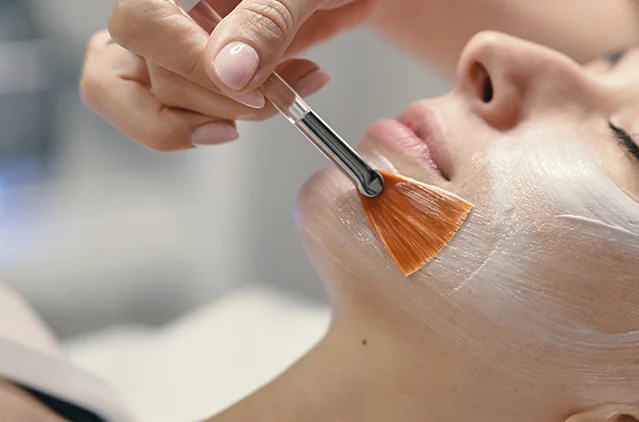
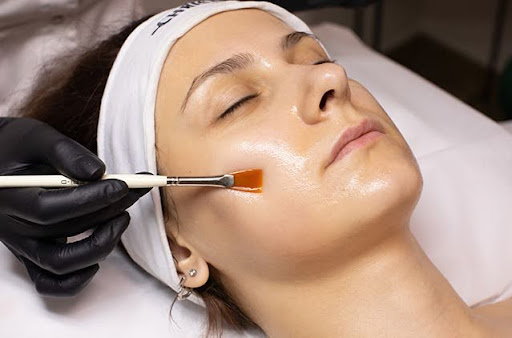
- A chemical solution is applied to exfoliate the skin
- Mild tingling or warmth may be felt
- Skin peels over time, revealing brighter skin
- A session usually lasts under an hour
Following proper pre- and post-care ensures safe healing and optimal tan reduction results.
How to Prepare for a Chemical Peel for Tan Removal
Here are some tips to follow before the chemical peel treatment session:
- The first step involves sharing your skin concerns and treatment goals with your provider.
- You should avoid exposing your skin to the sun and tanning for at least 2 weeks before your appointment.
- Do not apply retinol-based products on your skin for a minimum of 2 weeks before your treatment.
Types of Chemical Peels for Tan Removal
Chemical peels are available in different types, each designed to target varying levels of tanning
and pigmentation.
- Light (Superficial) Peels: Gently exfoliate the top layer, ideal for mild tan
- Medium Peels: Work deeper to treat stubborn pigmentation and uneven tone
- Deep Peels: Target deeper layers for intense tan removal and skin renewal
The right choice depends on your skin type, tan severity, and your dermatologist’s
recommendation.
Why You Should Choose Kosmoderma for Chemical Peel Treatment?
- Our one-to-one consultations with patients help us to assess their treatment goals and study their skin type, enabling us to draft customized treatment plans.
- Our team of board-certified aesthetic professionals comes with more than a decade of experience in modern skincare treatments, assuring you of precise and promising results.
- Our choice of medical-grade, best-quality skincare products shows our unwavering commitment to patient welfare and skincare excellence.
Schedule Your Chemical Peel Treatment at Kosmoderma!
Opt for chemical peels any time of the year to flaunt a radiant, glowing complexion. Talk to our skin experts to know how chemical peel treatment helps to revitalize your skin and start your journey to your ultimate skin transformation.
FAQs