Book Your Appointment
It’s not so hard to keep abreast with what’s happening in the world of SELF-CARE. All you need to do is drop email and we will keep dropping the knowledge bomb!
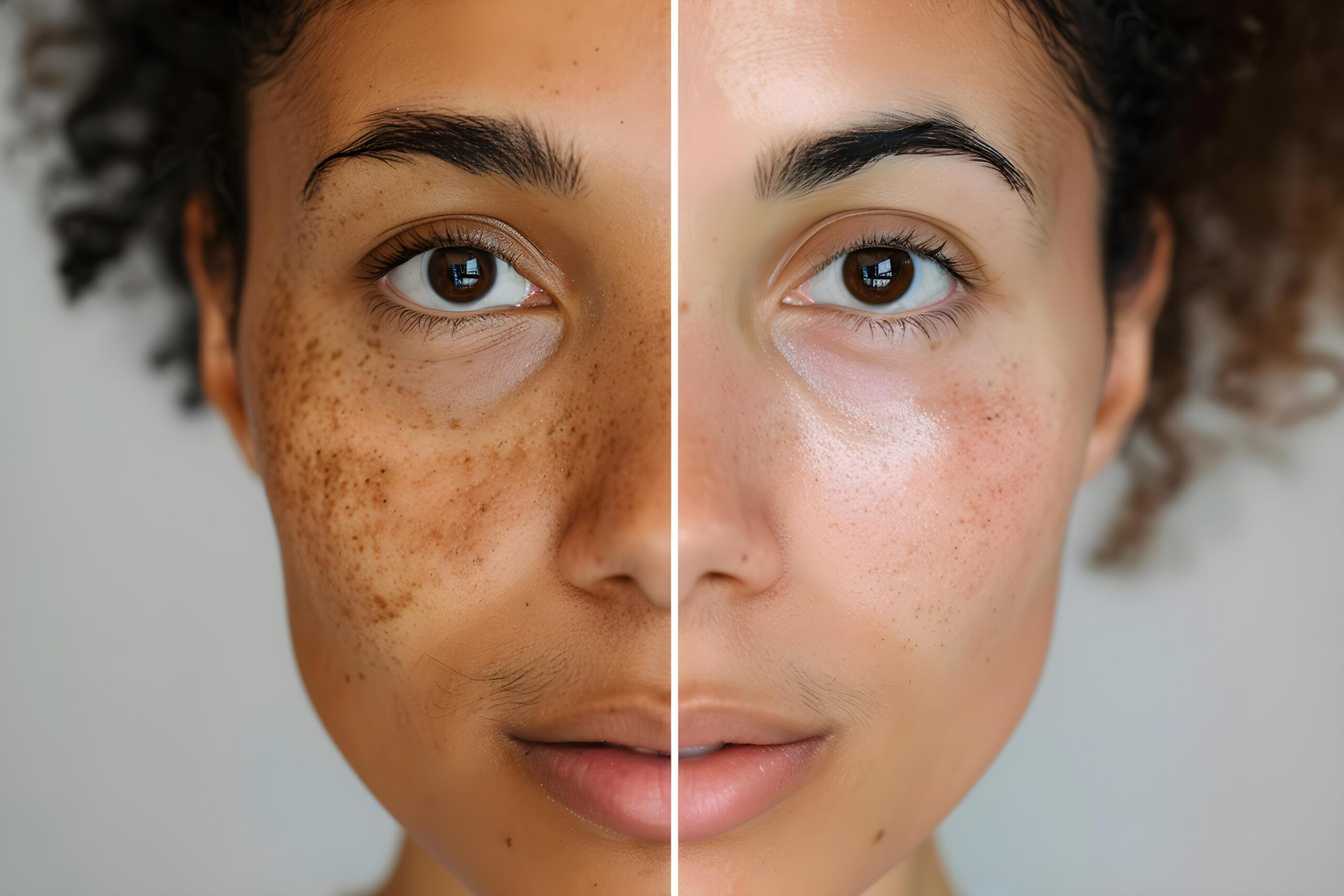
Facial pigmentation can be permanently reduced and in many cases eliminated through a combination of laser therapy, chemical peels, and prescription topicals, supported by daily SPF 50+ application. Clinical evidence from multiple dermatology trials shows that Nd:YAG picosecond laser combined with topical tranexamic acid delivers significant melanin clearance in 4–6 sessions for Indian skin types (Fitzpatrick III–V). However, without ongoing sun protection, pigmentation recurs regardless of treatment
In this post, you’ll discover 7 medically backed pigmentation treatments trusted by dermatologists in India. Whether you’re dealing with melasma, sun spots, or acne marks, this blog explains exactly how to remove pigmentation from face permanently—with science, clarity, and results.
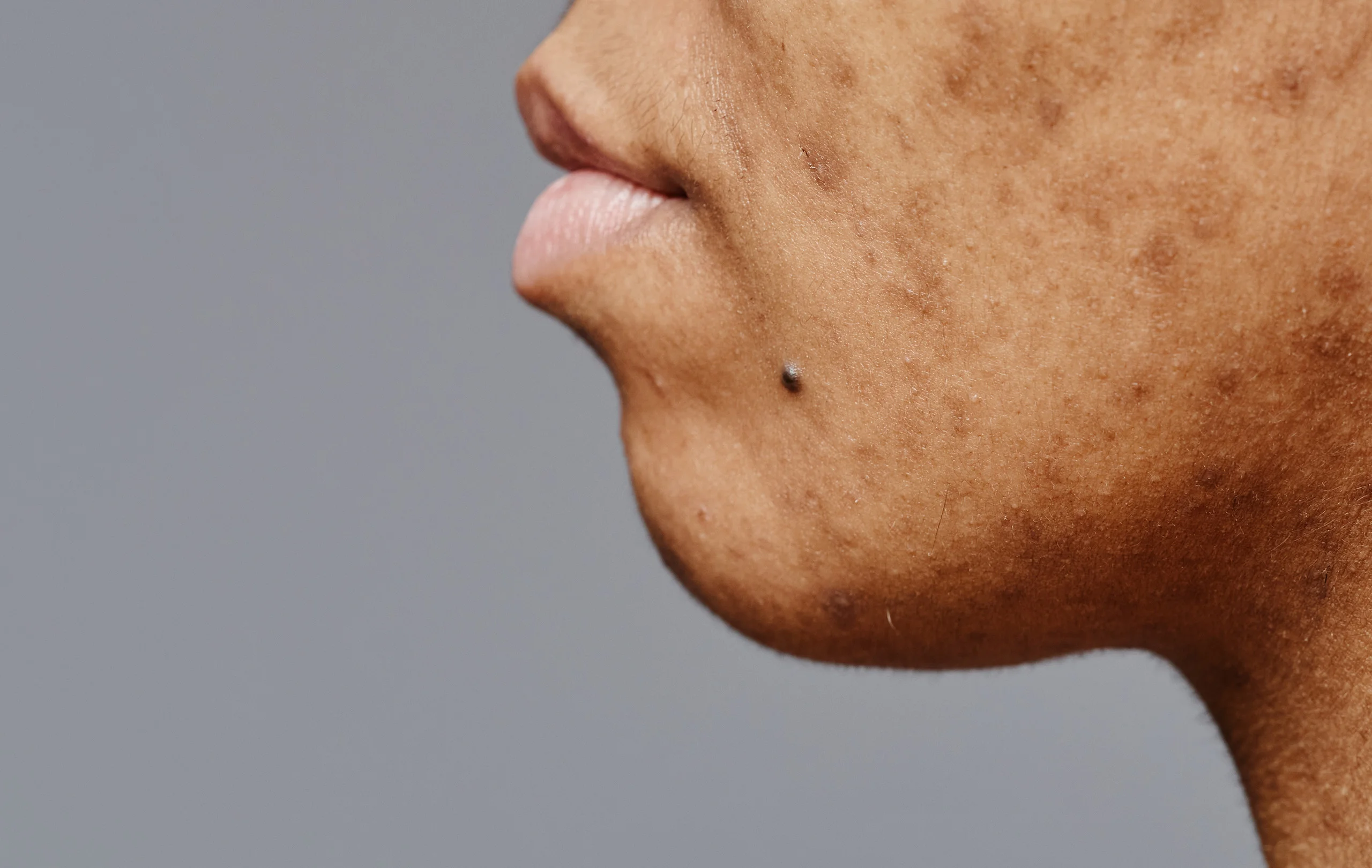
Facial pigmentation is a common skin condition in which certain areas of the skin become darker due to excess melanin production. It may appear as patches, spots, or uneven skin tone on the cheeks, forehead, nose, or upper lip. Common causes include sun exposure, hormonal changes, acne marks, ageing, and skin inflammation. Many people look for ways to permanently remove facial pigmentation when it affects their skin clarity and confidence. Understanding the root cause helps select the right skincare routine or professional treatment for healthier, more even-toned skin.
Before we jump into treatments, it helps to understand what causes pigmentation in the first place.
Pigmentation occurs when excess melanin (the pigment that gives our skin its colour) builds up in certain areas of the skin. This often leads to brown, grey-brown, or reddish patches on the face.
Facial pigmentation can result from sun exposure, acne, ageing, and hormonal changes. Knowing the exact type helps you understand how to remove pigmentation from the face permanently with suitable treatments.
Melasma appears as brown or grey patches, commonly on the cheeks and forehead. Hormonal changes and sun exposure are major causes.
PIH develops after acne, skin irritation, or injury. Dark marks remain on the skin after inflammation heals.
Sun spots result from repeated UV exposure and usually appear on frequently exposed areas of the face.
Age spots are flat brown patches caused by ageing and long-term sun exposure on the skin.
Home remedies can reduce mild, surface-level pigmentation by slowing melanin production but they cannot penetrate the dermis. That means they will not clear deep melasma, old PIH, or sun damage that has settled below the skin’s surface.
| Remedy | What It Does | Best For |
|---|---|---|
| Niacinamide (4–10%) | Blocks melanin transfer to skin cells | All types, all skin tones |
| Vitamin C (10–20%) | Inhibits tyrosinase, brightens sun spots | Sun spots, dull skin |
| Kojic Acid (1%) | Suppresses melanin enzyme activity | Melasma, uneven tone |
| Aloe Vera (aloin) | Reduces inflammation in fresh acne marks | New PIH, sensitive skin |
If you’ve ever tried cream after cream with no lasting results for pigmentation, you’re not alone. Many of our clients at Kosmoderma walk in feeling frustrated, asking, “Is there any treatment that can remove these spots permanently?”
Science says yes but only when diagnosis, treatment, and timing align perfectly.
Facial hyperpigmentation such as melasma and post-inflammatory hyperpigmentation (PIH) is one of the stubborn skin issues to treat. And while no overnight miracle exists, clinical research has helped us understand how to remove pigmentation from the face permanently using the right combination of treatments.
At Kosmoderma, we use this evidence-based approach to customize every pigmentation treatment plan—whether it involves lasers, peels, or advanced topical treatments. Because when science and expertise align, clear skin is not just a dream—it’s a possibility.
Right diagnosis. Right treatment. Right timing. That’s the formula for long-lasting results.
Let’s now explore 7 dermatologist-recommended ways that show exactly how to remove pigmentation from face permanently.
Chemical peels permanently reduce surface pigmentation by exfoliating damaged skin layers, with TCA peels delivering 60–70% MASI score reduction in 4–6 sessions.
At Kosmoderma, we use different peels based on your skin concern:
Most clients need 3–5 sessions for visible results. Post-treatment sun protection is non-negotiable.
Kosmoderma Advantage: We tailor the strength and acid concentration to your skin type and concern.
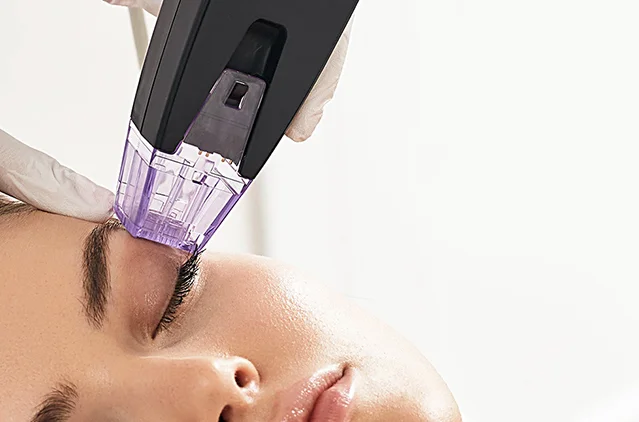
Q-switched Nd:YAG laser toning achieves 50–75% pigment clearance in Indian skin types in 6 sessions, targeting melanin at the dermal level without damaging the skin surface
The light energy penetrates the dermis to shatter melanin clusters, without harming the upper skin layers.
Expert View:“Laser toning is ideal for Indian skin because it works at a cellular level without damaging the surface,” says Dr. Chytra V Anand, Founder – Kosmoderma.
Why it works: It stimulates skin renewal while destroying melanin in deeper layers—something creams can’t reach.
Microneedling Radiofrequency with PRP reduces acne-related pigmentation and uneven skin tone by stimulating collagen production and dispersing melanin clusters across 3–4 sessions.
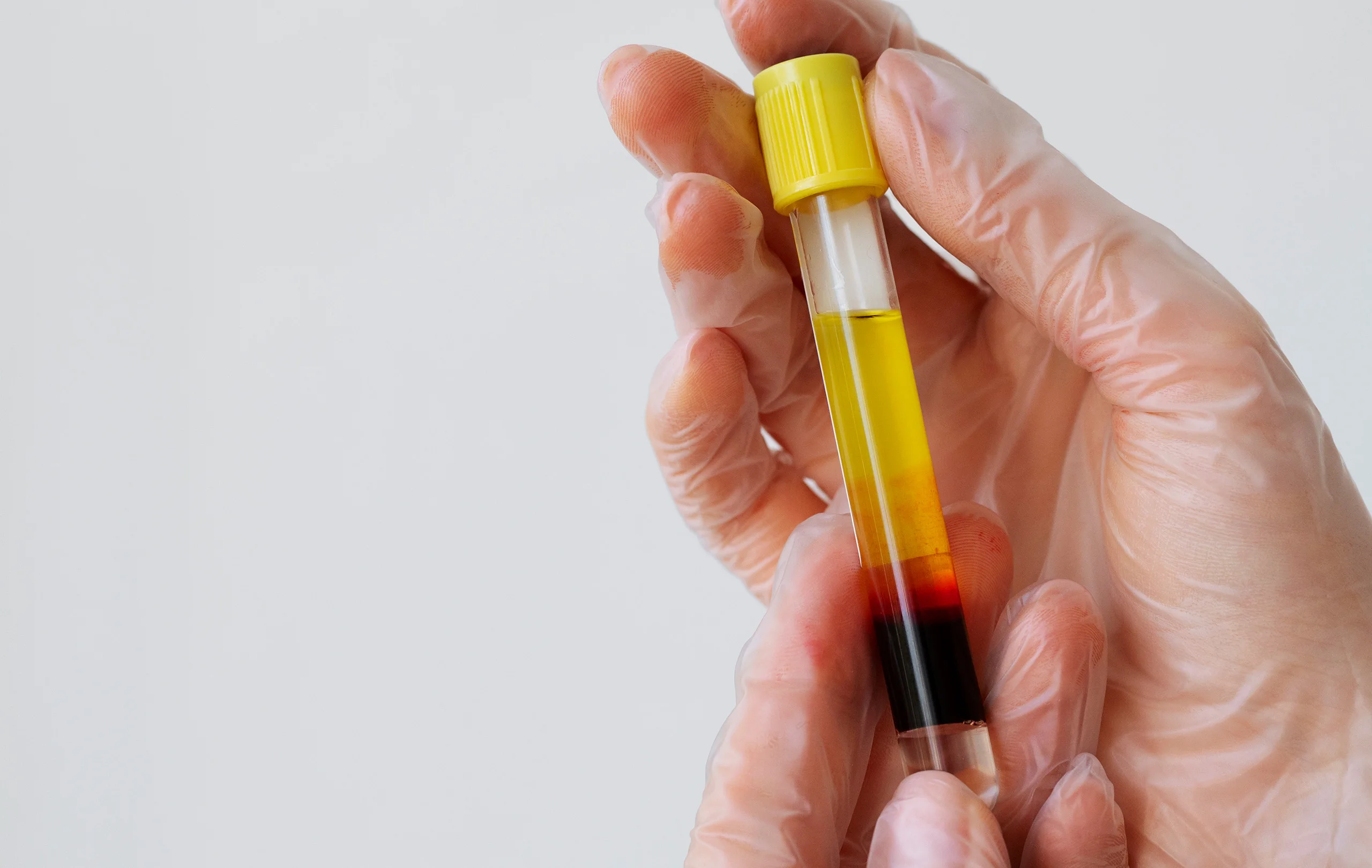
Tiny needles create microchannels in the skin. Your own plasma (PRP) is applied immediately after to accelerate healing and fade pigmentation.
Typically, 3–4 sessions spaced 4–6 weeks apart are recommended for optimal results. Also helps shrink pores, reduce fine lines, and improve skin texture.
Dermatologist-prescribed topicals including hydroquinone 4%, kojic acid, and tretinoin — reduce melanin production by 30–40% in 8 weeks when used under supervision. Kosmoderma dermatologists may recommend:
These must only be used under a dermatologist’s supervision. Effects are usually visible in 6–8 weeks with regular use.
IPL Photofacial works best for surface pigmentation on fair to medium skin tones.
It uses broad-spectrum light pulses to break apart pigment clusters and stimulate skin regeneration.
Benefits include
Usually done in 4–6 sessions and not recommended for darker skin tones without proper settings.
Best for light pigmentation, dull skin, and uneven texture, microdermabrasion gently exfoliates to reveal a brighter, smoother complexion.
It uses a diamond-tip or crystal-based tool to exfoliate dead skin cells from the top layer.
A great option for beginners or as a skin maintenance add-on.
Dermal fillers are suitable for depressed acne scars with post-inflammatory hyperpigmentation (PIH).
Here’s how it works:
Results are immediate but temporary (6–12 months) and must be done only by trained aesthetic dermatologists.
Indian skin (Fitzpatrick types III–V) produces more melanin and is more prone to post-inflammatory hyperpigmentation (PIH) after aggressive treatments. This means standard protocols designed for lighter skin tones can worsen pigmentation rather than fix it.
What this means for treatment selection:
Always confirm your dermatologist is adjusting settings specifically for your Fitzpatrick type before any laser or peel procedure.
Here’s a simple guide to help you decide:
| Skin Concern | Suggested Treatments |
|---|---|
| Melasma | Laser Toning + Peels + Maintenance Creams |
| PIH (acne scars) | Microneedling + PRP + Retinoids |
| Age Spots / Freckles | IPL + Brightening Serums |
| Pigmented Scars | Dermal Fillers + Laser Combo |
| All-over dullness | Microdermabrasion + Mild Peel |
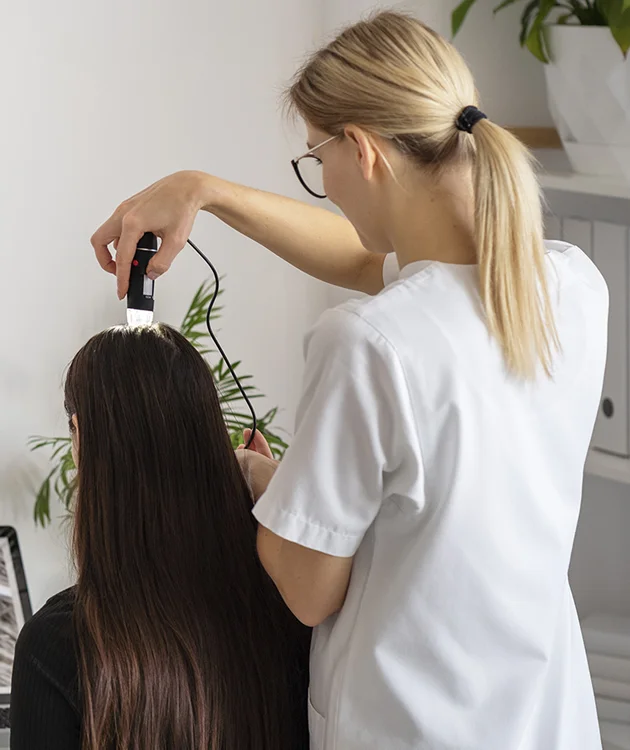
Still confused? Your dermatologist will assess your skin under a Wood’s Lamp or digital scanner to map out the exact type and depth of your pigmentation before suggesting a plan.
Home remedies and over-the-counter products may help reduce mild pigmentation, but deeper pigmentation often requires professional care. People searching for how to permanently remove facial pigmentation from the face usually achieve better results with dermatologist-recommended treatments such as chemical peels, laser procedures, and medical skincare. Professional treatments target the underlying cause more effectively and are customised according to the skin type and severity of pigmentation.
You can spend time and money treating pigmentation, but if you don’t protect your skin afterward, it will come back.
Here’s how to prevent recurrence:
Pro Tip: Pigmentation takes time to fade but seconds to return if triggered again. Preventive care is just as crucial as the treatment itself
Yes. With the right treatment plan, pigmentation can be cleared permanently—but only if you follow preventive care afterward.
It depends on the treatment and severity, but most clients see visible results in 3–6 sessions.
Not if you use sunscreen daily and follow maintenance protocols. Pigmentation returns mostly due to sun exposure or hormonal triggers.
Home ingredients like niacinamide (4–10%), kojic acid (1%), and stabilised Vitamin C (10–20%) can reduce mild surface pigmentation in 8–12 weeks. They cannot treat deep melasma or old PIH. Long-term results require daily SPF 50+ regardless of which method you use.
Q-switched Nd:YAG laser toning combined with topical tranexamic acid is the safest and most effective protocol for Indian skin (Fitzpatrick III–V). IPL is not recommended for darker skin tones due to PIH risk.
Most clinical treatments laser, chemical peels, hydroquinone are not recommended during pregnancy. Safe alternatives include topical niacinamide, azelaic acid (up to 20%), and aloe vera. Always consult your dermatologist before starting any treatment during pregnancy.
Not necessarily. Some clinics offer packages that are all-inclusive, while others will charge for implants, garments, or consumables separately. It is always best to ask for a breakdown of the costs before you book.
At least two – the first consultation will give you an idea of the options for treatment, and the second consultation will confirm the costs and procedures for recovery and aftercare support.
Not necessarily. A cheaper clinic may be passing on limited technology, unseasoned staff, or not mentioning their exclusions in the initial quote. It is important to always check the surgeon’s expertise, the clinic’s safety protocols, and the results of previous before and afters when making your decision.
Location


India’s 1st NABH Accredited Aesthetic Brand
Top Services
Skin Specialist
Our Clinics
Top Cosmetologists / Top Plastic Surgeon
Terms of Use & Privacy Policy & Disclaimer
@2025 Kosmoderma