Book Your Appointment
It’s not so hard to keep abreast with what’s happening in the world of SELF-CARE. All you need to do is drop email and we will keep dropping the knowledge bomb!
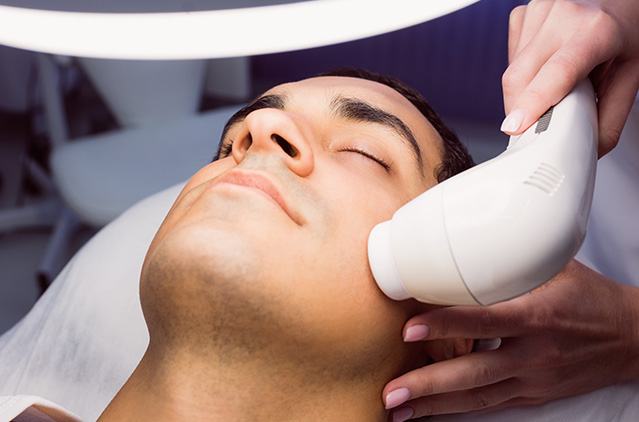
Laser hair removal on the face is safe for most patients if a trained clinician matches the laser to your skin and hair, follows pre-/post-care, and monitors side effects. This guide explains how it works, who’s a good candidate, risks to watch for, and practical aftercare steps.
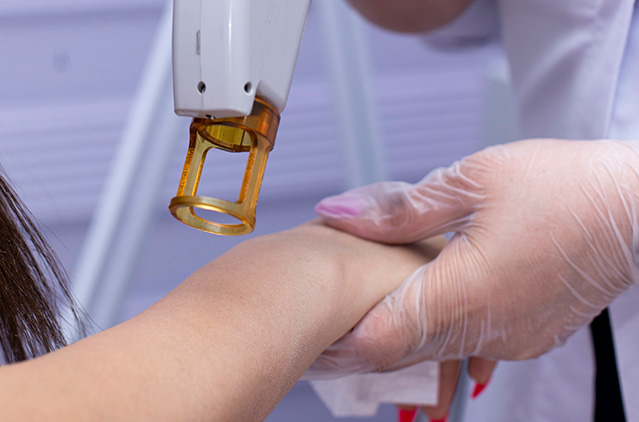
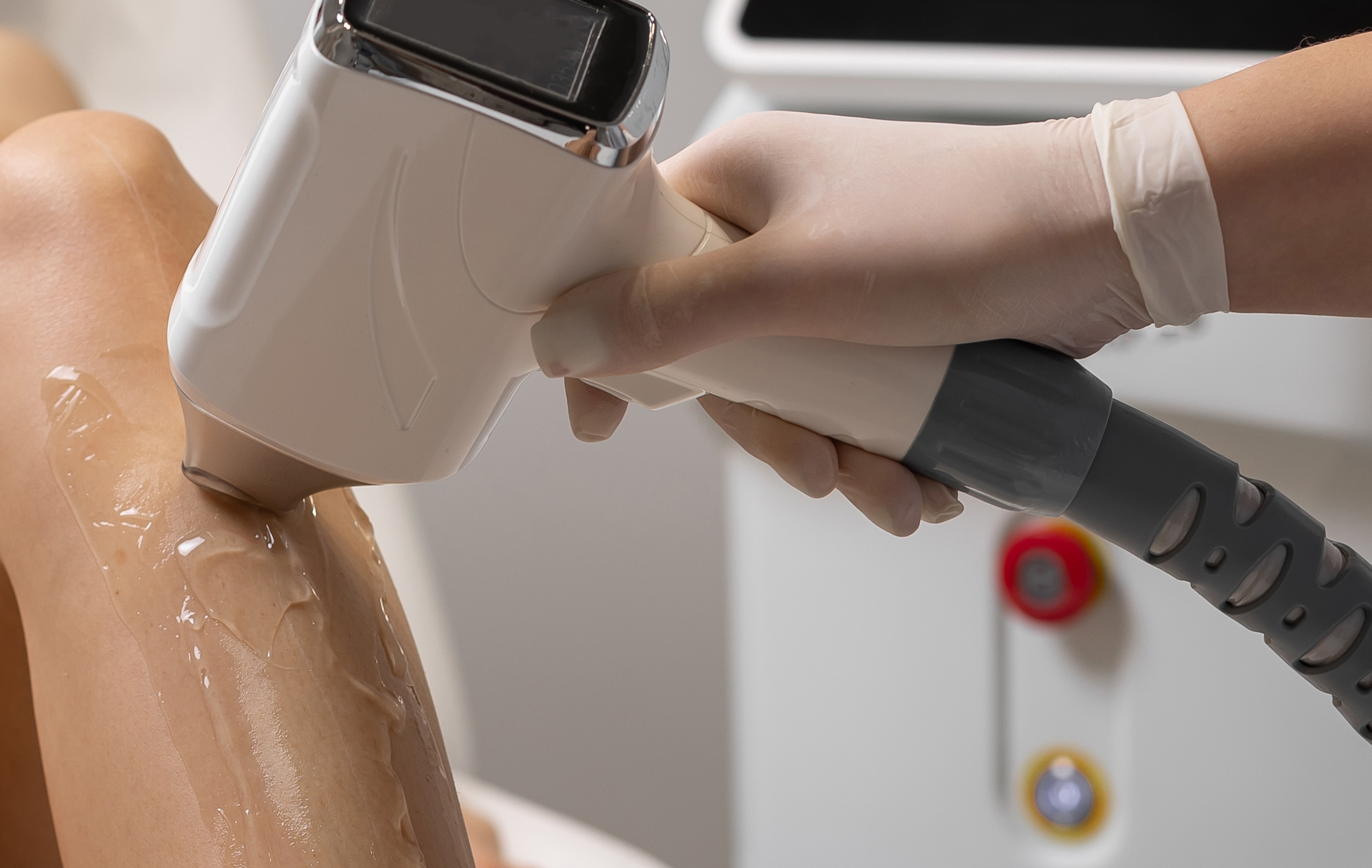
Lasers target hair pigment (melanin) to damage the hair follicle and reduce future growth. Devices use different wavelengths to reach follicles while protecting skin. This is why many people ask, is laser hair removal safe for the face, When done with the right laser and settings, it is considered safe. Short, repeated sessions give the best results.
Simple steps during treatment:
People with darker hair and lighter skin historically see the best results, but modern lasers treat a wider range of skin tones safely—if chosen correctly. Discuss your skin type and medical history with the clinic.
Notes for Indian skin:
Facial laser hair removal can be conducted safely on most parts of the face by qualified professionals using suitable laser equipment. Different facial parts require customised settings based on the sensitivity of the skin, thickness of the hair, and its growth.
Some of the commonly treated facial areas include:
Upper Lip: One of the most popular treatment areas, that reduces hair growth, thereby eliminating regular waxing and threading.
Chin: Best for treating coarse or hormonal hair growth among people suffering from PCOS.
Jaw Line: Effective in treating hair growth and improving skin texture through reduction of ingrown hair.
Cheeks: Reduction of fine and dark hair in the cheeks improves the smoothness of the skin and makes application of makeup easier.
Sideburns: Treatment of sideburns helps in defining one’s facial contour and minimizing unwanted hair in that area.
Neck: Suitable for both men and women who have unwanted hair below the jawline.
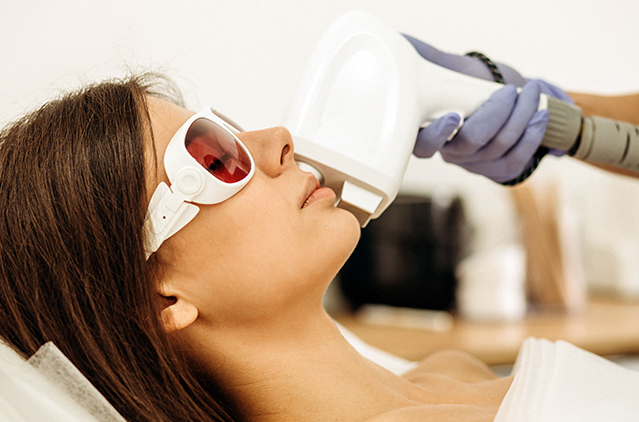
The area around the eyes is not treated because laser exposure can damage the eyes. During every session, protective eyewear is provided to ensure your safety.
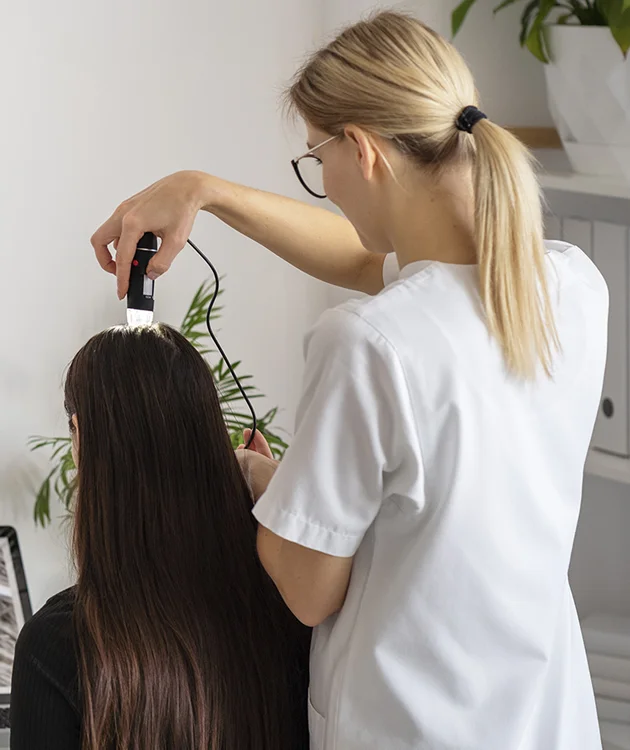
Before starting treatment, an assessment by a qualified dermatologist or laser specialist determines your skin type, hair colour, and medical history to determine whether facial laser hair removal is appropriate and to select the safest laser settings for optimal results.
Most side effects are temporary—redness, swelling, and small crusts. Pigment changes and, rarely, paradoxical increased hair (paradoxical hypertrichosis) can occur. Choose a clinic that explains these risks and shows audited results.
Myth check: There is no solid evidence that professional laser hair removal causes cancer. Regulatory bodies and cancer information services confirm lasers used in clinics are non-ionizing and considered safe when used correctly.
The safest and most effective laser depends on your skin tone and hair type. Nd: YAG (1064 nm) and modern diode systems are commonly used safely on darker Indian skin when operated by trained staff.
Quick guide:
Kosmoderma note: Kosmoderma uses platform systems (Soprano family, including Titanium) and multiple wavelengths to match skin types and areas. Always confirm device choice during your consult.
Proper prep and aftercare reduce complications and improve results. Follow clinic instructions tightly.
Expect multiple sessions (commonly 4–8) spaced weeks apart. Most patients achieve significant long-term hair reduction, though maintenance sessions may be needed. Results vary by hair type and hormones.
If you have hormonal hair (PCOS, thyroid), discuss medical evaluation and combined therapy (laser + medical treatment) for better outcomes.
When selecting a laser clinic, it is advisable to select clinics that have competent and qualified medical professionals, patch-testing protocols, and before/after photos with patient testimonials highlighting their results (case studies). This is especially important if you are wondering is laser hair removal safe for the face, as facial skin is more sensitive and requires expert handling. Ask to see verification of the specific laser models used by the clinic, along with audited safety studies.
Book online or call your nearest Kosmoderma clinic for a face-safe assessment.
Most patients will experience mild to moderate levels of discomfort; this discomfort can be reduced with the use of cooling features and topical anaesthetics.
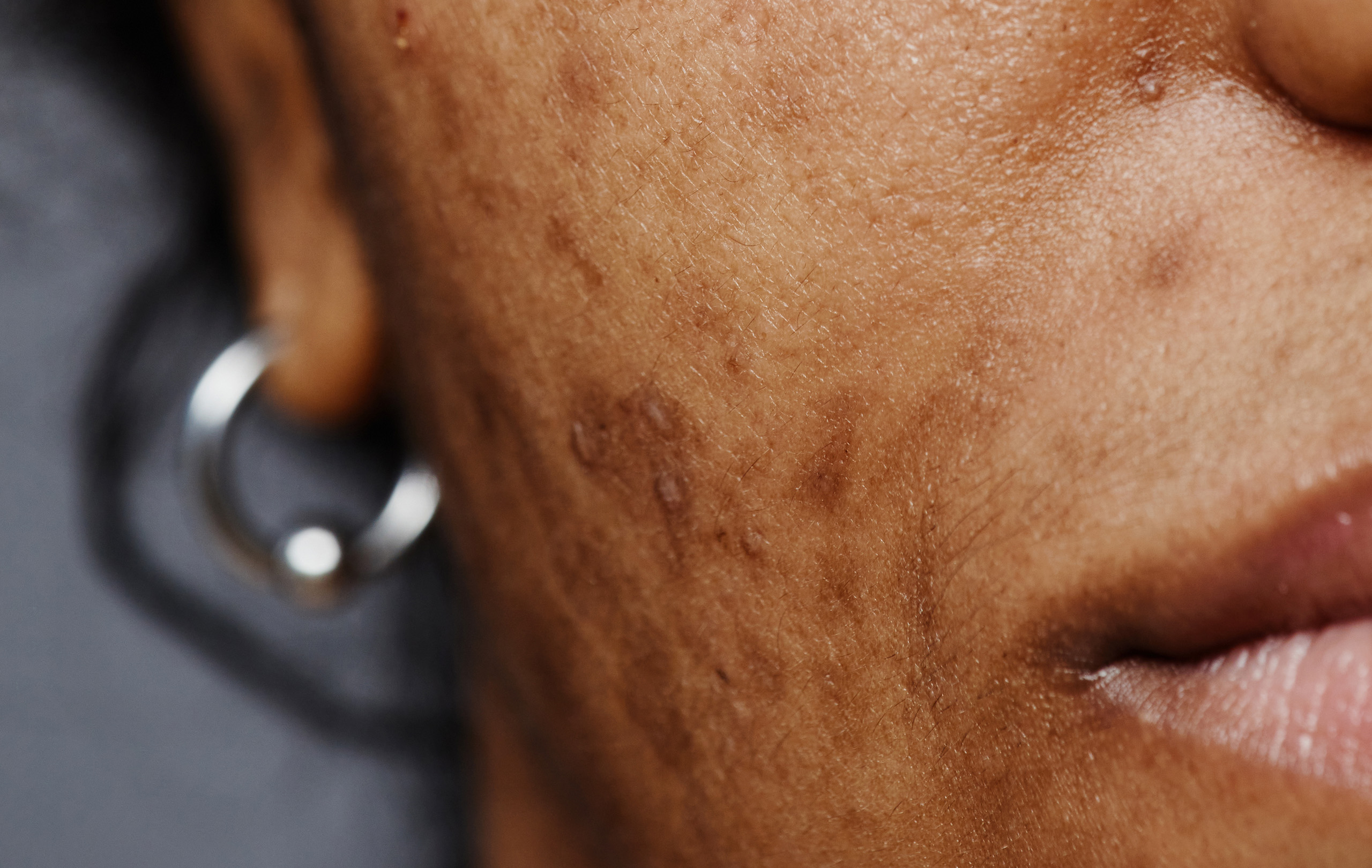
Yes, temporary pigment changes may result; they are typically associated with recent sun exposure or inadvertent treatment with improper laser settings. Careful selection of a laser to avoid these problems, plus avoiding sun exposure (sun avoidance), will minimize your chances of experiencing these temporary pigment changes.
No — eyebrows and areas close to the eye need extreme caution. Only experienced clinicians should treat the near eyelids with correct eye shields
It gives long-term hair reduction, not guaranteed permanent removal for everyone. Maintenance sessions or combined medical therapy may be needed.
An average of four to eight treatments is needed at intervals of four to six weeks for noticeable results. This varies depending on different factors like hair density, skin type, hormones, and the body part. Follow-up sessions can also be advised annually or twice annually.
Not necessarily. Some clinics offer packages that are all-inclusive, while others will charge for implants, garments, or consumables separately. It is always best to ask for a breakdown of the costs before you book.
At least two – the first consultation will give you an idea of the options for treatment, and the second consultation will confirm the costs and procedures for recovery and aftercare support.
Not necessarily. A cheaper clinic may be passing on limited technology, unseasoned staff, or not mentioning their exclusions in the initial quote. It is important to always check the surgeon’s expertise, the clinic’s safety protocols, and the results of previous before and afters when making your decision.
Kosmoderma is proudly powered by WordPress

India’s 1st NABH Accredited Aesthetic Brand
Terms of Use & Privacy Policy | Disclaimer
@2025 Kosmoderma