Book Your Appointment
It’s not so hard to keep abreast with what’s happening in the world of SELF-CARE. All you need to do is drop email and we will keep dropping the knowledge bomb!
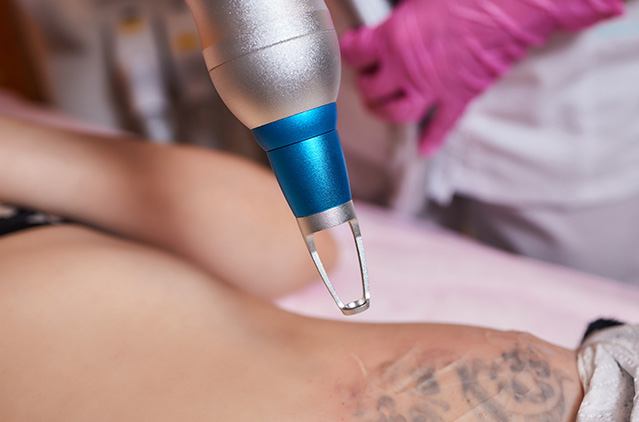
Laser tattoo removal side effects are usually mild and short-lived. Redness, swelling, blistering, scabs, and temporary pigment changes are common. Serious problems like infection, scarring, or permanent pigment loss are rare when a trained doctor treats you.
These are the side effects most people see right after a Laser Tattoo Removal treatment.
Most long-term problems are rare. Still, know what to watch for.
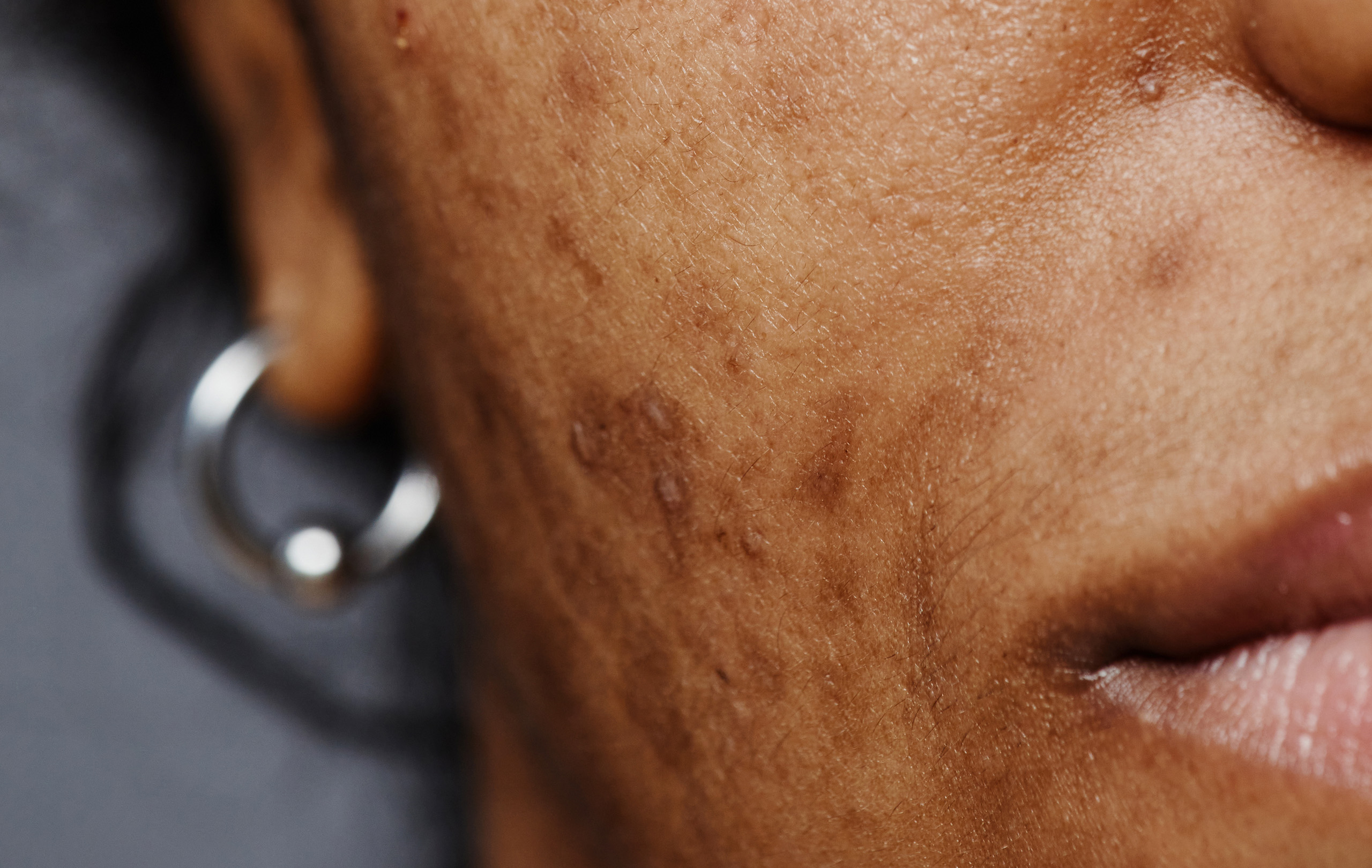
Hyperpigmentation (dark spots) or hypopigmentation (light spots). These can happen after treatment. Many fade in 6–12 months. Darker skin tones have a higher risk of pigment change and need careful laser choice.
Scarring and textural change. Uncommon with proper technique, but possible if the skin is damaged or infected. Permanent scarring is rare but can occur.
Allergic reactions and paradoxical darkening. Rare allergic flares to ink or unexpected darkening of some colours can happen. These need medical care.
Simple wound care and sun protection cut risk and speed healing.
Contact your clinic if signs point to infection or severe reaction.
Call if you see: increasing redness beyond 48 hours, spreading warmth, heavy pus, rising fever, severe pain that gets worse, or large open wounds. These may signal infection or a serious complication and need prompt treatment.
Good prep reduces side effects.
Some pigment problems improve over time; others may require professional pigmentation treatment.
Hyperpigmentation often fades in months. Doctors may use topical bleaching creams if needed.
Hypopigmentation is harder to treat. Light-based therapies or time may help, but full colour return is not guaranteed. Avoid aggressive retreatment if the skin has lost pigment.
Laser tattoo removal side effects are common but mostly manageable. Proper aftercare and a skilled provider cut risks. If you’re thinking about removal, book a skin assessment. At Kosmoderma, our doctors check your skin tone, tattoo type, and medical history. We explain likely side effects and give a tailored aftercare plan so you get safe, steady results.
Mild redness and swelling clear in days. Scabs and peeling take 1–3 weeks. Pigment changes can take months to settle.
Most people do not get scars when treated by an experienced doctor. But scarring can happen, especially if the wound gets infected or is treated too aggressively.
Protect from the sun and follow your doctor’s plan. Some topical creams and procedures help, but results vary.

Not necessarily. Some clinics offer packages that are all-inclusive, while others will charge for implants, garments, or consumables separately. It is always best to ask for a breakdown of the costs before you book.
At least two – the first consultation will give you an idea of the options for treatment, and the second consultation will confirm the costs and procedures for recovery and aftercare support.
Not necessarily. A cheaper clinic may be passing on limited technology, unseasoned staff, or not mentioning their exclusions in the initial quote. It is important to always check the surgeon’s expertise, the clinic’s safety protocols, and the results of previous before and afters when making your decision.
Location


India’s 1st NABH Accredited Aesthetic Brand
Top Services
Skin Specialist
Our Clinics
Top Cosmetologists / Top Plastic Surgeon
Terms of Use & Privacy Policy | Disclaimer
@2025 Kosmoderma