Book Your Appointment
It’s not so hard to keep abreast with what’s happening in the world of SELF-CARE. All you need to do is drop email and we will keep dropping the knowledge bomb!
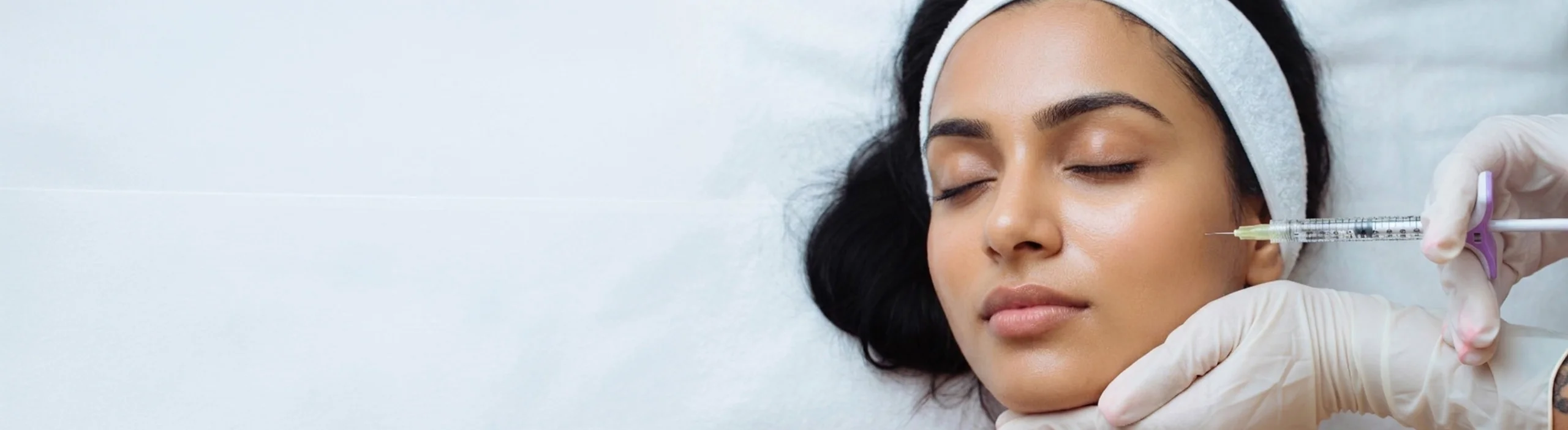
Skin biopsy is a medical procedure that helps diagnose skin problems such as unusual skin growths, rashes, infections, and skin cancer. A skin biopsy allows a dermatologist to accurately diagnose and treat your skin problems.
Not all skin problems can be diagnosed based on the symptoms and the way they appear on the skin. Some skin problems need more detailed investigation and analysis. A skin biopsy is a simple medical procedure in dermatology where a small portion of the skin is extracted and then examined to determine the actual cause of the skin problem.
A skin biopsy is highly recommended by dermatologists when they need to accurately diagnose your skin problems such as unusual skin growths, unusual moles, rashes, infections, and cancer. The medical procedure is simple and safe and only requires a visit to the clinic.
A Skin Biopsy Can Help You Get the Exact Diagnosis.
Skin problems can appear in the same way but be caused by totally different underlying problems. A skin biopsy helps dermatologists accurately diagnose your skin problems.
Do you have the following symptoms?
If you have experienced any of these symptoms, a biopsy can be conducted by a dermatologist to clearly understand your condition.
4.9
The skin biopsy is a simple process that can be completed in a short period.
Step 1: Skin Examination: The skin problem is examined by the dermatologist, and he or she determines whether a biopsy is required.
Step 2: Numbing the Area :The area is cleaned with an antiseptic solution, and a local anaesthetic injection is administered to numb the area.
Step 3: Removing the Skin Sample :The skin is removed using the appropriate method.
Step 4: Wound Care :The bleeding is stopped, and the area may be covered with a bandage.
Step 5: Laboratory Analysis : The removed skin is sent to a lab, where a dermatopathologist examines the skin under a microscope.
Step 6: Diagnosis and Results : Once the results are ready, the dermatologist examines the results and advises the patient on the next course of action.








Kosmoderma Skin, Hair & Body Clinics
Legacy of Trust
Over 20 years of excellence in advanced dermatology and aesthetic care.
Expert Care
Treatments led by MD-Certified Dermatologists with global training and experience.
Circle of Trust
All procedures use US-FDA-approved and Clinically Proven Technology for your safety.
The skin biopsy is a medical process that helps a dermatologist identify many skin disorders that cannot be diagnosed by simply looking at the skin.
Benefits:
Early diagnosis can lead to quicker and more effective treatment.
Taking care of a wound can help your skin heal faster from a biopsy.
Your dermatologist may instruct you to:
Most biopsy sites can heal in a few days or a few weeks, depending on the biopsy performed.

A skin biopsy is usually well tolerated because the area is numbed with a local anesthetic. Most patients feel only slight pressure during the procedure and mild soreness afterwards.
Not really. A numbing cream is applied before the procedure to make it comfortable.
A dermatologist may recommend a skin biopsy to evaluate suspicious moles, persistent rashes, non-healing wounds, unusual skin growths, or suspected skin cancer.
Results are generally available within a few days to two weeks, depending on the laboratory analysis. Your dermatologist will explain the findings and discuss the next steps.
A small scar may remain after a skin biopsy, but it is usually minimal. Proper wound care and following your dermatologist’s instructions can help reduce scarring.
Keep the biopsy site clean, follow the recommended wound care instructions, and avoid scratching or disturbing the area until it has healed completely.
A skin biopsy helps diagnose conditions such as skin cancer, chronic rashes, psoriasis, eczema, infections, autoimmune skin disorders, and other unexplained skin lesions.
Depending on your condition, your dermatologist may perform a shave, punch, snip, curette, incisional, or excisional biopsy to obtain the most accurate diagnosis.
Yes. A skin biopsy is a safe and commonly performed dermatology procedure with a low risk of complications when carried out by an experienced dermatologist.
Yes. A skin biopsy is the most reliable way to confirm or rule out skin cancer by examining the tissue sample under a microscope.
Location



India’s 1st NABH Accredited Aesthetic Brand
Top Services
Skin Specialist
Our Clinics
Top Cosmetologists / Top Plastic Surgeon
Terms of Use & Privacy Policy | Disclaimer
@2025 Kosmoderma