Book Your Appointment
It’s not so hard to keep abreast with what’s happening in the world of SELF-CARE. All you need to do is drop email and we will keep dropping the knowledge bomb!

If you’ve ever Googled “anti-aging treatments” and found yourself overwhelmed, not just by the options, but by the wildly varying price tags, you’re not alone. One clinic quotes ₹3,000 for a session; another quotes ₹30,000 for what sounds like the same thing. So what’s actually going on?
The truth is, the cost of anti-aging treatment isn’t a single number. It’s shaped by a combination of factors that most people don’t think about until they’re already sitting in a consultation chair. At Kosmoderma Skin, Hair, and Body Clinics, we believe informed patients make better decisions, so let’s break it all down plainly and honestly.
Before anything else, it’s worth saying this: anti-aging isn’t one-size-fits-all. A 35-year-old dealing with early fine lines has very different needs from a 52-year-old managing deep folds, volume loss, and uneven skin tone. Your skin’s unique concerns directly determine which treatments are recommended, and that’s the first thing that influences cost.
The more complex or multi-layered the concern, the more likely it is that a combination approach will be suggested. Combination treatments, while more effective, do naturally add up.
Think of it this way: you wouldn’t expect a haircut and a hair transplant to cost the same. The same logic applies here. Anti-aging covers everything from a quick 20-minute peel to a multi-step injectable session, and the gap in price reflects the gap in what’s actually being done to your skin. Here’s a rough lay of the land:
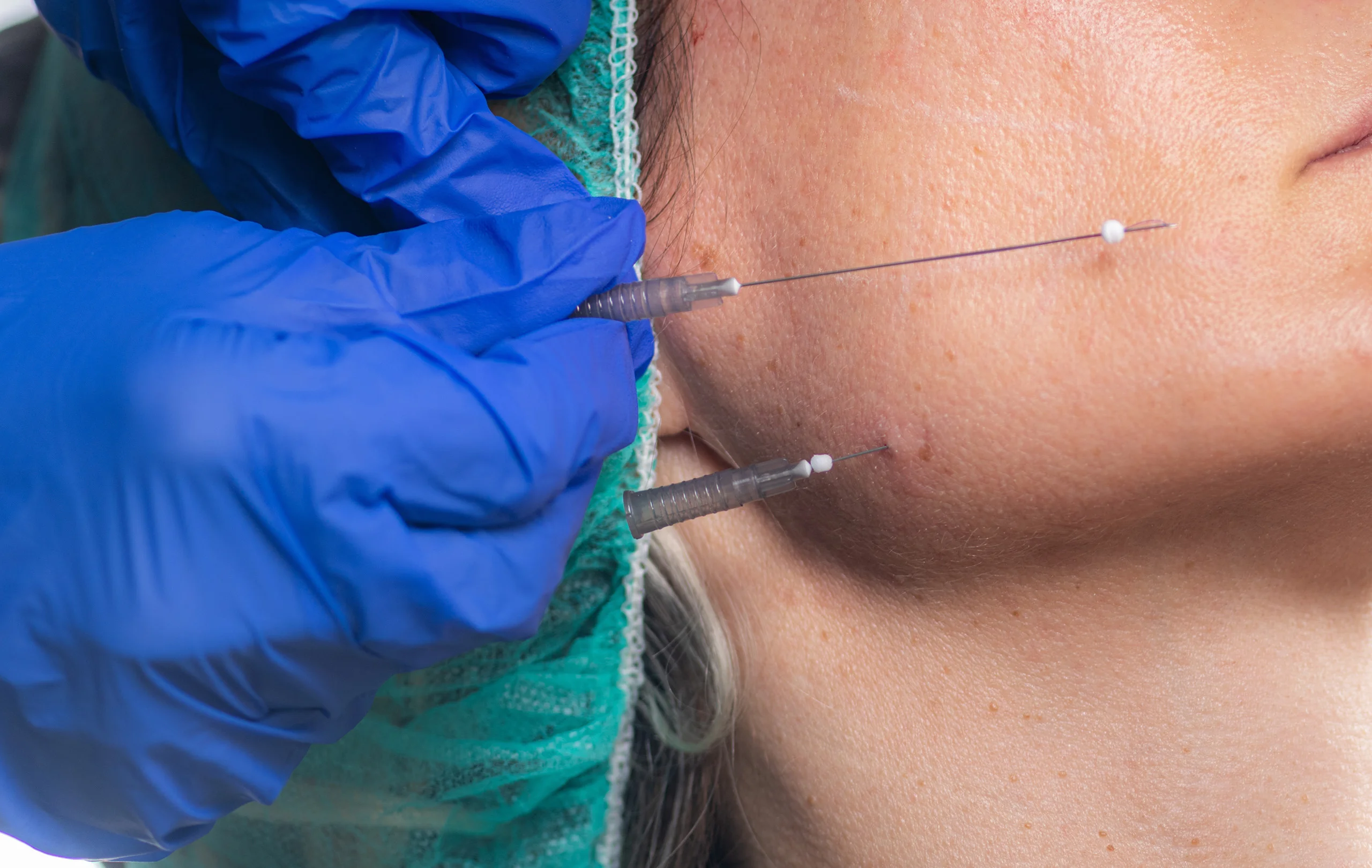
So yes, the price difference between a peel and a thread lift isn’t arbitrary; there’s a whole world of difference in time, skill, and resources involved.
Take Botox as an example. You’re paying per unit, so treating just your forehead is naturally going to cost less than smoothing out your forehead, crow’s feet, and frown lines together. Fillers work similarly; they’re priced per syringe, and restoring volume to the cheeks typically takes more product than, say, a subtle lip enhancement.
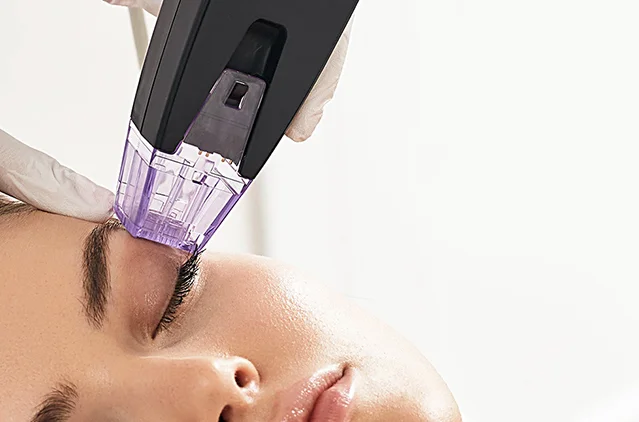
The same thinking applies to device-based treatments. Running a HIFU machine over your full face and neck is a longer, more intensive session than targeting a specific zone like the jawline, and the pricing reflects that.
Here’s something most people don’t factor in when they’re comparing prices online: who is actually holding the syringe?
Injectables and lasers aren’t like facials. They demand a thorough understanding of facial anatomy, where the nerves run, how deep different layers sit, and how your skin will respond. A good doctor reads your face before they even pick up a tool. They think about proportion, about how you’ll look in six months, about what happens if they need to adjust. That level of thinking and training doesn’t come free, nor should it.
At Kosmoderma, every procedure is carried out by qualified medical professionals, because your safety isn’t something we treat as optional.
Not all devices are created equal, and neither are the products injected into your skin. A clinic using FDA-approved fillers from reputable brands will charge more than one using cheaper alternatives, and for good reason. The quality of the material affects how long results last and how safe the treatment is.
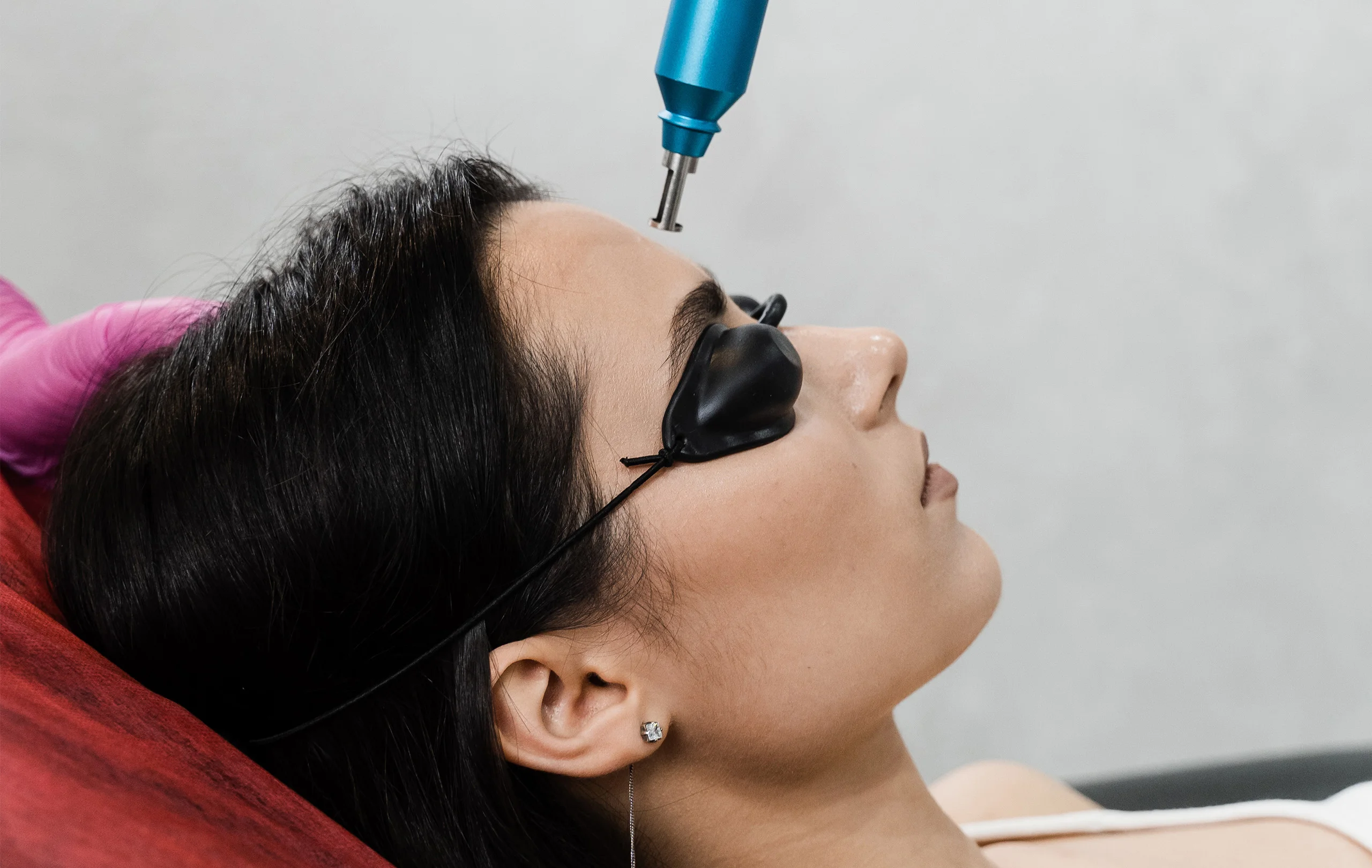
Similarly, advanced laser platforms or HIFU machines with clinical evidence behind them represent a significant investment for any clinic. That cost is reflected in treatment pricing.
When you see very low prices advertised for injectable or laser treatments, it’s worth asking, “What brand is being used?” What technology is it?
Here’s a mindset shift that helps: stop thinking per session, start thinking per year.
Say a laser treatment costs more upfront, but you only need it twice a year. Compare that to a cheaper option you’re doing every 6 weeks, and suddenly the “affordable” choice isn’t quite so affordable anymore. Most anti-aging treatments work best in a series, and your doctor will usually recommend the following:
Knowing this upfront helps you budget realistically and avoid the frustration of paying for something that fades faster than expected because the full course wasn’t completed.
Running a well-equipped medical clinic in a city like Bengaluru, Mumbai, or Delhi isn’t cheap. Real estate, equipment maintenance, quality consumables, trained staff, all of it adds up, and yes, some of that is reflected in what you pay per session.
But here’s the thing: the infrastructure isn’t just a backdrop. A properly maintained clinical environment, with sterile equipment, regulated temperature, and the right emergency protocols, is part of what makes a procedure safe. It’s not a luxury add-on.
One of the most effective ways to address aging is through a customized combination protocol, for example, pairing a laser treatment for texture with a filler for volume loss or combining Botox with a collagen-stimulating booster. These approaches tend to give more natural, comprehensive results.
However, they do cost more than a single treatment. The good news is that when done right, they can also reduce the need for more frequent repeat treatments.
It can be tempting to go for the lowest-priced option, especially when you’re trying a treatment for the first time. But with anti-aging procedures, particularly injectables and lasers, the risks of poor technique or substandard products are real, including asymmetry, skin damage, lumps, or simply no results.
The goal isn’t to spend the most. It’s about spending wisely on treatments that are appropriate for your concerns, performed safely, and likely to deliver lasting value.
Rather than quoting generic numbers (which vary too much to be meaningful), the best approach is to book a consultation at Kosmoderma. During your appointment, a qualified dermatologist will assess your skin, understand your goals, and put together a treatment plan with transparent pricing, no surprises, and no pressure.
The cost of an anti-aging treatment is ultimately an investment in how you feel in your own skin. Understanding what goes into that cost helps you make a smarter choice and feel confident in the one you make.
Ready to explore your options? Visit Kosmoderma Skin, Hair, and Body Clinics for a personalized anti-aging consultation with our expert dermatologists.
Not necessarily. Some clinics offer packages that are all-inclusive, while others will charge for implants, garments, or consumables separately. It is always best to ask for a breakdown of the costs before you book.
At least two – the first consultation will give you an idea of the options for treatment, and the second consultation will confirm the costs and procedures for recovery and aftercare support.
Not necessarily. A cheaper clinic may be passing on limited technology, unseasoned staff, or not mentioning their exclusions in the initial quote. It is important to always check the surgeon’s expertise, the clinic’s safety protocols, and the results of previous before and afters when making your decision.
Location


India’s 1st NABH Accredited Aesthetic Brand
Top Services
Skin Specialist
Our Clinics
Top Cosmetologists / Top Plastic Surgeon
Terms of Use & Privacy Policy | Disclaimer
@2025 Kosmoderma