Book Your Appointment
It’s not so hard to keep abreast with what’s happening in the world of SELF-CARE. All you need to do is drop email and we will keep dropping the knowledge bomb!
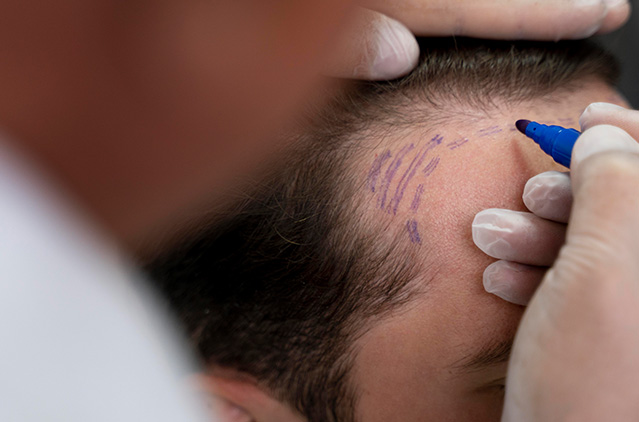
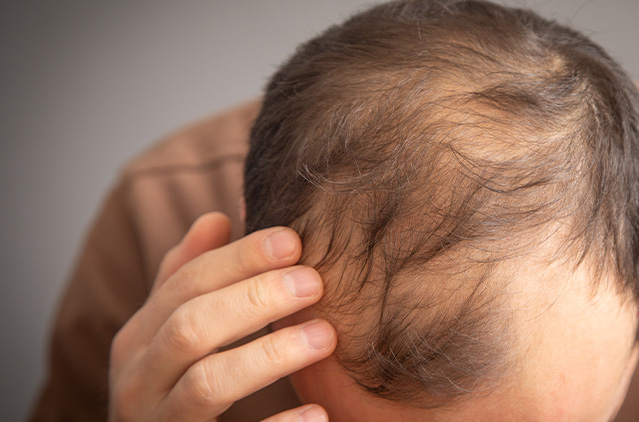
If you’re researching permanent solutions for advanced hair loss, you’ve likely searched for hair transplant procedure to understand how it works and whether it delivers long-lasting results. A hair transplant is not just a cosmetic decision—it’s a medical procedure that requires proper evaluation, planning, and expert execution.
At Kosmoderma Skin, Hair, Body Clinics, hair transplant procedures are performed using evidence-based techniques, focusing on natural hairline design, graft survival, and long-term hair growth—especially suited for Indian scalp and hair characteristics.
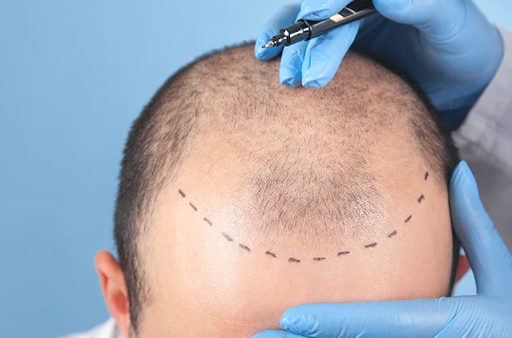
A hair transplant procedure involves relocating healthy hair follicles from a donor area (usually the back or sides of the scalp) to areas affected by thinning or baldness. These transplanted follicles retain their genetic resistance to hair fall, allowing them to grow permanently in the recipient area.
This is why a properly performed hair transplant offers long-lasting and natural-looking results.
Not everyone with hair loss needs a transplant. Ideal candidates include:
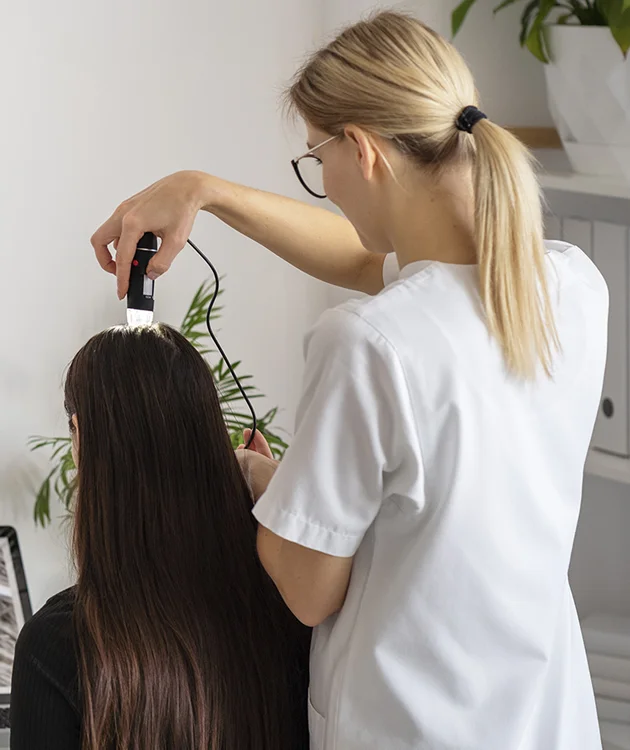
At Kosmoderma, dermatologists assess scalp health, donor area strength, and hair loss progression before recommending a hair transplant procedure.
At Kosmoderma, the hair transplant procedure is chosen based on scalp condition, graft requirement, and long-term outcome goals.
Understanding the process helps set realistic expectations:
Each step of the hair transplant procedure directly impacts graft survival and final results.
The common signs which one can observe after hair transplant include some redness, swelling, and tenderness on the scalp for several days. Moreover, small scabs appear around the transplanted hair follicles and disappear in seven to ten days. After a hair transplant, a specialist tells a patient what he should do, how to wash his hair, etc.
After a transplantation, people usually notice that transplanted hairs fall out in two to eight weeks, but it should not worry a person since it is a completely natural process and doctors call it a “shock loss”. The transplanted hair follicles stay healthy under the skin and will start producing new hair soon.
New hair starts growing from transplanted follicles approximately in three or four months and the most visible result appears in six to nine months. In twelve to eighteen months, a person will see a final result, but the time period depends on many factors including the healing ability of the body and others.
During this period, a person can visit his specialist several times and get an advice and information about additional treatments if necessary.
Hair growth after a transplant is gradual:
This timeline is explained in detail during consultations at Kosmoderma to ensure realistic expectations.
Yes—when performed by experienced doctors in a medical setting. Safety depends on:
Kosmoderma follows strict medical protocols to ensure the hair transplant procedure is both safe and effective.
To maximise results:
Proper aftercare plays a major role in the success of the hair transplant procedure.
Myth 1: Transplanted hair falls again
Fact: Transplanted hair is permanent when done correctly.
Myth 2: Hair transplant looks artificial
Fact: Natural results depend on hairline design and implantation skill.
Myth 3: One transplant works for everyone
Fact: Treatment plans must be individualised.
Patients searching for a reliable hair transplant procedure look for safety, experience, and predictable results.
Kosmoderma Skin, Hair, Body Clinics offer:
This medical-first approach ensures long-lasting growth and patient satisfaction.
For suitable candidates, a hair transplant is a permanent and effective solution for advanced hair loss. However, success depends on choosing the right clinic, surgeon expertise, and proper aftercare.
If you’re considering a hair transplant procedure, consult the specialists at Kosmoderma Skin, Hair, Body Clinics for a personalized, safe, and result-oriented approach.
Typically 6–8 hours, depending on graft numbers.
Not necessarily. Some clinics offer packages that are all-inclusive, while others will charge for implants, garments, or consumables separately. It is always best to ask for a breakdown of the costs before you book.
At least two – the first consultation will give you an idea of the options for treatment, and the second consultation will confirm the costs and procedures for recovery and aftercare support.
Not necessarily. A cheaper clinic may be passing on limited technology, unseasoned staff, or not mentioning their exclusions in the initial quote. It is important to always check the surgeon’s expertise, the clinic’s safety protocols, and the results of previous before and afters when making your decision.
Kosmoderma is proudly powered by WordPress


India’s 1st NABH Accredited Aesthetic Brand
Terms of Use & Privacy Policy | Disclaimer
@2025 Kosmoderma