Book Your Appointment
It’s not so hard to keep abreast with what’s happening in the world of SELF-CARE. All you need to do is drop email and we will keep dropping the knowledge bomb!

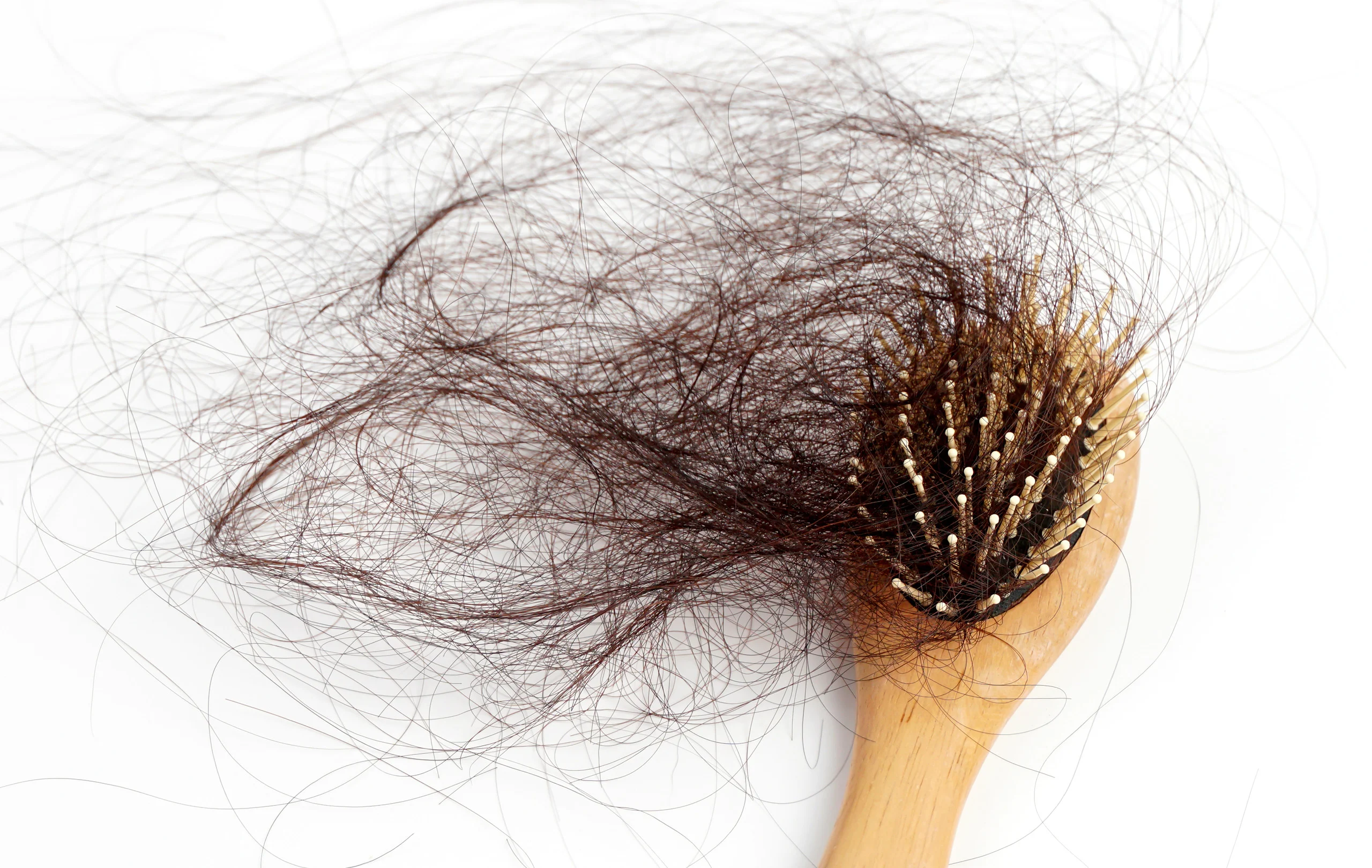
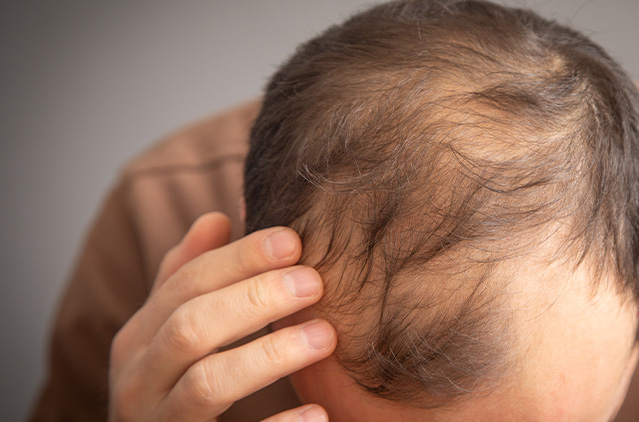
Noticing more hair on your pillow? Seeing more of your scalp when you look in the mirror? Or feeling like your hairline and crown are not as dense as they used to be?
Hair thinning rarely happens overnight. It can start with a slightly wider parting, a receding hairline, a thinner crown, or a more visible scalp in photographs. By the time you notice a clear change, you may have already tried shampoos, oils, supplements, or home remedies without knowing what is actually causing the hair loss.
Let’s understand how GFC works, who may benefit from it, what you can realistically expect, and how it compares with other hair-loss treatments.
GFC stands for Growth Factor Concentrate. It is an injectable scalp treatment designed to deliver a concentrated preparation containing growth-factor-related components into areas affected by hair thinning.
Growth factors are signalling proteins involved in processes such as cell communication, tissue repair, and regeneration. In hair restoration, the treatment is intended to support the scalp environment around existing hair follicles.
The goal is not simply to stop hair from falling.
The broader aim is to support weakened or miniaturizing follicles and help improve the appearance of hair density in suitable patients.
GFC is generally considered part of a personalized hair-loss treatment plan rather than as a standalone answer for every patient.
Think of a thinning hair follicle as a follicle that may still be active but is producing weaker, finer, or shorter hairs.
GFC treatment aims to provide growth-factor-based signals around the treated scalp areas.
A dermatologist first assesses your hair loss pattern, scalp condition, and overall hair density. The possible cause of hair loss is important because different conditions require different approaches.
The areas showing thinning, such as the hairline, crown, or other affected regions, are assessed to determine where treatment may be appropriate.
The growth-factor-based preparation used for treatment is prepared according to the clinic’s treatment protocol.
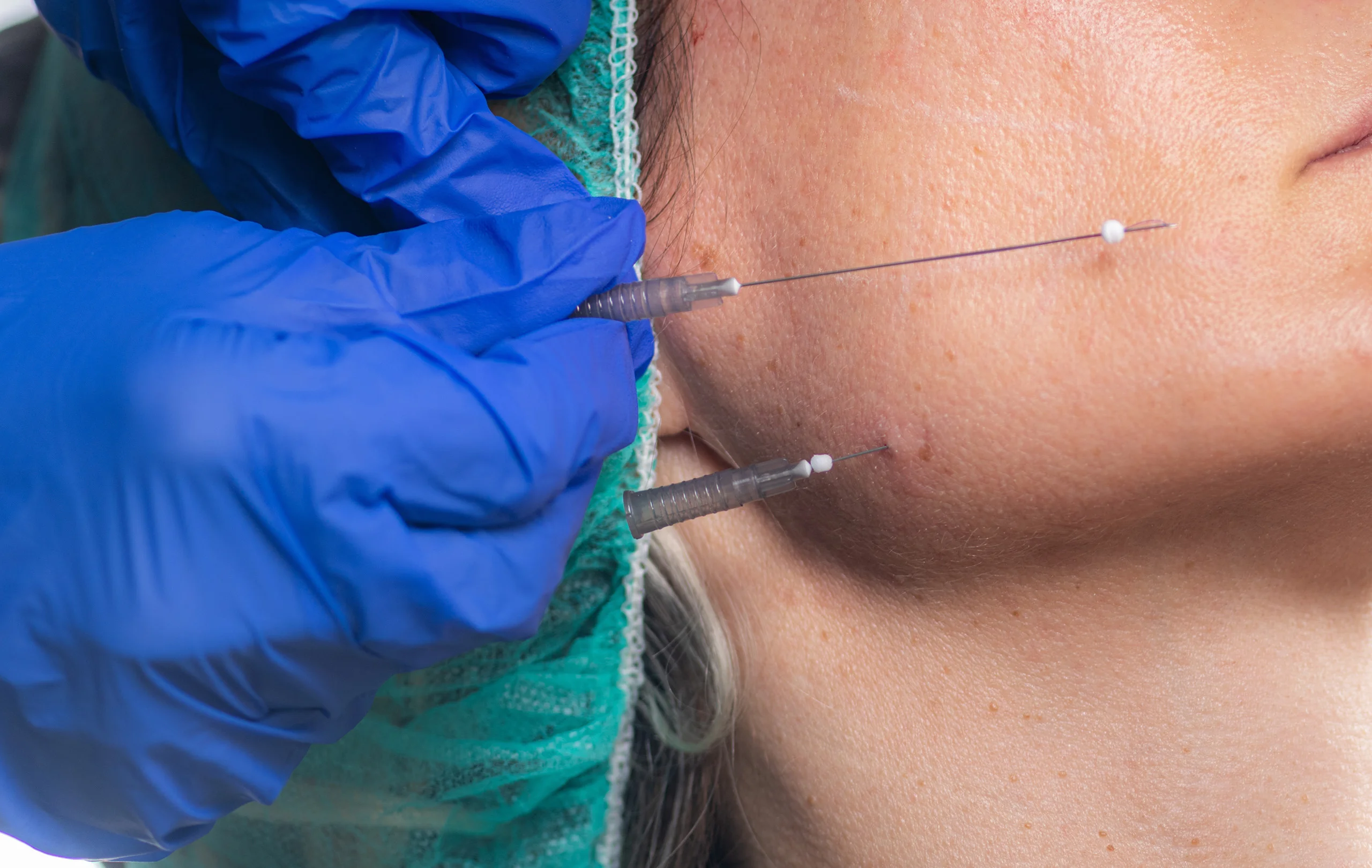
The preparation is delivered through multiple small injections into selected areas of the scalp.
Hair growth takes time. Your response is monitored over subsequent visits, and further treatment may be recommended depending on your diagnosis and response.
The exact preparation, protocol, number of sessions, and treatment interval can vary depending on the patient’s condition and the clinic’s protocol.
This is one of the most important questions to ask before starting treatment.
GFC is intended primarily to support existing hair follicles. It should not be presented as a treatment that can recreate destroyed follicles.
If follicles are still present but producing progressively thinner hair, treatment may have a better rationale than in areas where follicles have been permanently lost.
This is why early assessment matters.
Hair loss can have many causes, including pattern hair loss, excessive shedding after illness or stress, nutritional deficiencies, hormonal factors, scalp disorders, and certain medical conditions. Treating the wrong cause can delay appropriate care.
A dermatologist may therefore recommend additional evaluation before deciding whether GFC is suitable.
Hair loss is not one condition.
For example, gradual thinning around the crown or hairline can have a different underlying cause from sudden diffuse shedding after an illness. Patchy hair loss can also require a completely different diagnostic approach.
GFC may be considered when the clinical assessment suggests that supporting existing follicles could be useful.
It may not be the appropriate first-line approach when hair loss is caused by an untreated medical condition, active scalp disease, severe inflammation, or another problem that needs to be addressed first.
This assessment helps move the conversation from “Which hair treatment should I buy?” to “What is actually causing my hair loss?”
You may gradually notice changes in hair shedding, texture, thickness, or visible density depending on your underlying condition and response to treatment.
However, GFC should not be marketed as a guaranteed hair-growth treatment.
Your outcome can depend on:
Your dermatologist can explain what is realistic for your particular pattern of hair loss.
There is no single session schedule that is appropriate for everyone.
The number and frequency of GFC sessions depend on the treatment protocol, the type and extent of hair loss, and how you respond to treatment.
A personalised treatment plan should be based on your diagnosis and progress rather than a one-size-fits-all package.
GFC and PRP are both injectable treatments used in hair-restoration settings, but they are not identical procedures.
PRP
PRP stands for Platelet-Rich Plasma.
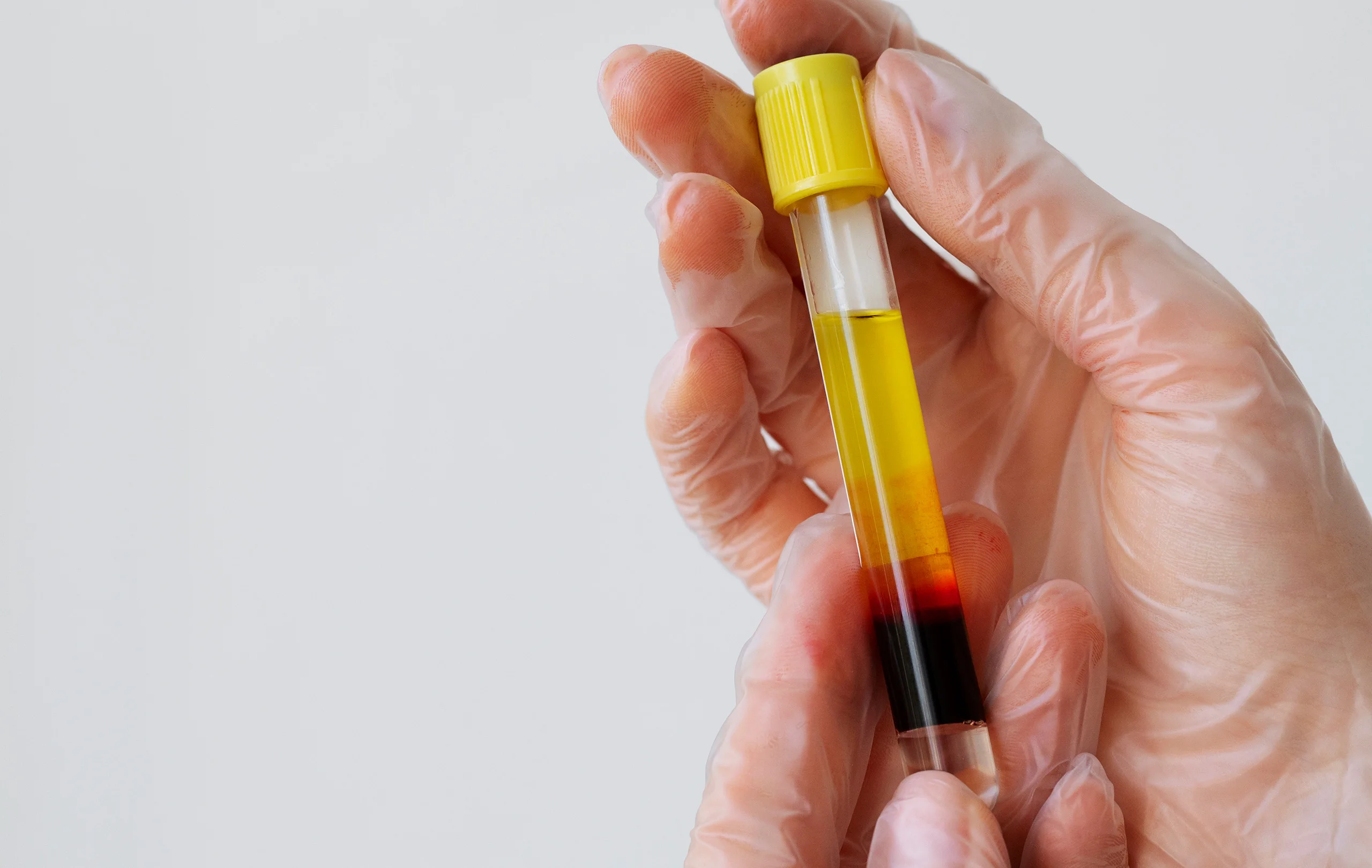
It involves preparing plasma from a patient’s own blood and concentrating platelets before injecting the preparation into selected scalp areas.
GFC
GFC stands for Growth Factor Concentrate.
It uses a growth-factor-based preparation according to the specific treatment protocol rather than simply using whole blood or standard plasma.
The important question is not necessarily whether GFC or PRP is universally “better”.
The more useful question is:
Which approach is appropriate for your specific type and stage of hair loss?
A dermatologist may recommend one treatment, another option, or a combination approach depending on the clinical assessment.
GFC is only one part of the wider hair-restoration landscape.
Depending on the diagnosis, a dermatologist may discuss options such as:
The right treatment depends on the cause of hair loss, not simply the popularity of a particular procedure.
This is particularly important when searching online for terms such as “best hair loss treatment in Bangalore” or “best GFC treatment in Bangalore.”
GFC is only one part of the wider hair-restoration landscape.
Depending on the diagnosis, a dermatologist may discuss options such as:
The right treatment depends on the cause of hair loss, not simply the popularity of a particular procedure.
This is particularly important when searching online for terms such as “best hair loss treatment in Bangalore” or “best GFC treatment in Bangalore.”
GFC involves multiple small injections into the scalp, so some patients may experience temporary discomfort during the procedure.
The level of discomfort can vary from person to person.
Your clinic may use appropriate measures to make the procedure more comfortable. Your treating clinician can explain what to expect before treatment.
GFC is generally performed as an outpatient injectable procedure, so extensive downtime is not typically expected.
You may experience temporary effects such as:
These effects usually settle with time, but your treating clinic should provide specific aftercare instructions based on the procedure performed.
Follow the clinic’s advice regarding washing the scalp, exercise, hair products, and other activities immediately after treatment.
Do not wait until significant thinning becomes obvious.
Consider getting your hair loss assessed if you notice:
Early evaluation can help identify the underlying cause and determine whether the follicles are still capable of producing hair.
At Kosmoderma, hair-loss treatment begins with understanding the individual’s hair and scalp concerns.
GFC may be considered as one of the treatment options for suitable patients after clinical assessment.
The treatment plan can take into account the type and stage of hair loss, scalp condition, follicle status, and previous treatment history.
The goal is not to recommend the same procedure to everyone. It is to identify an approach that is appropriate for the patient’s specific hair-loss concern.
If you are considering GFC in Bangalore, a consultation can help you understand whether it is suitable for your condition and what other treatment options may be relevant.
If your hair is becoming thinner, choosing a treatment based only on the name or popularity of a procedure may not give you the answer you need.
GFC can be an option for selected types of hair loss, but the first step is understanding why your hair is thinning and whether the affected follicles are still viable.
If you are searching for the best GFC treatment in Bangalore, start with a proper hair and scalp assessment, understand your options, and choose a treatment plan based on your individual condition rather than a one-size-fits-all promise.
GFC stands for Growth Factor Concentrate. It is an injectable treatment that uses a growth-factor-based preparation to support existing hair follicles in selected cases of hair thinning.
GFC may be considered for selected types of hair thinning, particularly when viable hair follicles are present. Its suitability depends on the cause, stage, and pattern of hair loss.
GFC and PRP are different treatments, and neither should be considered universally better for every patient. The appropriate option depends on your diagnosis, treatment goals, and clinical assessment.
GFC is intended to support existing follicles. It should not be presented as a treatment that can recreate follicles that have been permanently lost.
Hair growth takes time, so results are not expected immediately after treatment. The timing and extent of visible improvement can vary between individuals.
Not necessarily. Some clinics offer packages that are all-inclusive, while others will charge for implants, garments, or consumables separately. It is always best to ask for a breakdown of the costs before you book.
At least two – the first consultation will give you an idea of the options for treatment, and the second consultation will confirm the costs and procedures for recovery and aftercare support.
Not necessarily. A cheaper clinic may be passing on limited technology, unseasoned staff, or not mentioning their exclusions in the initial quote. It is important to always check the surgeon’s expertise, the clinic’s safety protocols, and the results of previous before and afters when making your decision.


India’s 1st NABH Accredited Aesthetic Brand
Terms of Use & Privacy Policy | Disclaimer
@2025 Kosmoderma