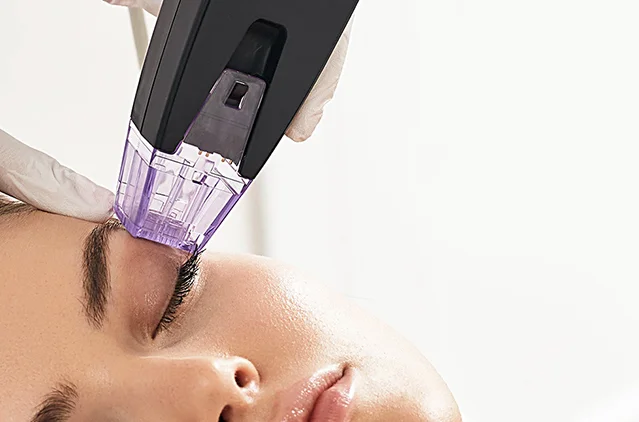
Book Your Appointment
It’s not so hard to keep abreast with what’s happening in the world of SELF-CARE. All you need to do is drop email and we will keep dropping the knowledge bomb!
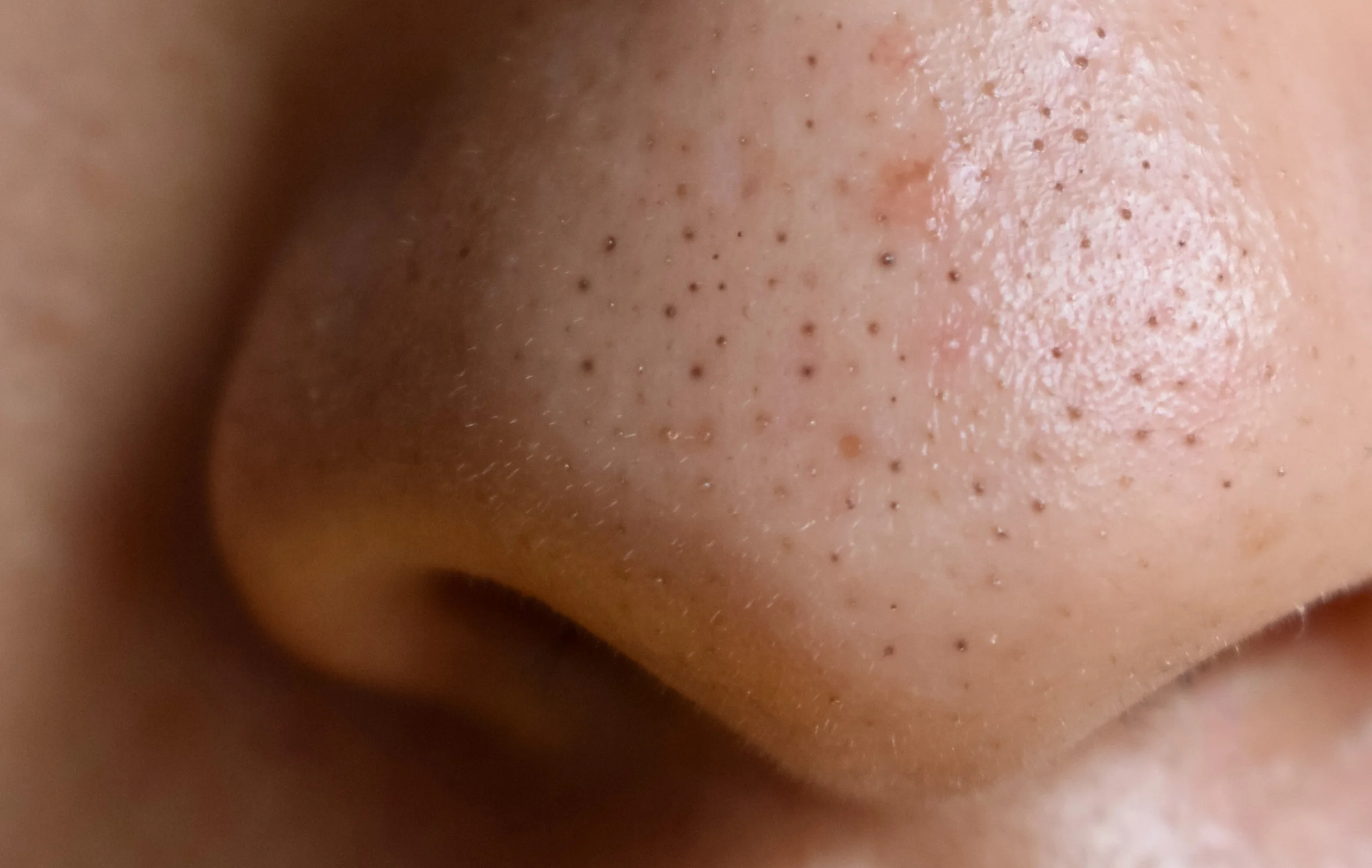
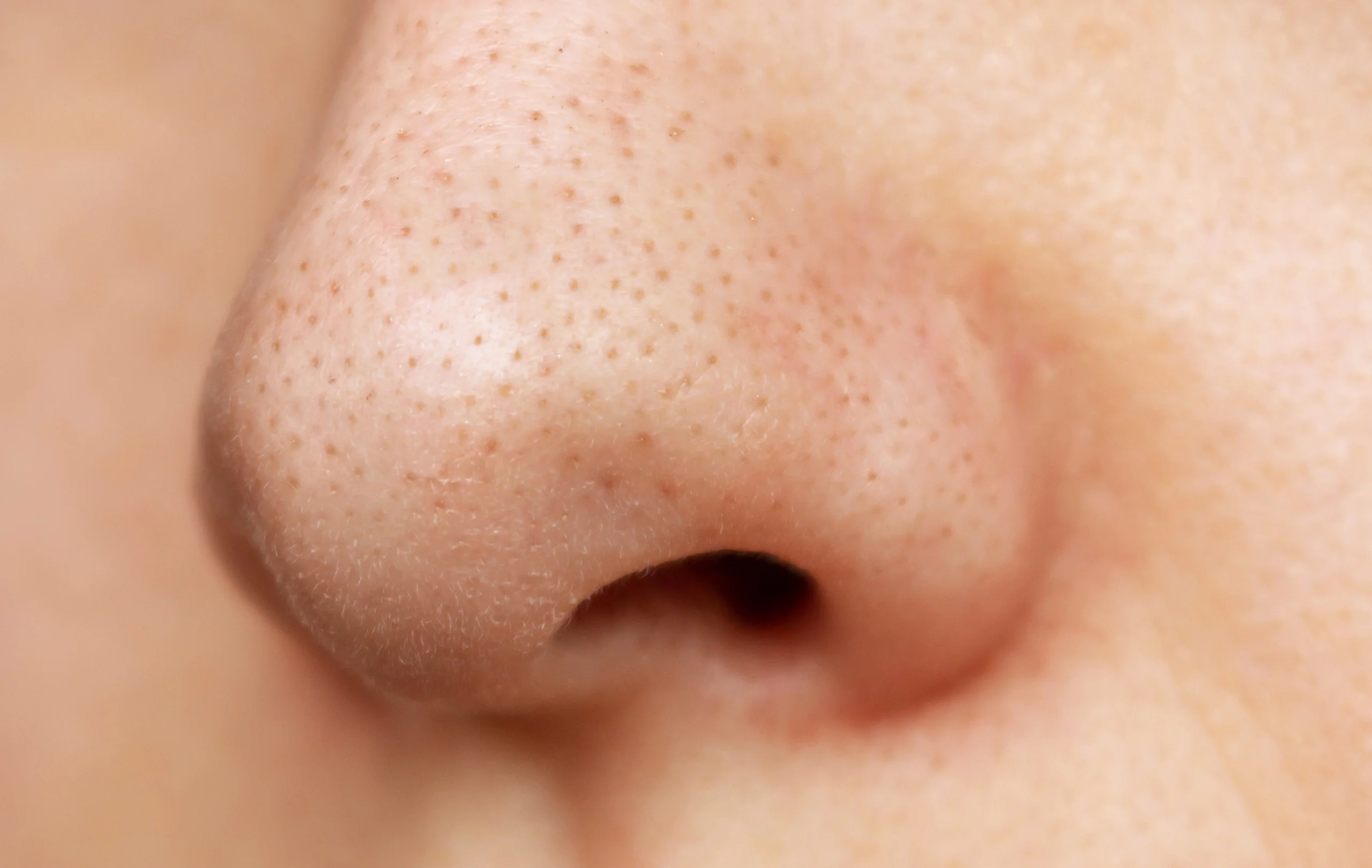
Everyone deals with the same frustrating spot on their face. You clear your skin, and within days, the tiny dark dots are back on your nose. This happens because your nose has more oil glands packed into less space than almost anywhere else on your face.
The good news: you do not need to squeeze, pick, or buy every pore strip on the shelf. A short, consistent routine clears blackheads faster than any single “miracle” product.
In this guide, you will learn why blackheads target your nose specifically, the home routine that actually works, and which in-clinic treatments close the gap when home care plateaus.
Blackheads are clogged hair follicles filled with dead skin cells and sebum, your skin’s natural oil. The dark colour isn’t dirt, the plug stays open to the air, and the melanin in it oxidises and turns black. That’s why scrubbing doesn’t help. The clog sits inside the follicle, not on the surface, so it has to be dissolved from within.
A handful of everyday factors make blackheads worse:
No single diet causes or cures blackheads, though some people notice specific foods trigger breakouts. Track your own patterns in a simple skin diary if you suspect a link.
Your nose sits in the T-zone, the area across your forehead, nose, and chin with the highest concentration of sebaceous glands. More oil glands mean more opportunities for clogged pores.
Here is the basic process:
Nose pores also widen with age and sun exposure, which is part of why this spot stays stubborn even after your skin clears elsewhere.
But oil production is only half the story. Here is what tips some people into more frequent breakouts than others:
Consistency beats intensity here. Follow these five steps daily:
Give this routine six to eight weeks before judging results. Blackheads that built up over months will not clear in a week.
Home care plateaus for most people eventually. Here is what closes that gap.
Professional treatments reach the deeper, more established plugs that over-the-counter products cannot fully clear.
A trained skin care professional uses a sterile, specialized tool to apply even pressure and lift the plug out cleanly. This limits trauma to surrounding skin compared to at-home attempts.
Peels using glycolic or salicylic acid exfoliate the surface and inside the pore, encouraging clearer skin to regenerate underneath. A dermatologist or licensed aesthetician typically performs this treatment.
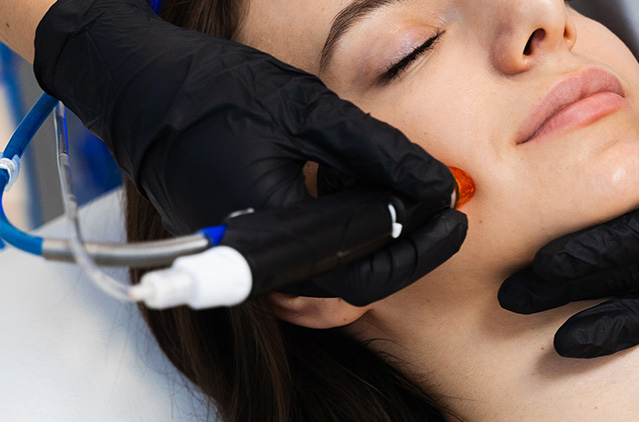
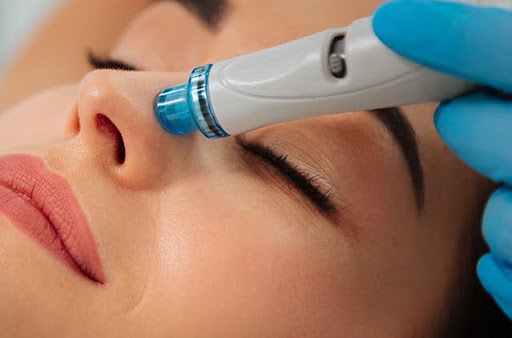
This treatment combines cleansing, gentle exfoliation, and extraction with hydrating serums in one session. Many people choose it as a starting point since it delivers visible results without downtime.
For recurring or deep-set blackheads, laser treatments reduce oil gland activity over time. Dermatologists typically combine this with other treatments rather than using it alone.
A dermatologist uses a specialized instrument to remove the top layer of skin, freeing clogged follicles and improving overall texture.
Most nose blackheads respond to consistent home care plus periodic in-clinic treatment. Book a consultation instead if:
A dermatologist rules out other causes and builds a plan around your specific skin type.
Blackheads are a form of mild acne, and like most skin concerns, they respond to maintenance rather than a one-time fix. A single treatment session can visibly improve your nose within weeks.
But without an ongoing routine, oil production refills the pores within a month. Think of this as keeping pores consistently clear, not eliminating them permanently
Ready to get a professional read on your skin? Book a consultation with Kosmoderma to build an acne-prone skin routine suited to your exact skin type
Your nose sits in the T-zone, the area with the highest concentration of oil glands on your face. More oil glands mean more clogged pores, which is why this spot fills back up faster than your cheeks or jawline.
Pore strips pull out the surface plug, but they do not stop oil production. The pore usually refills within days, so strips work as a quick cosmetic fix rather than a real solution.
Give any new routine six to eight weeks before judging results. Skin cell turnover takes time, and blackheads built up over months will not clear in a week.
Not permanently, since oil glands keep producing sebum for life. Think of it as ongoing maintenance rather than a one-time fix, similar to how you would manage oily skin generally.
See a dermatologist if blackheads worsen despite months of consistent care, if new bumps look different in texture or colour, or if products are causing more irritation than improvement.
Squeezing pushes the plug deeper into the follicle instead of out. The American Academy of Dermatology notes this can cause infection or permanent scarring, along with redness and stretched pores. Pore strips are not a real fix either. They remove the surface plug but do nothing to stop oil production, so the pore refills within days. Skip the mirror-side extraction session. Build a routine instead.
Not necessarily. Some clinics offer packages that are all-inclusive, while others will charge for implants, garments, or consumables separately. It is always best to ask for a breakdown of the costs before you book.
At least two – the first consultation will give you an idea of the options for treatment, and the second consultation will confirm the costs and procedures for recovery and aftercare support.
Not necessarily. A cheaper clinic may be passing on limited technology, unseasoned staff, or not mentioning their exclusions in the initial quote. It is important to always check the surgeon’s expertise, the clinic’s safety protocols, and the results of previous before and afters when making your decision.
Location


India’s 1st NABH Accredited Aesthetic Brand
Top Services
Skin Specialist
Our Clinics
Top Cosmetologists / Top Plastic Surgeon
Terms of Use & Privacy Policy | Disclaimer
@2025 Kosmoderma