Book Your Appointment
It’s not so hard to keep abreast with what’s happening in the world of SELF-CARE. All you need to do is drop email and we will keep dropping the knowledge bomb!

Most people blame a bad night’s sleep for puffy eyes. But research says something different. If you’ve been searching for how to reduce bags under the eyes, understanding the real cause is the first step.
In one Indian hospital study of 50 patients, family history mattered more than sleep. Only 4 patients had poor sleep. But 7 patients had a family history of the condition. In other words, genetics often plays a bigger role than your bedtime.
That doesn’t mean sleep doesn’t matter at all. In a separate study, people rated sleep-deprived faces as more tired, less healthy, and less attractive. So both things can be true. Genetics often starts the problem. Lifestyle habits can make it better or worse.
The truth is, under-eye bags usually come from more than one cause. Once you know your main cause, it’s easier to pick the right fix.
The skin under your eyes is thinner than skin anywhere else on your face. That’s part of why this area shows change first. Here are the main causes doctors see most often:
Now that you know what’s likely causing your puffiness, here’s how to reduce bags under the eyes in practice. Start with the gentlest options and work your way down the list.
Chilled tea bags are a popular first step. The cold helps shrink blood vessels and reduce swelling, and caffeine may offer a mild, short-term tightening effect. Press two used, chilled tea bags over closed eyes for about 10 minutes.
A cold compress works the same way, but more evenly. Use a chilled, damp washcloth or a wrapped ice pack, and hold it under your eyes for a few minutes to calm swelling.
Sinus congestion and allergies are common but often missed causes of puffiness. Nasal irrigation flushes out mucus and irritants, which may help reduce the fluid build-up under your eyes.
If you try nasal irrigation, water safety matters. Always use distilled or sterile water, or water that’s been boiled and cooled. Never use tap water straight from the faucet, since certain organisms in it can cause infection if they bypass your body’s natural filters.
Not drinking enough water can actually make puffiness worse. When your body doesn’t get enough water, it holds onto what it has. Drink water steadily through the day instead of all at once.
If allergies are part of the problem, an over-the-counter antihistamine may help reduce the swelling and irritation they cause. Ask your doctor which option is right for you.
Retinol creams are often used to support collagen, the protein that keeps skin firm. Used consistently over several weeks, they may improve texture under the eyes. Retinol can make skin more sensitive to the sun, so daytime sunscreen matters too.
If discoloration bothers you more than puffiness, other options exist. Ingredients like hydroquinone, a skin-lightening ingredient, are sometimes used under a dermatologist’s guidance. These can irritate sensitive skin, so it’s best to get professional advice on strength and frequency.
Sun exposure breaks down collagen over time, which can worsen both puffiness and discoloration. A daily broad-spectrum sunscreen, even on cloudy days, protects this thin skin.
Leftover makeup can irritate the skin under your eyes overnight, adding to next-morning puffiness. A gentle, full cleanse before bed removes this build-up.
Fluid naturally pools under your eyes when you sleep flat. Propping your head up slightly with an extra pillow can help keep fluid from settling in one place overnight.
Sleep quality matters, even if it’s not the main cause for everyone. Waking up often or sleeping inconsistently can add to puffiness, regardless of total hours slept.
Foods high in vitamin C, like citrus fruits, bell peppers, and leafy greens, support collagen production. This is a slow benefit that builds over time, not a quick fix.
Salty food makes your body hold onto water, and thin under-eye skin is often the first place this shows up. Cutting back on salty, processed food, especially at night, may reduce morning puffiness.
Alcohol dehydrates the body, which can cause it to hold onto more water as a result. That water often shows up as puffiness the next day. Cutting back, especially before bed, tends to help fairly quickly.
Smoking speeds up collagen breakdown, thinning the already-delicate skin under your eyes and making blood vessels more visible. Quitting is one of the most useful long-term changes for this area.
If home remedies haven’t helped after a few weeks, it may be time to see a dermatologist who can help find the actual cause. Ongoing swelling, pain, or redness should always be checked by a professional.
Still dealing with puffiness after trying these at home? Since genetics is often the real driver, not lifestyle, a dermatologist can help identify what’s actually causing your specific case.
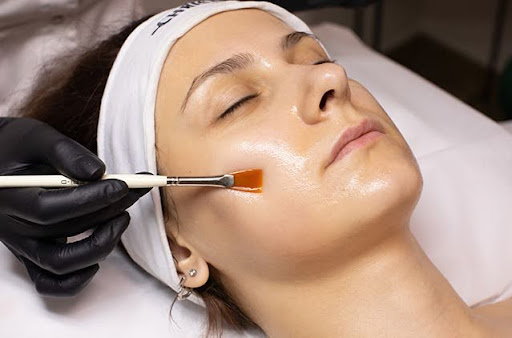
Home remedies work well for occasional puffiness. But if your under-eye bags are caused by genetics or loose skin, they often need a different approach. A Kosmoderma dermatologist can help identify the cause and the right treatment for you.
At Kosmoderma, patients often come in after trying multiple home remedies without lasting results, particularly when the underlying cause is related to skin laxity or fat shifting rather than fluid retention. A proper evaluation typically starts with identifying which of these mechanisms is actually driving the appearance, since the right treatment differs a lot depending on the cause. ” – Dr. Nishtha, Medical Head, Kosmoderma Skin, Hair, Body Clinics
Professional treatment for under-eye bags is more common than most people think. In 2024, doctors performed over 120,000 eyelid surgeries in the United States, and more than half were on patients aged 55 to 69. Most people with under-eye bags never need surgery, but it helps to know the option exists.
Once the cause is identified, several dermatologist-administered options can address under-eye bags more directly than home remedies.
Hyaluronic acid fillers are injected into the tear trough to smooth the hollow between the lower eyelid and cheek. This works well when volume loss, not puffiness, is the main issue. Results are visible immediately and typically last several months.
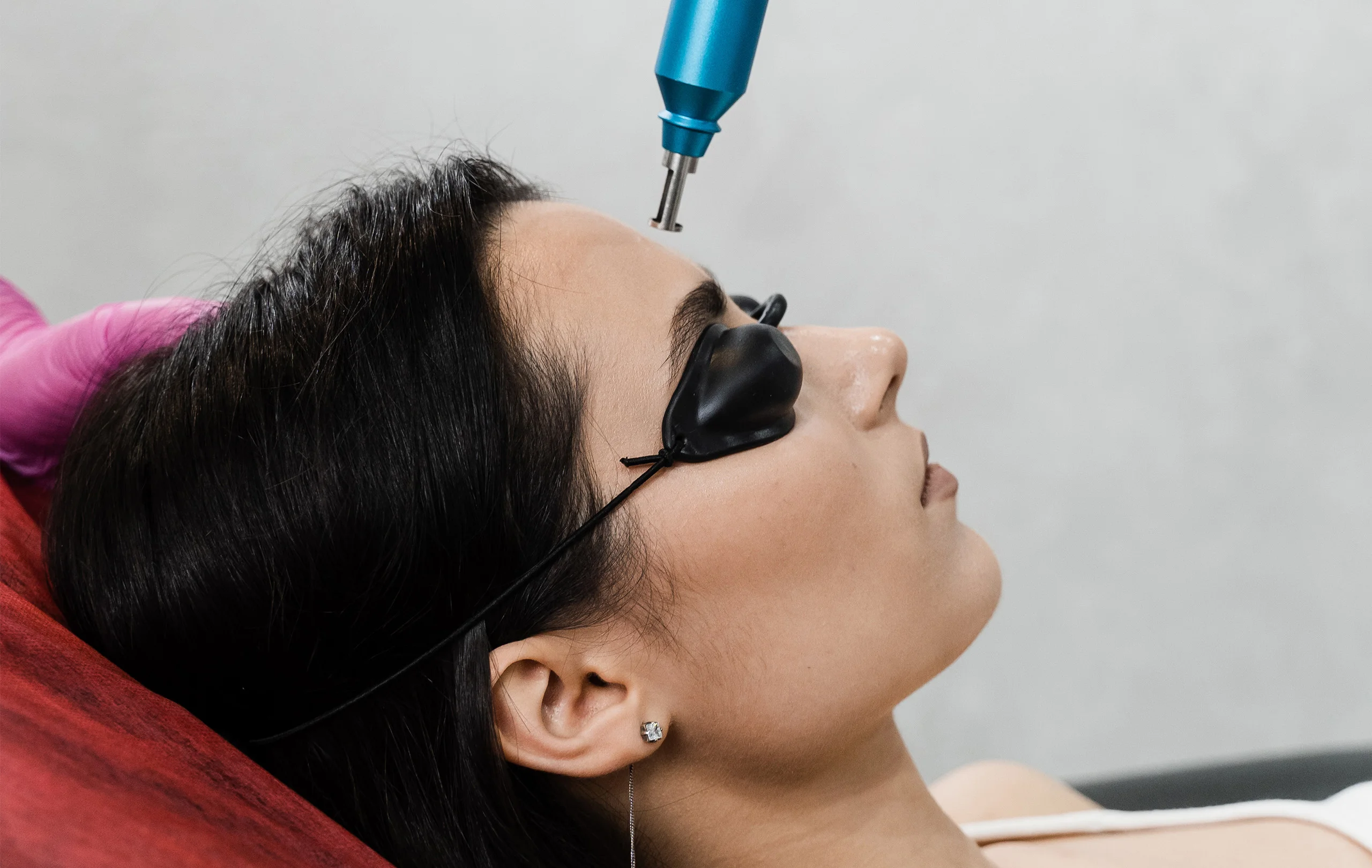
Fractional laser treatments stimulate collagen production and tighten loose under-eye skin. This is often recommended for patients whose bags are linked to aging and reduced elasticity. Multiple sessions are usually needed for visible results.
Radiofrequency microneedling combines controlled micro-injuries with heat energy to firm the skin. It’s commonly used for mild to moderate skin laxity under the eyes. Downtime is minimal compared to more invasive options.
Fine dissolvable threads can lift and support sagging skin without surgery. This is generally considered for patients with mild skin laxity who aren’t ready for surgical options. Effects are temporary compared to blepharoplasty.
For bags caused by fat pad herniation, surgical removal or repositioning of fat may be the most effective long-term solution. This is typically considered only after non-surgical options have been evaluated. Recovery time is longer, but results are more permanent.
Under-eye bags are common and usually harmless. They’re often caused by genetics more than a single bad night’s sleep. If you’re looking for how to reduce bags under the eyes, simple habits like cutting salt, staying hydrated, and reducing screen time can help with fluid-related puffiness. If genetics or aging is the main cause, a dermatologist can offer treatments that go further than home remedies.
Kosmoderma is proudly powered by WordPress





India’s 1st NABH Accredited Aesthetic Brand
Terms of Use & Privacy Policy | Disclaimer
@2025 Kosmoderma