Book Your Appointment
It’s not so hard to keep abreast with what’s happening in the world of SELF-CARE. All you need to do is drop email and we will keep dropping the knowledge bomb!
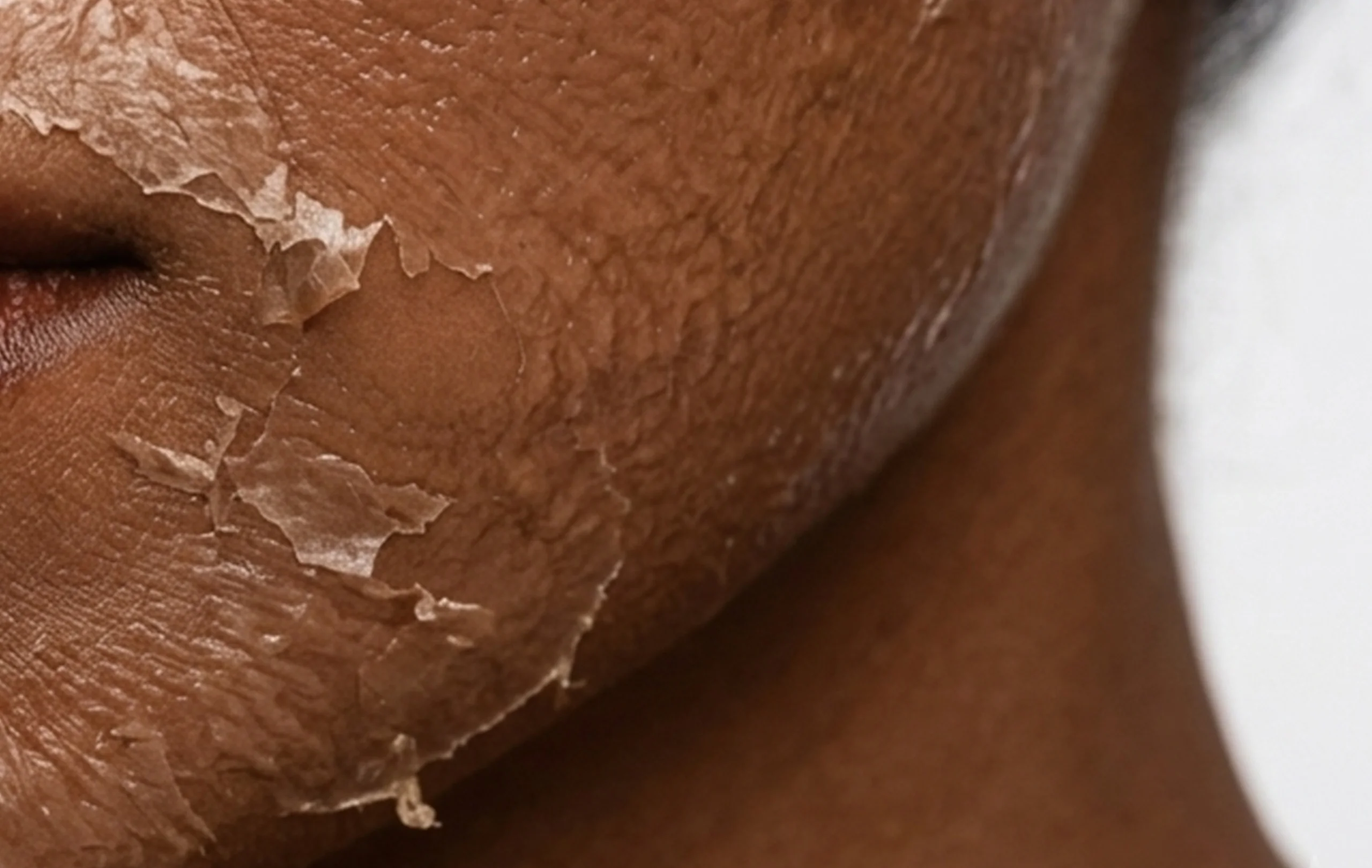
Ever exfoliate hard because your skin looks flat, only to find it looks more tired the next day? That’s not a coincidence. Over-exfoliated skin often looks duller than skin you leave alone, because the barrier gets damaged before it gets smooth. Knowing how to remove dead skin from the face the right way makes the difference between glow and irritation.
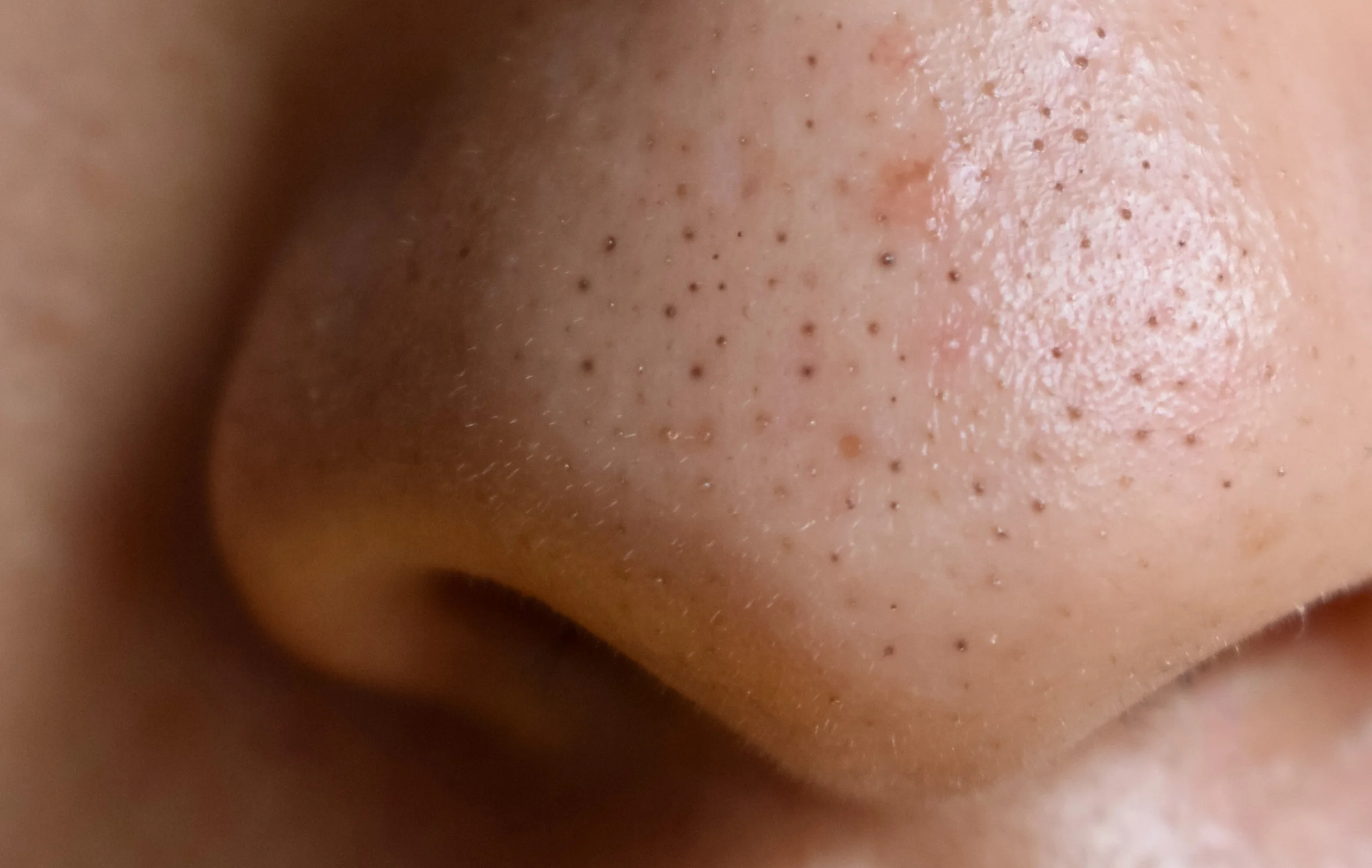
Dead skin cells are the flattened, keratin-filled cells that make up the outermost layer of your skin, the stratum corneum. New cells form at the base of the epidermis and push upward over roughly 28 days, losing their nucleus and moisture along the way. By the time they reach the surface, they’re meant to shed on their own, your skin already knows how to do this without help.
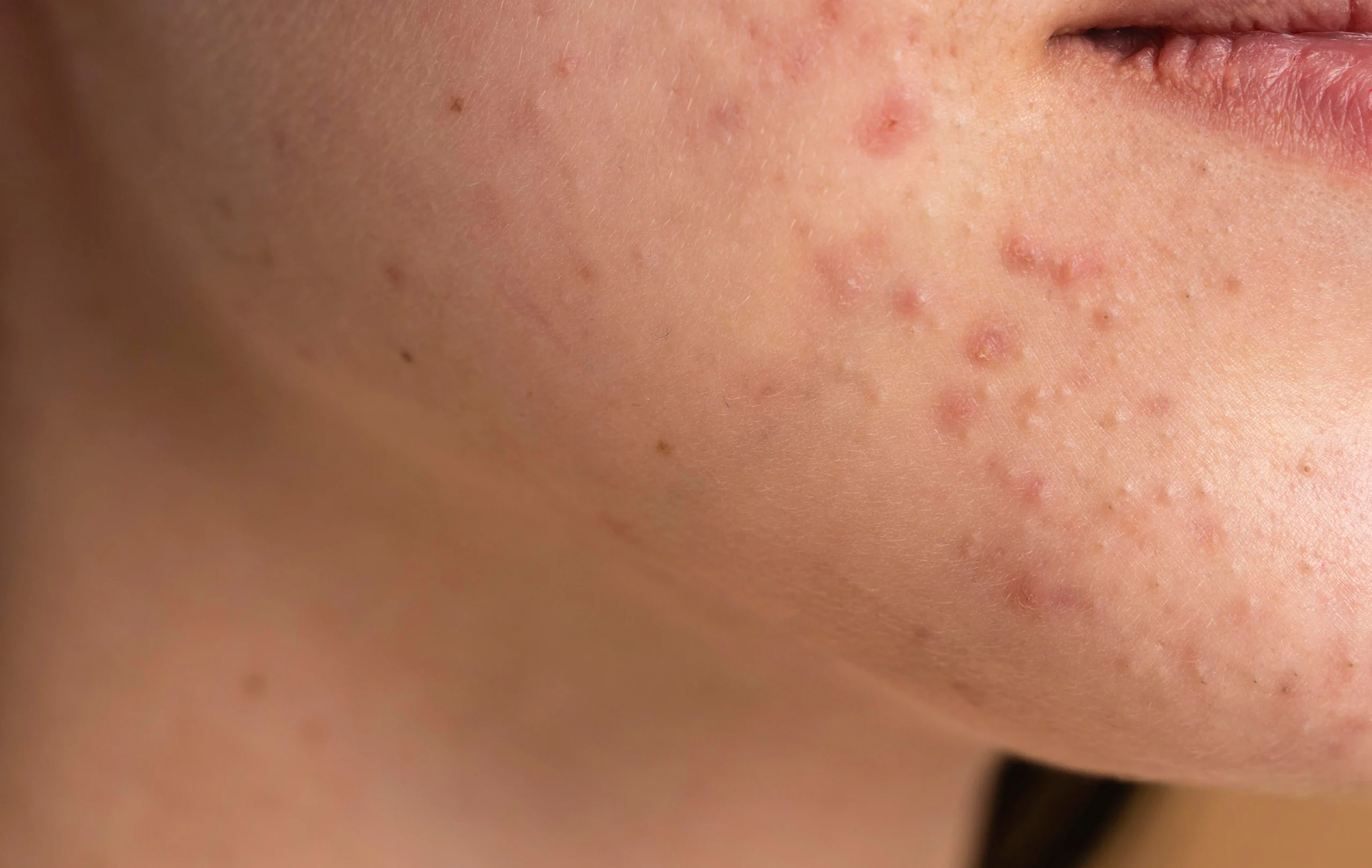
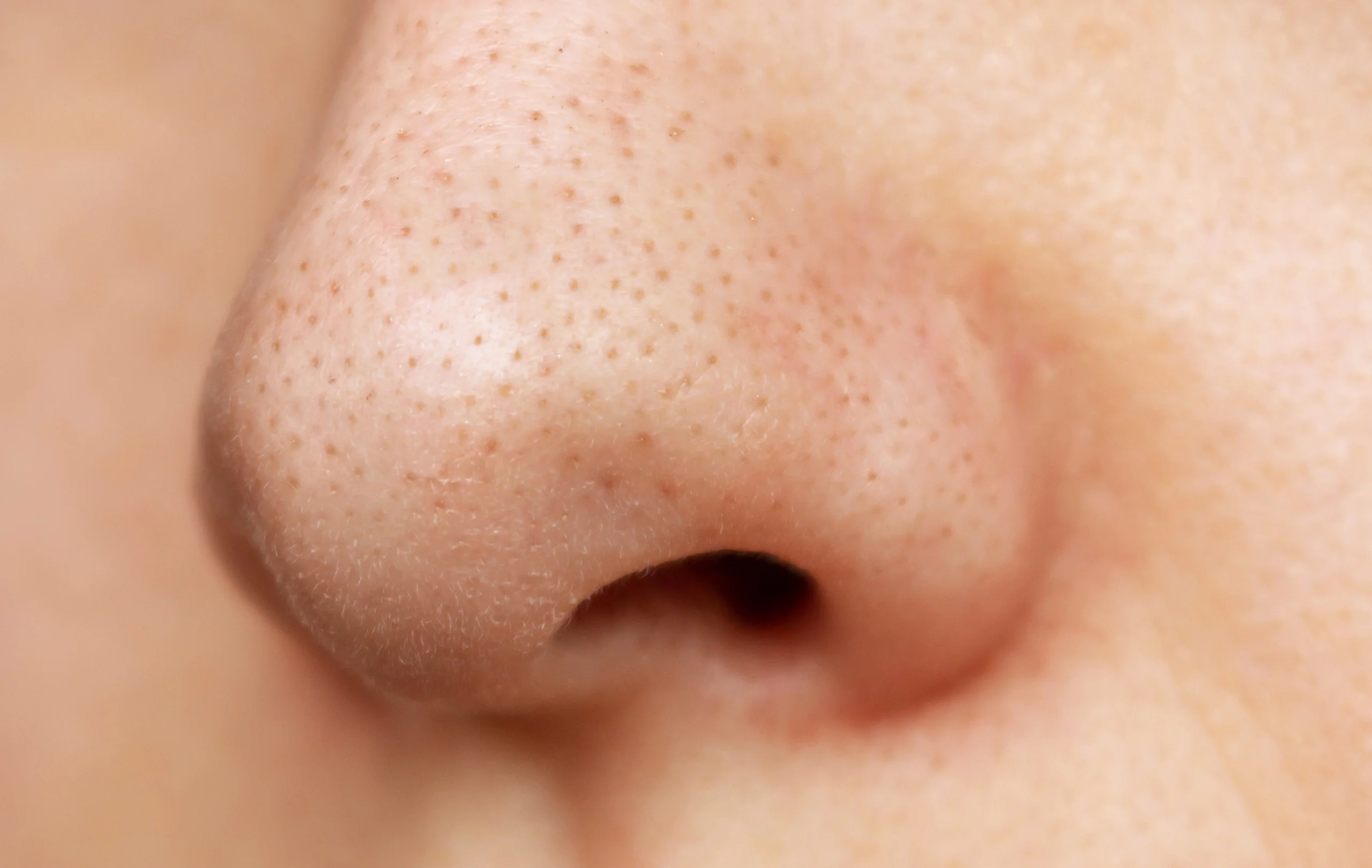
That process slows down. Age, dry weather, and a patchy skincare routine can stretch the cycle well past 28 days, so old cells stay on the surface longer than they should. What’s left behind shows up as dullness, rough patches, and makeup that never quite sits right, no matter how much you blend.
There isn’t one fix that works for everyone. What clears up oily, acne-prone skin will likely irritate sensitive or dry skin. Below are six methods worth knowing, in order of how gentle they are, along with the mistakes that turn a good routine into a damaged barrier.
Skin renews itself constantly. New cells form deep in the skin and slowly rise to the surface, where the old ones are meant to flake off on their own. According to the National Institutes of Health, this turnover cycle takes roughly 28 days in younger, healthy skin and slows measurably with age, which is exactly why the same routine that worked in your twenties might not cut it now.
None of this is about being “bad” at skincare. It’s biology, and once you know what’s slowing it down, the fix is usually simpler than expected. That’s where these six methods come in, starting with the gentlest options first.
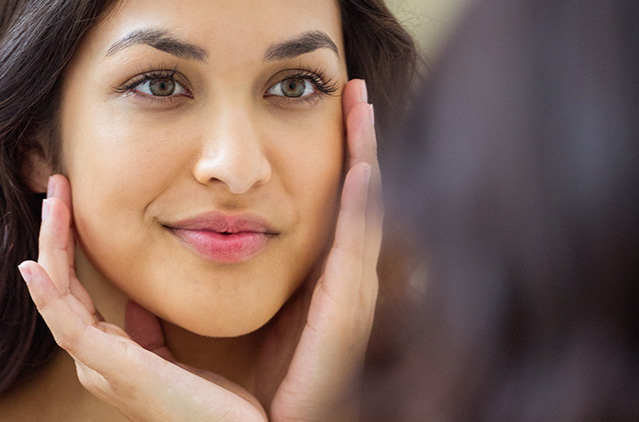
Discover simple and effective ways to exfoliate your skin, remove dead skin cells, and reveal a smoother, brighter complexion.
Alpha and beta hydroxy acids are probably the most studied exfoliation ingredients out there. AHAs like glycolic and lactic acid work on the surface, loosening the glue that holds dead cells together. BHAs, salicylic acid being the most common, get into pores, which makes them a better fit for oily or acne-prone skin.
Used a few times a week at a lower strength, these can help with texture and brightness over time. Going in too strong, too fast, usually backfires, which is why texture, not just ingredients, matters just as much.
Physical scrubs rely on small granules to manually lift dead skin away. The shape matters more than people realize; rounded particles are gentler, while jagged ones can create tiny tears you won’t notice until your skin starts reacting days later.
Once or twice a week is plenty for most skin types. Scrubs have a ceiling, though. Past a certain point, more scrubbing just means more damage, not more brightness. That’s usually when a tool-based approach makes more sense.
Cleansing brushes and silicone tools add a mechanical element to your regular wash. Done right, they leave skin smoother and help serums and moisturizers sink in better afterward.
Sensitive skin does better with soft bristle settings and lighter pressure. The catch: because brushes don’t feel abrasive in the moment, it’s easy to overdo this one without noticing until skin starts looking irritated instead of refreshed.
A few minutes of warm steam softens the outer skin layer and opens pores, which makes whatever exfoliation method you use afterward more effective and considerably less harsh.
It’s not a required step, but people with thicker or drier skin tend to notice the biggest difference here, especially before a chemical exfoliant or mask.
Many double as hydrating treatments, too, offsetting some of the dryness that comes with exfoliating. For most people, this is as far as at-home care needs to go. But for stubborn cases, there’s one more option.
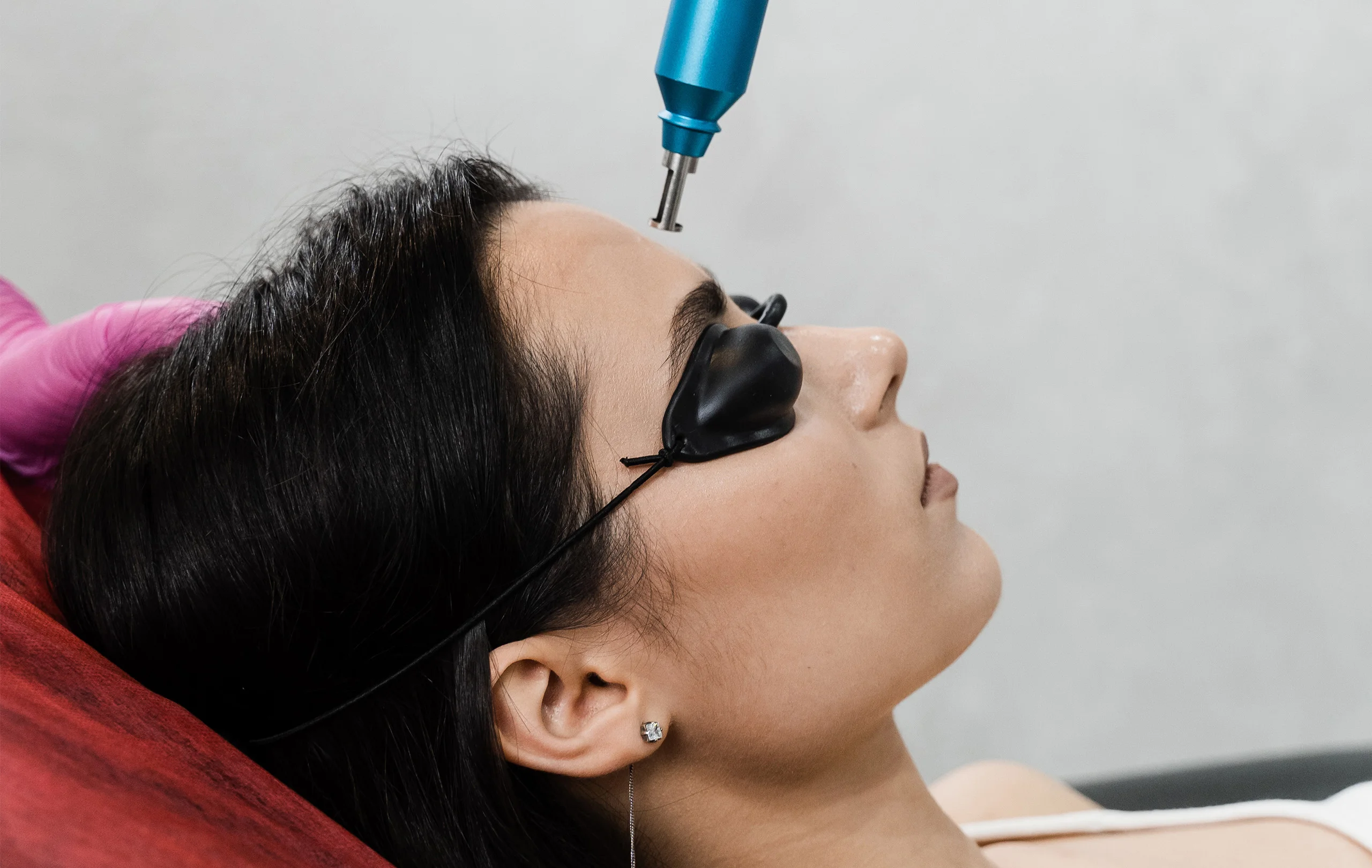
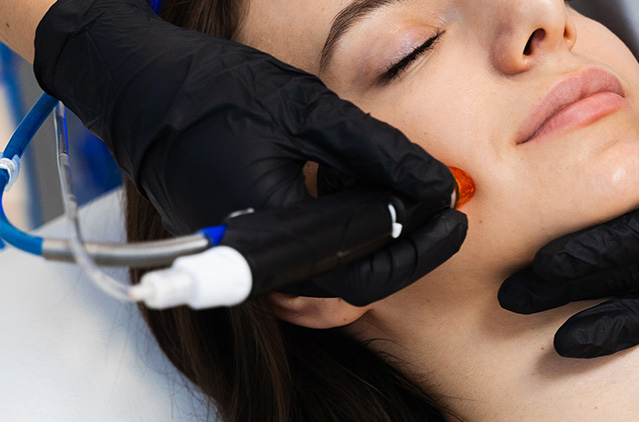
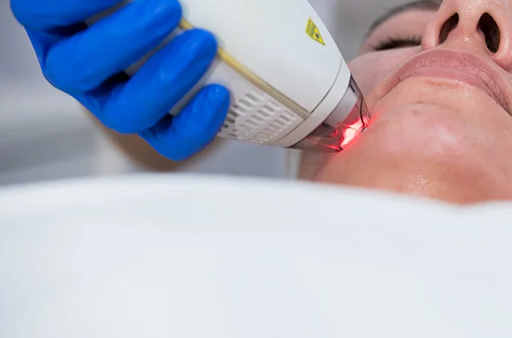
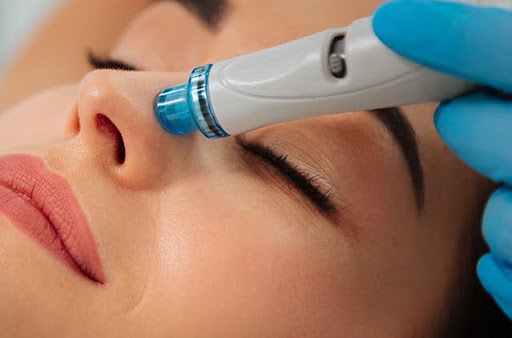
At-home products can only go so far. For deeper exfoliation, a dermatologist-administered chemical peel or a treatment like HydraFacial uses stronger, more controlled formulations than anything sold over the counter.
At Kosmoderma, this is often the treatment path recommended for patients who’ve tried consistent at-home exfoliation for several weeks without seeing real improvement, especially those dealing with rough texture around the cheeks and forehead rather than isolated dry patches. A common pattern seen in consultation is patients over-exfoliating at home right before their appointment, hoping to “help” the treatment work faster, which usually does the opposite and irritates skin before a peel or HydraFacial session. Dr. Nishtha, Medical Head, Kosmoderma Skin, Hair, Body Clinics
Not sure which method actually fits your skin? A dermatologist consultation can help you figure out whether an at-home routine will do the job, or whether something like a professional chemical peel or HydraFacial makes more sense for you
Most exfoliation damage doesn’t come from one bad choice. It comes from stacking small mistakes without realizing it, three nights of acid because skin looked flat, a scrub added on top because the acid “wasn’t working fast enough,” and by the fourth day, skin that’s red, tight, and worse than before any of it started.
A few mistakes come up again and again:
If skin stays irritated even with gentle care, that’s usually the sign to see a dermatologist instead of continuing to guess.
Getting rid of dead skin build-up doesn’t require harsh products or constant trial and error. Most people do best with a steady, gentle routine, with professional treatments as a backup when at-home care isn’t cutting it.
Still dealing with dullness or uneven texture that won’t budge? Book a consultation to talk through whether a customized chemical peel or HydraFacial fits your skin.
If pigmentation or uneven tone is also part of the picture, this guide on managing pigmentation and uneven skin tone is worth reading next.
Location


India’s 1st NABH Accredited Aesthetic Brand
Top Services
Skin Specialist
Our Clinics
Top Cosmetologists / Top Plastic Surgeon
Terms of Use & Privacy Policy | Disclaimer
@2025 Kosmoderma