Book Your Appointment
It’s not so hard to keep abreast with what’s happening in the world of SELF-CARE. All you need to do is drop email and we will keep dropping the knowledge bomb!
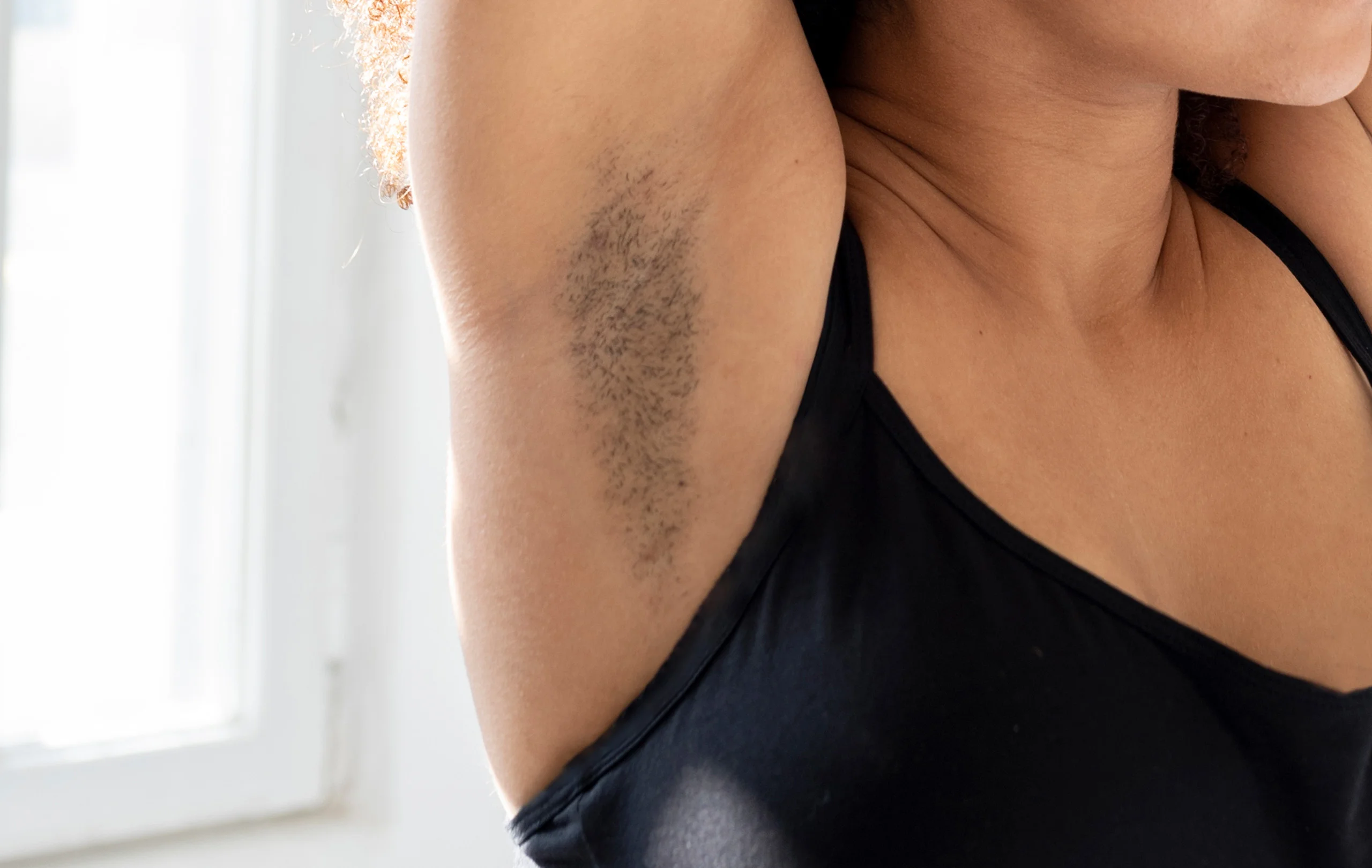
Dark underarms are one of the most common concerns dermatologists at Kosmoderma see, and for most people, they’re completely harmless. If they’re making you think twice about sleeveless outfits, you’re not alone, and you don’t need a drastic fix to start seeing change.
The good news: several natural remedies can lighten mild, surface-level darkening, and you can start tonight with ingredients already in your kitchen.
This guide covers what actually causes dark underarms, 10 natural remedies worth trying, and exactly when it’s time to stop experimenting and see a dermatologist instead.
Here’s where it starts with the causes.
Before you reach for a remedy, it helps to know what’s driving the darkening. The right fix depends entirely on the trigger.
Tight tops and synthetic fabrics rub repeatedly against underarm skin. Over time, that friction alone can trigger visible darkening
Alcohol, fragrance, and harsh chemicals irritate the delicate underarm area. That irritation gradually builds into pigmentation. Look for formulas marketed as fragrance-free and dye-free; the label matters more than whether a product calls itself “natural.”
Frequent hair removal causes micro-injury. Skin responds to that inflammation by producing extra melanin pigment, behind the darkening
Underarms rarely get exfoliated. Dead cell build-up dulls the skin and makes the area look darker than it is.
Puberty, pregnancy, and PCOS all trigger melanin overproduction in skin folds, underarms included.
This condition causes thick, velvety, dark patches, most often in the underarms and neck. According to NIH’s clinical reference on the condition, it is most commonly linked to diabetes and insulin resistance, though it can also occur with hormone disorders and certain medications.
One pediatric screening study found insulin resistance in 62% of children with acanthosis nigricans, rising to 80% when combined with a high BMI.
If you notice this velvety texture, a dermatologist visit matters more than a home remedy.
Smoking increases melanin production over time in some people, which can show up as darkening in skin folds like the underarms- one more reason it’s worth ruling out lifestyle factors before assuming the cause is cosmetic.
More skin-on-skin contact means more friction and trapped moisture, both direct contributors to darkening.
Some conditions and drugs affect melanin production as a side effect. Underarms are often where it shows up first
Worth knowing: some people’s underarms are simply a shade or two darker than the rest of their skin, the same way knees or elbows can run darker. That’s normal pigment distribution, not damage, and no remedy will “fix” it because there’s nothing to fix.
But there’s a catch: even with the right cause identified, not every fix works the same way for everyone. That’s where home remedies come in and where their limits start too.
A quick caveat before you try any of these: results vary widely, and none are clinically proven. Acidic ingredients, especially, can irritate sensitive underarm skin; always patch-test on your inner arm first, and stop if you notice redness or stinging.
Here are the 10 remedies people reach for most often:
Why it may help: Soothing and antioxidant-rich; calms irritation from shaving.
How to use: Apply fresh gel, leave 15–20 minutes, rinse.
Suggested frequency: Daily
Why it may help: Curcumin in turmeric has mild anti-inflammatory properties.
How to use: Mix a pinch of turmeric with a spoon of yoghurt, apply, and rinse after 15 minutes.
Suggested frequency: 3 times a week
Why it may help: Citric acid is a natural mild exfoliant — use cautiously.
How to use: Dilute 1 part lemon juice with 2 parts water, apply for 5 minutes only, rinse.
Suggested frequency: Twice a week, never before sun exposure
Why it may help: Cooling and hydrating; helps reduce irritation-related darkness.
How to use: Rub slices directly on the area for 10 minutes.
Suggested frequency: Daily
Why it helps: Moisturizes and reduces friction-related dryness.
How to use: Massage a few drops in gently; leave overnight
Suggested frequency: 3–4 times a week
Why it helps: A traditional Indian exfoliant that lifts surface dullness.
How to use: Make a paste, scrub gently for a minute, rinse.
Suggested frequency: 2–3 times a week
Why it helps: Acetic acid has a mild brightening reputation.
How to use: Dilute 1:3 with water, dab on, rinse after 10 minutes
Frequency: 2–3 times a week
Why it helps: A traditional cooling, brightening combination.
How to use: Apply the paste, leave for 15 minutes, rinse.
Frequency: 2–3 times a week
Why it helps: Its vitamin C content is genuinely backed by dermatology research. A Bayesian meta-analysis of 31 clinical trials found that topical vitamin C measurably reduces UV-triggered pigmentation by inhibiting the enzyme that drives melanin production.
How to use: Mix into a paste, apply, rinse after 15 minutes.
Frequency: Twice a week
Why it helps: Absorbs excess oil and exfoliates gently.
How to use: Mix with rose water, apply, and rinse before it fully dries.
Frequency: Once or twice a week
Sometimes, but only for surface-level causes. Mild darkening from friction or dead skin build-up can respond to consistent home care over several weeks.
If the underlying cause is hormonal, genetic, or a condition like acanthosis nigricans, home remedies offer little more than temporary improvement. No kitchen ingredient reliably clears deep pigmentation; the evidence simply isn’t there.
Which brings up the more useful question: how do you stop the darkening before it starts?
Prevention beats reversal almost every time, and most of it comes down to cutting everyday friction and irritation:
Switch deodorants: Choose a fragrance-free, alcohol-free formula.
Wear looser tops: Breathable fabric cuts down on friction.
Change razors often: Always shave with a lubricating gel or cream.
Exfoliate with the right acids: A gentle scrub with mandelic, lactic, or glycolic acid clears dead skin build-up without the irritation harsh scrubbing causes.
Consider laser hair reduction: Laser hair reduction cuts the long-term irritation that repeated shaving or waxing causes.
Home remedies work for mild, recent darkening, but they have real limits. If the cause is hormonal, genetic, or acanthosis nigricans, no amount of turmeric or lemon juice changes that. Self-treating for months only delays a diagnosis that could resolve things faster.
Book a consultation if you notice any of the following:
A dermatologist examines the area, takes a brief history, and, where needed, runs simple tests to pinpoint the exact cause. That means the treatment targets the real problem instead of masking it temporarily.
Book a consultation at any Kosmoderma clinic across Bengaluru, Mumbai, Chennai, or Delhi. Our NABH-accredited team assesses your underarms, confirms the cause, and recommends a plan built for your skin, not a generic fix.
Once you’re past the home-remedy stage, here’s what an actual treatment plan can look like.
When home remedies plateau, Kosmoderma dermatologists assess the underlying cause first. From there, options may include
Every option runs under the supervision of qualified dermatologists across our NABH-accredited clinics, tailored to your skin type and the actual cause- never a one-size-fits-all approach. For a broader look at how pigmentation is diagnosed and treated across the body, see our guide to types of pigmentation, causes, and treatments.
Dark underarms are common, rarely serious, and manageable with patience and consistent care. If natural remedies aren’t moving the needle after a few weeks, treat that as your cue for a proper diagnosis instead of more experimenting.
Yes. It’s extremely common, usually caused by friction, shaving, deodorant use, or hormonal factors rather than anything concerning.
Home remedies improve mild surface darkening but rarely deliver permanent results. Deeper pigmentation typically needs dermatologist-guided treatment for lasting change.
Expect several weeks of consistent, careful use if they work at all; there’s no realistic overnight fix.
None work reliably fast. Lemon and baking soda are popular choices, but their effects stay mild, inconsistent, and can irritate sensitive skin if overused.
Yes. Repeated shaving causes micro-irritation and post-inflammatory darkening over time, especially with dull razors or no lubrication.
It helps indirectly by cutting the friction and irritation that repeated shaving or waxing causes, though it isn’t a direct pigmentation treatment on its own.
Not necessarily. Switching to a fragrance-free, alcohol-free formula is often enough; full avoidance is rarely required unless one specific ingredient triggers irritation.
See a dermatologist if the area feels thickened or velvety, spreads to other skin folds, or doesn’t respond to weeks of gentle home care.
Not necessarily. Some clinics offer packages that are all-inclusive, while others will charge for implants, garments, or consumables separately. It is always best to ask for a breakdown of the costs before you book.
At least two – the first consultation will give you an idea of the options for treatment, and the second consultation will confirm the costs and procedures for recovery and aftercare support.
Not necessarily. A cheaper clinic may be passing on limited technology, unseasoned staff, or not mentioning their exclusions in the initial quote. It is important to always check the surgeon’s expertise, the clinic’s safety protocols, and the results of previous before and afters when making your decision.




India’s 1st NABH Accredited Aesthetic Brand
Terms of Use & Privacy Policy | Disclaimer
@2025 Kosmoderma