Kosmoderma

Are Warts Contagious? How to Prevent Spreading & Removal Options Explained

  • IN THIS ARTICLE:
  • Are Warts Contagious?
  • How to Stop Warts from Spreading: Key Prevention Strategies
  • Types of Warts and Their Contagiousness
  • Wart Removal: Laser vs. Cryotherapy – What Works Best?
  • Cryotherapy for Wart Removal
  • How to Choose Between Laser and Cryotherapy for Wart Removal
  • Post-Treatment Care: What to Expect After Wart Removal
  • Why Choose Kosmoderma for Safe and Effective Wart Removal?
  • Laser Wart Removal (Used at Kosmoderma Clinics)
  • Ready to Treat Your Warts the Smart Way?
  • FAQs

Got a wart that won’t go away? You’re not alone—and yes, warts are contagious. But don’t worry. In this blog by Kosmoderma Skin, Hair, Body Clinics, we’ll walk you through how warts spread, how to protect yourself (and others), and compare two of the most effective modern removal methods: Laser Wart Removal vs. Cryotherapy. You’ll learn what works best, what’s safest, and what delivers real results.

Are Warts Contagious?

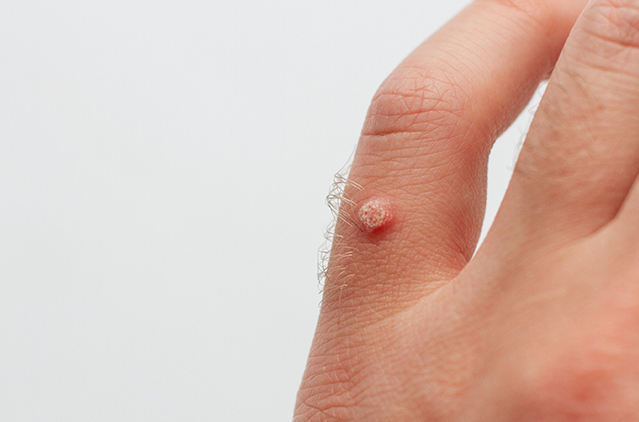
Warts are contagious and are caused by the human papillomavirus (HPV). They can spread through direct skin-to-skin contact, sharing personal items like towels or razors, or touching contaminated surfaces such as gym equipment. While they are not usually harmful, they can spread to other parts of your body or to others if not managed properly.

You don’t have to panic—but you do need to take it seriously. Whether it’s a common wart, plantar wart, or genital wart, HPV can spread to others or even to different parts of your own body.

How to Stop Warts from Spreading: Key Prevention Strategies

To reduce the risk of spreading warts, simple hygiene and care measures are essential.

  • Avoid picking, scratching, or shaving over warts
  • Cover the wart with a clean, breathable bandage
  • Wash your hands after touching the affected area
  • Do not share personal items like towels, socks, or razors
  • Disinfect commonly used surfaces and tools
  • Keep feet clean and dry to prevent the spread of plantar warts

Early care and timely treatment play an important role in controlling the spread of warts and preventing further recurrence.

Types of Warts and Their Contagiousness

Warts can present in different forms, each with its own pattern of spread, as outlined below:


  • Common warts: Usually appear on hands and fingers and spread through direct contact
  • Plantar warts: Found on feet and spread in moist environments like pools or gyms
  • Flat warts: Smaller and smoother, often spreading easily across the face or arms
  • Genital warts: Spread through intimate contact and require medical attention


Recognising the specific type helps guide appropriate care and reduce the risk of further spread.

Wart Removal: Laser vs. Cryotherapy – What Works Best?

If home remedies haven’t worked, you’re likely considering professional wart removal options. The top contenders? Laser treatment and Cryotherapy. Let’s break them down:

Cryotherapy for Wart Removal

This method uses liquid nitrogen to freeze the wart tissue. It’s commonly performed by dermatologists and requires multiple sessions.

Pros:

  • Quick outpatient procedure
  • Minimally invasive
  • Works well for small, superficial warts

Cons:

  • Can be painful or uncomfortable
  • Multiple sessions often needed
  • May cause temporary blistering or scarring
  • Not ideal for deeper or stubborn warts

Laser Wart Removal (Used at Kosmoderma Clinics)

Laser removal uses high-energy beams (like CO2 or pulsed dye lasers) to vaporize wart tissue with precision and minimal damage to surrounding skin.

Pros:

  • High precision, especially for hard-to-reach or resistant warts
  • Typically, fewer sessions
  • Minimal bleeding or scarring
  • Suitable for facial or genital areas too

Cons:

  • Slightly higher cost per session
  • Mild discomfort during/after the procedure

Clinical Note: Laser removal is often preferred for flat warts, periungual warts, and warts that haven’t responded to cryotherapy.

How to Choose Between Laser and Cryotherapy for Wart Removal

Choosing the right treatment depends on the size, depth, and location of the wart.


  • Cryotherapy: Suitable for small, superficial warts, but may require multiple sessions.
  • Laser treatment: Ideal for stubborn, deep, or recurring warts with more precise results.


At KOSMODERMA, dermatologists recommend personalized treatment plans based on your\ condition for safe and effective removal.

Post-Treatment Care: What to Expect After Wart Removal

Proper aftercare helps ensure healing and prevents recurrence.


  • Avoid direct sun exposure on treated skin
  • Follow dermatologist-recommended wound care
  • Do not scratch or irritate the area
  • Keep the treated area clean and dry


Following these steps supports faster recovery and better results.

Why Choose Kosmoderma for Safe and Effective Wart Removal?

With over 3,75,000 procedures performed and advanced laser technology, Kosmoderma offers safe, effective, and hygienic wart removal—backed by medical expertise.

  • Medical-grade lasers for all skin types
  • Personalized consultation by trained dermatologists
  • Clean, private, and professional environment
  • Locations across Bangalore, Chennai, Mumbai, and Delhi

Ready to Treat Your Warts the Smart Way?

Let our dermatologists assess your case and recommend the best treatment. Whether you’re dealing with one stubborn wart or many, Kosmoderma’s expert care can help you get clear skin fast.

Frequently Asked Questions

1. Can I treat warts at home?

Yes, but over-the-counter solutions often fail or take months. Laser/Cryotherapy offers faster relief.
There’s a small risk of recurrence, especially if HPV remains active. Following aftercare helps reduce the risk.
Cryotherapy may sting. Laser removal causes mild discomfort, often likened to a rubber band snap.
Yes, especially when left untreated or uncovered. Take precautions to prevent spread.
Your doctor may suggest multiple sessions or combination treatments. Don’t ignore them—early action works best.
Previous Post
Next Post
Skin Care
Skin Care

Related Blogs