Book Your Appointment
It’s not so hard to keep abreast with what’s happening in the world of SELF-CARE. All you need to do is drop email and we will keep dropping the knowledge bomb!
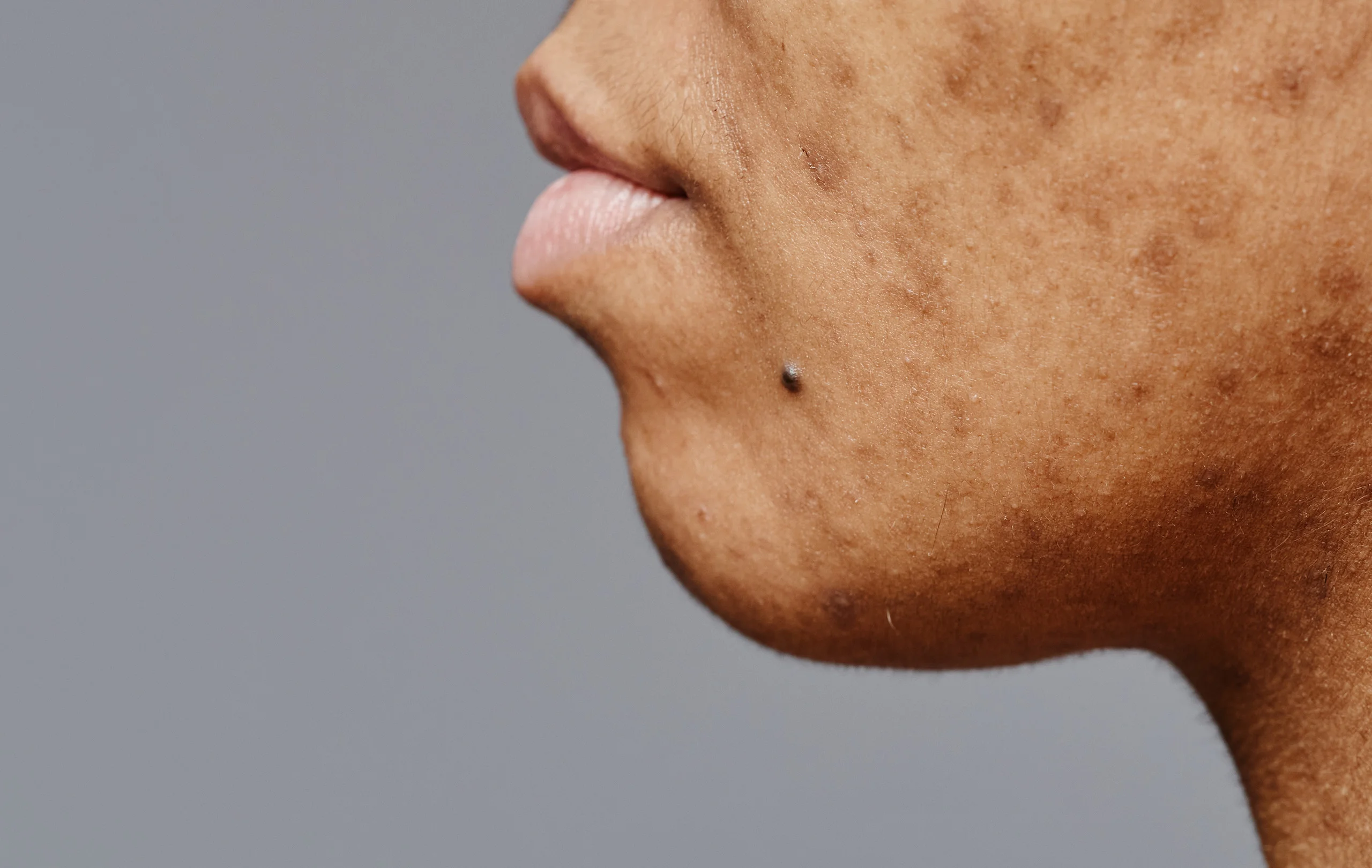
Not every dark patch on your skin is the same problem wearing a different face. Sun spots, melasma, and acne marks all look like “pigmentation” at a glance, but they form differently and respond to different treatments.
Using the wrong product on the wrong type wastes months and sometimes makes things worse. This guide breaks down the main types of pigmentation, what actually causes each one, and which treatments dermatologists reach for.
By the end, you will know which category your skin falls into and what questions to ask at your next dermatology visit.
Your skin’s colour comes from melanin, a pigment produced by cells called melanocytes. Pigmentation issues happen when melanin production goes uneven, either producing too much in some areas or too little in others.
Too much melanin in a specific area creates hyperpigmentation, the dark patches, spots, and discoloration most people mean when they say “pigmentation.” Too little melanin creates hypopigmentation, which shows up as lighter patches instead.
This guide focuses on hyperpigmentation, since it is the more common concern that brings people into a dermatology clinic.
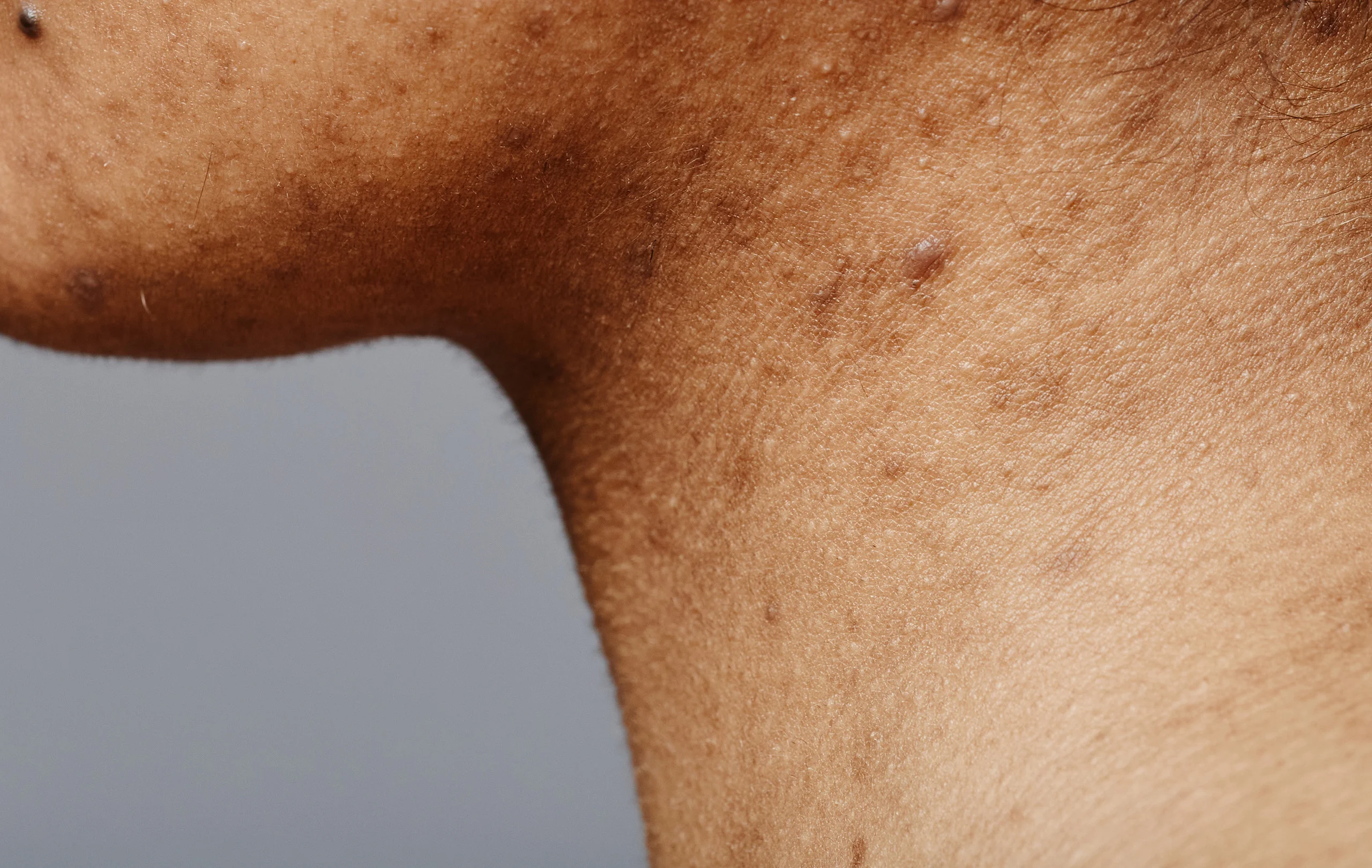
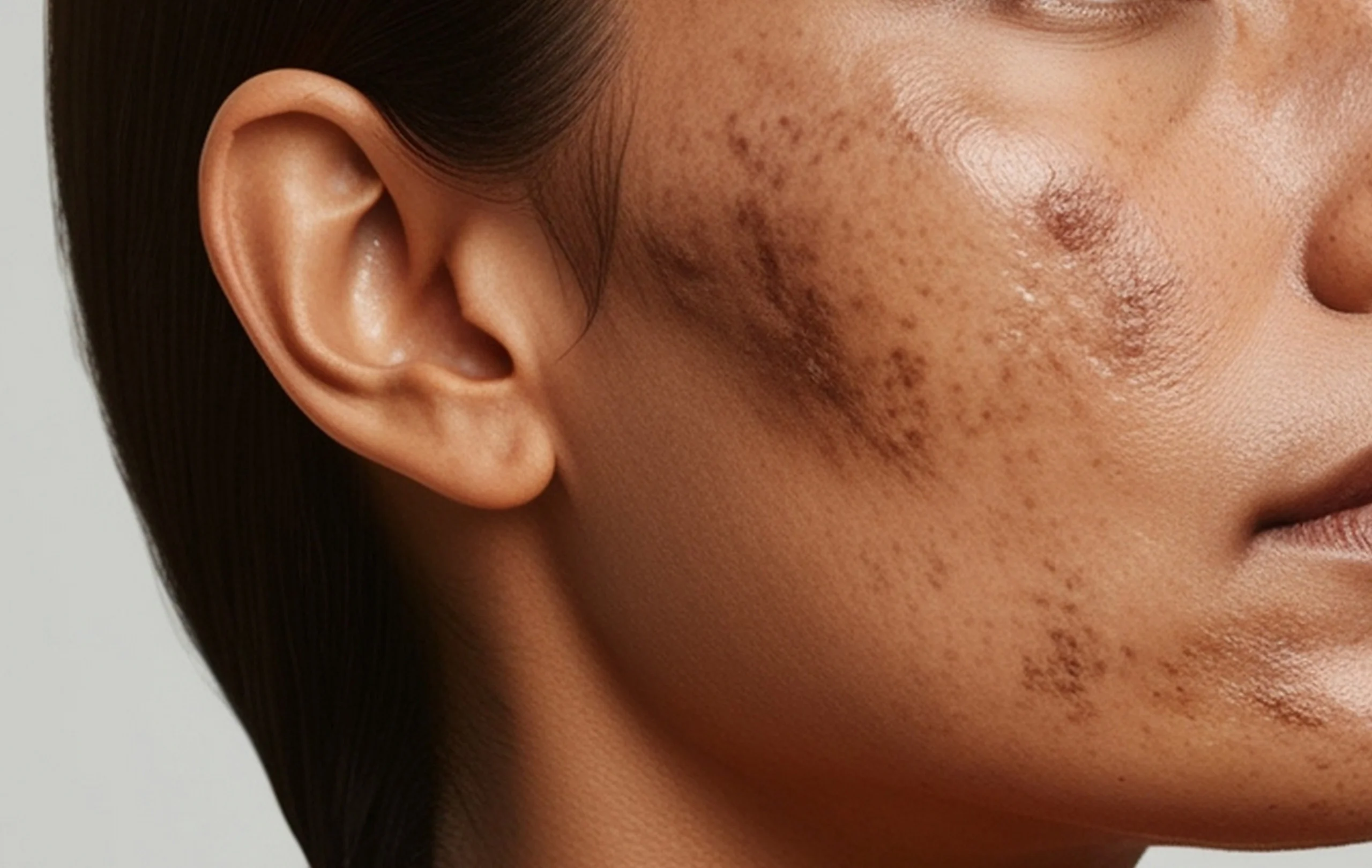
Melasma shows up as brown or greyish-brown patches, usually on the cheeks, forehead, upper lip, and bridge of the nose. The patches tend to appear symmetrically on both sides of the face.
Hormonal shifts drive most melasma cases. According to the American Academy of Dermatology, this condition is strongly linked to pregnancy, birth control pills, and hormone therapy, which is why it is sometimes called the “mask of pregnancy.”
Sun exposure makes melasma worse even when hormones triggered it first. This combination makes melasma notoriously stubborn and prone to returning after treatment if sun protection lapses.
Melasma is also more common and more persistent in people with darker skin tones, including most Indian skin types.
Here is what tends to distinguish melasma from other pigmentation types:
Melasma responds slowly. Patience and consistent sun protection matter more here than with almost any other pigmentation type.
PIH is the dark mark left behind after your skin heals from inflammation or injury. Acne breakouts, eczema flares, cuts, burns, and even aggressive skincare procedures can all trigger it.
Unlike melasma, PIH usually appears as isolated spots rather than symmetrical patches. It follows the shape of whatever caused it, so a healed pimple leaves a round mark and a scratch leaves a linear one.
The good news is that PIH is not a permanent pigment change. It fades naturally over months, though dermatological treatment speeds this up considerably.
PIH is one of the most common pigmentation concerns for acne-prone skin, since every healed breakout carries a risk of leaving a mark behind.
Solar lentigines, commonly called sun spots or age spots, are flat brown marks that appear on skin with years of sun exposure behind it. Think hands, face, and shoulders.
These spots form when UV exposure speeds up melanin production in specific areas over time. Unlike melasma, sun spots are not hormonally driven and do not follow a symmetrical pattern.
They tend to appear as your skin ages, which is why the “age spot” name stuck, though sun exposure is the real driver rather than age itself.
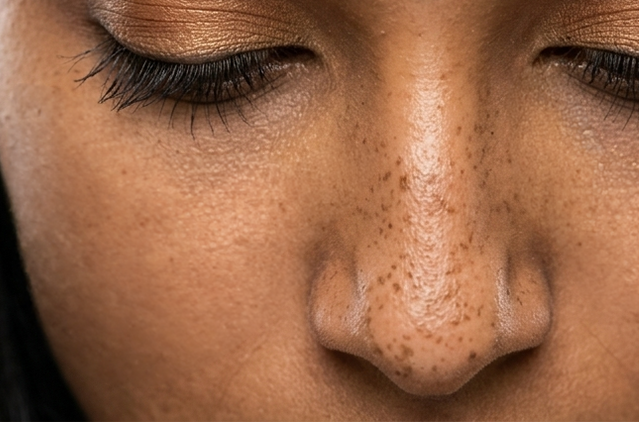
Freckles, or ephelides, are small, flat, tan-to-brown spots that typically appear on sun-exposed areas like the face, arms, and shoulders. Genetics plays the biggest role here.
People with lighter skin tones tend to develop freckles more easily, and they often darken in summer and fade in winter as sun exposure changes. Unlike other pigmentation types, freckles are largely a cosmetic trait rather than a sign of skin damage.
Now that you know the categories, here is what actually treats them.
No single product clears every type of pigmentation. Treatment plans work best when matched to the specific cause behind your spots.
Here is a quick reference for which treatments tend to fit which pigmentation type, though your dermatologist should confirm the exact plan for your skin:
| Pigmentation Type | Best-Suited Treatments |
|---|---|
| Melasma | Chemical peels (mild strength), topical brightening agents, strict sun protection, laser used cautiously |
| PIH (acne/injury marks) | Topical brightening agents, chemical peels, HydraFacial |
| Sun spots/age spots | Q-Switch Laser, chemical peels |
| Freckles | Q-Switch Laser (for those seeking removal), sun protection to prevent darkening |
Ingredients like vitamin C, niacinamide, azelaic acid, and prescription-strength options work by slowing melanin production or speeding up cell turnover. These work well for early-stage PIH and mild sun spots, though melasma often needs more.
Peels using glycolic, salicylic, or lactic acid exfoliate the surface layer, encouraging pigmented skin cells to shed faster. Dermatologists customize peel strength based on your skin type and which pigmentation type you have, since overly aggressive peels can worsen melasma in darker skin tones.
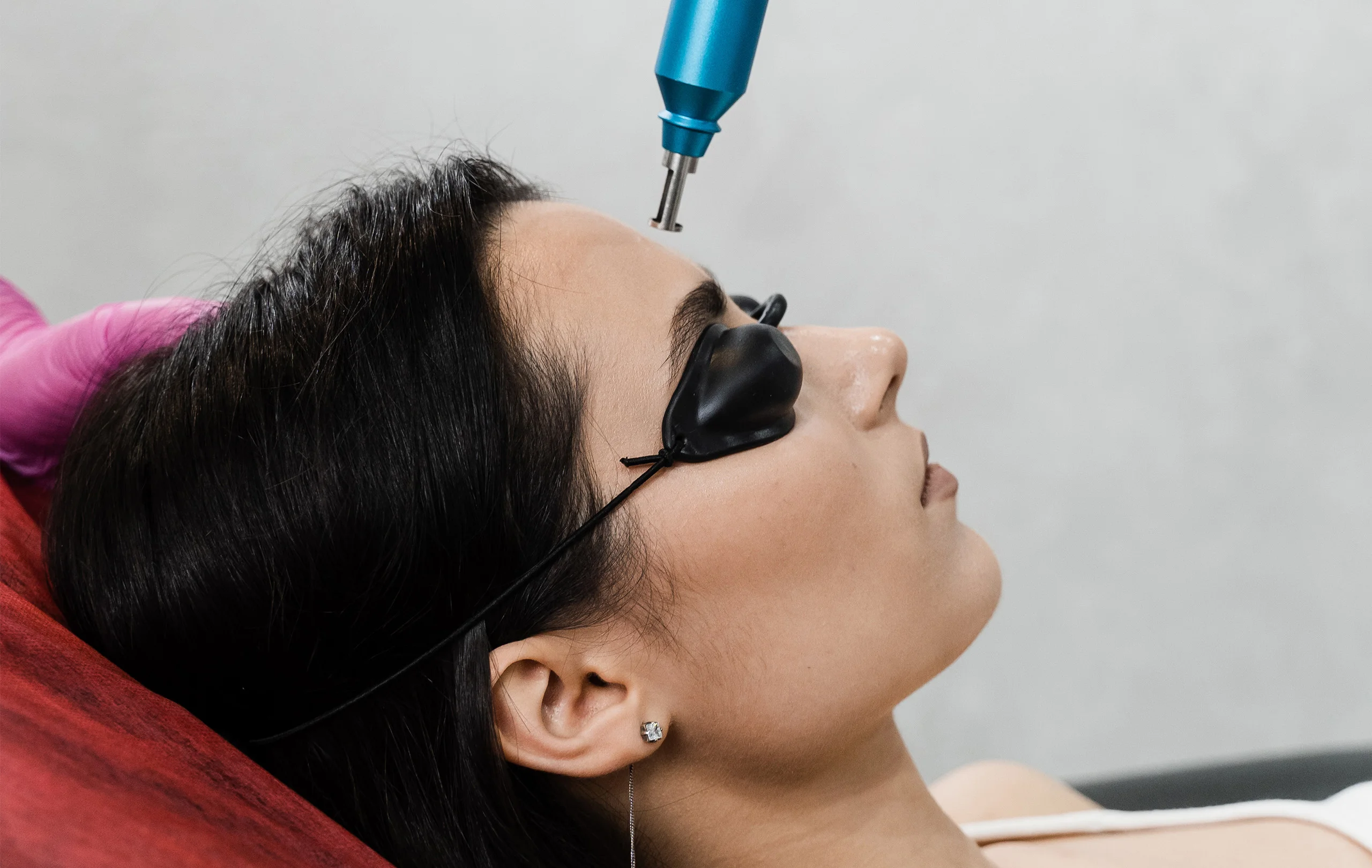
This laser emits short, high-intensity pulses that target and break down pigment-containing cells without damaging surrounding tissue. It works particularly well for sun spots, age spots, and freckles, and is often combined with other treatments for melasma.
This treatment combines cleansing, exfoliation, and hydrating serums to gradually improve tone and texture. It suits people looking for a gentler, lower-downtime option alongside their main pigmentation treatment.
Every pigmentation treatment fails faster without daily sunscreen. UV exposure reactivates melanin production in treated areas, which is why dermatologists consider sunscreen non-negotiable rather than optional.
Two pigmentation types can look nearly identical to the untrained eye but need completely different approaches. Melasma treated like a sun spot often gets worse, not better, because the underlying hormonal trigger goes unaddressed.
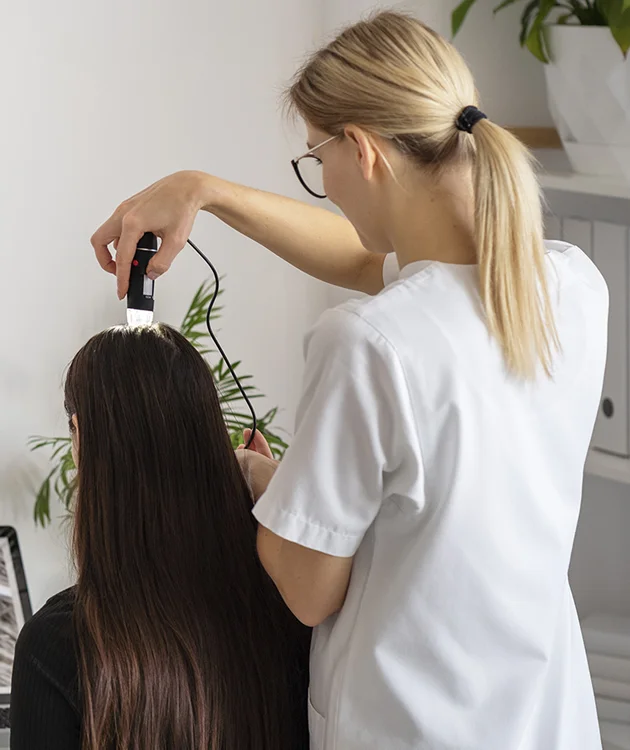
Cleveland Clinic notes that a dermatologist typically examines the skin directly and may use a Wood’s lamp to see pigment patterns beneath the surface before recommending treatment.
Skip the guesswork of trying five different serums over a year. A proper diagnosis narrows the treatment plan from the first visit.
Not sure which type of pigmentation you’re dealing with? Book a consultation with Kosmoderma for a proper diagnosis and a treatment plan built around your skin.
Melasma usually shows up as symmetrical patches on both cheeks, forehead, or upper lip, often linked to hormones. Sun spots and age spots are typically scattered, asymmetrical, and tied to cumulative sun exposure rather than hormones.
Yes, post-inflammatory hyperpigmentation is not a permanent pigment change and does fade naturally over months. Treatment such as chemical peels or topical brightening agents speeds up the process considerably.
Melasma in particular is prone to recurrence, especially if sun protection lapses. UV exposure reactivates melanin production in treated areas, which is why daily sunscreen is non-negotiable regardless of which treatment you choose.
No, and this is the most common mistake people make. Melasma treated like a sun spot often gets worse rather than better, since the underlying hormonal trigger goes unaddressed.
Q-Switch laser works particularly well for sun spots, age spots, and freckles. It is used more cautiously for melasma, since aggressive treatment can worsen it in darker skin tones, which is why a dermatologist’s diagnosis should come before choosing a treatment.
Not necessarily. Some clinics offer packages that are all-inclusive, while others will charge for implants, garments, or consumables separately. It is always best to ask for a breakdown of the costs before you book.
At least two – the first consultation will give you an idea of the options for treatment, and the second consultation will confirm the costs and procedures for recovery and aftercare support.
Not necessarily. A cheaper clinic may be passing on limited technology, unseasoned staff, or not mentioning their exclusions in the initial quote. It is important to always check the surgeon’s expertise, the clinic’s safety protocols, and the results of previous before and afters when making your decision.
Kosmoderma is proudly powered by WordPress


India’s 1st NABH Accredited Aesthetic Brand
Terms of Use & Privacy Policy | Disclaimer
@2025 Kosmoderma