Book Your Appointment
It’s not so hard to keep abreast with what’s happening in the world of SELF-CARE. All you need to do is drop email and we will keep dropping the knowledge bomb!
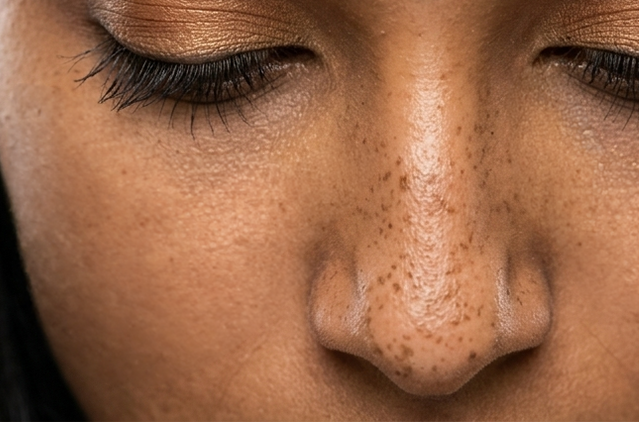
Have you ever noticed a dark spot, discoloration, or dullness appearing on your nose area?
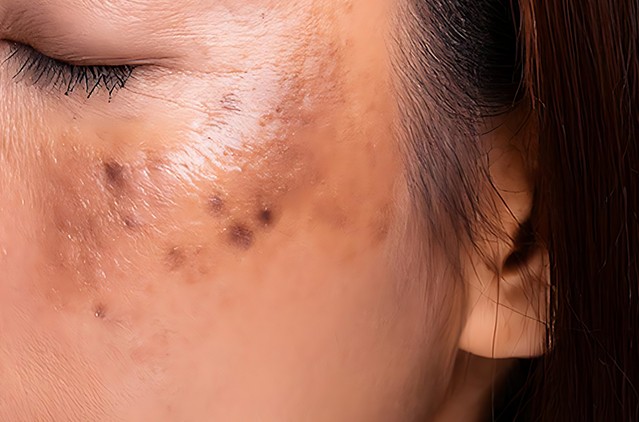
When it comes to the most common skin problems on the nose, hyperpigmentation or discoloration is definitely among those. Although it is possible to have darkened skin patches on any part of the face, pigmentation on the nose tends to bother people the most because it is impossible to hide. Despite regular skincare and makeup application, the skin around the nose area often looks darker than usual.
It may appear as a dark patch, grayish-brown spot, or acne mark on the nose. Many patients tend to think it is just dirt or a lack of hygiene, but the truth is, it has nothing to do with cleanliness or tanning. In order to understand how to treat pigmentation on the nose effectively, we should discuss its main causes.
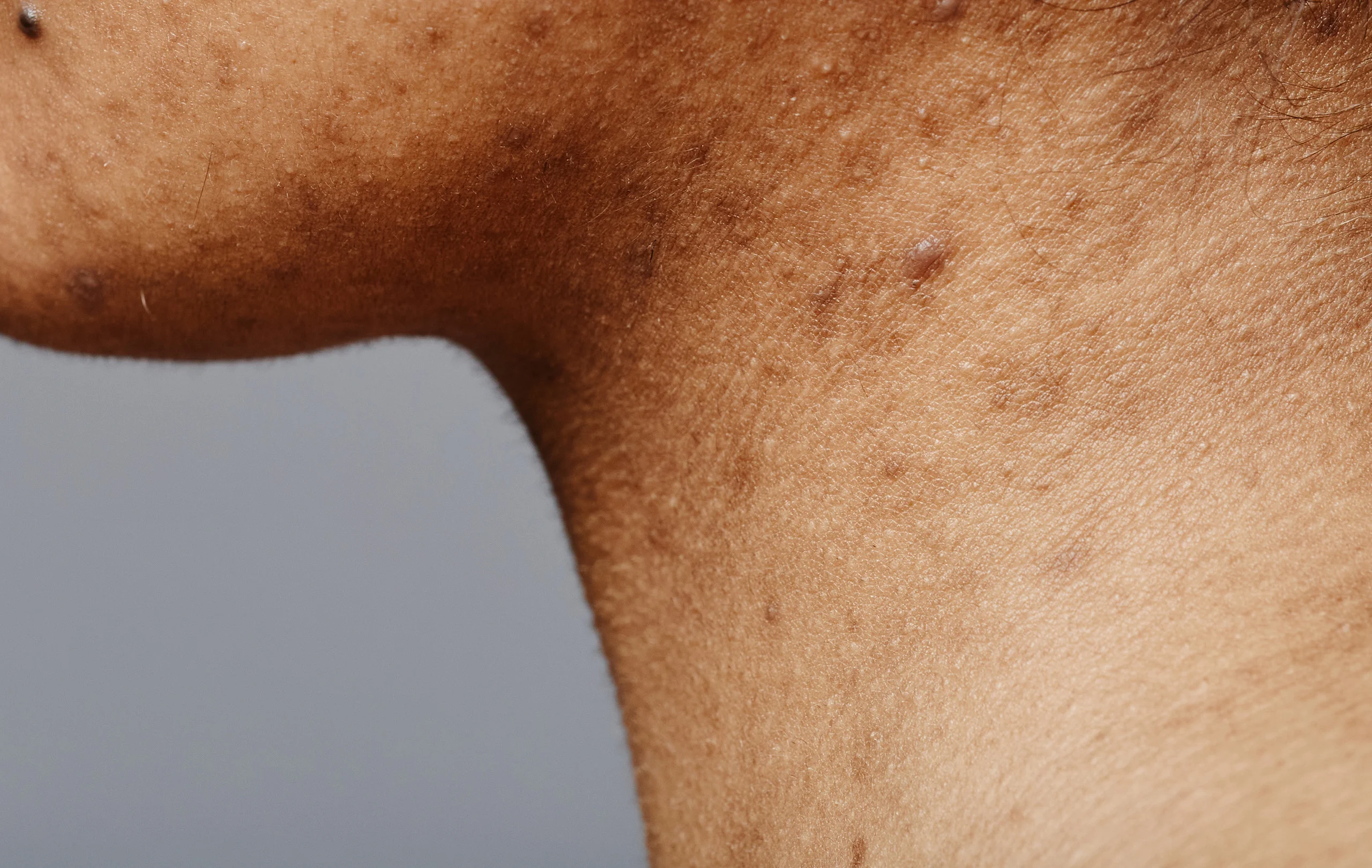
As you already know, pigmentation on the nose means darkening of the skin around this area due to increased production of melanin. Melanin is a skin pigment that is responsible for skin color. The increase in melanin production results in pigmentation and darkening of the skin. This problem may appear as the following:
The nose area is one of the most exposed areas of the face because it is constantly affected by UV exposure. Whether you spend time outside of your home or just drive a car, the nose receives constant UV exposure, which triggers pigmentation.
In addition, the nose area gets irritated easily because of:
irritation due to skincare products.
The most common reason for pigmentation on the nose is sun exposure. UV rays activate melanocytes and contribute to:
Even if you spend most of your time indoors, you should remember that UVA rays penetrate through the glass and affect the skin.
Post-inflammatory hyperpigmentation on the nose is a common skin problem associated with the healing process after injury or inflammation.
It often appears due to:
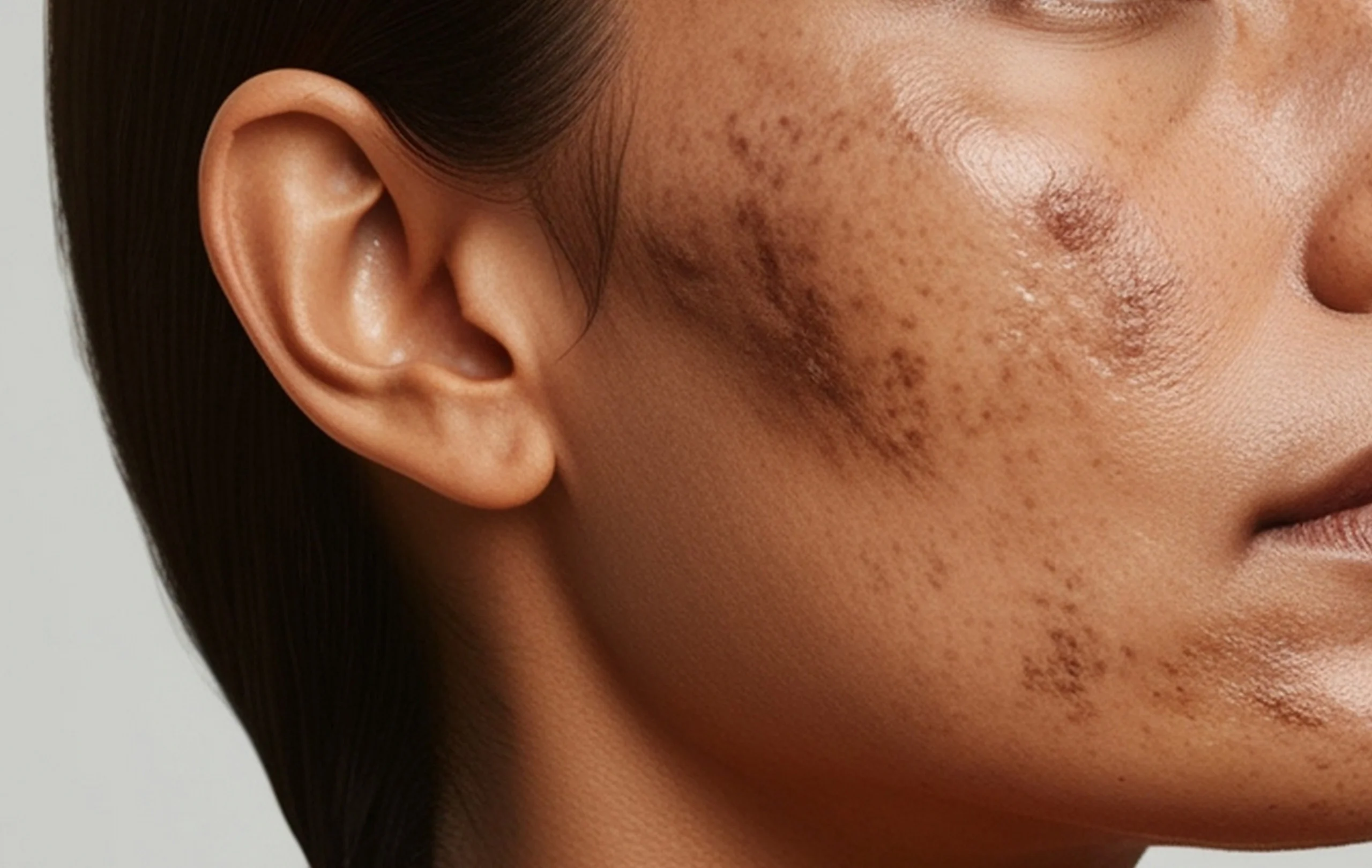
Increased production of melanin in response to hormonal changes can result in pigmentation on the nose. This problem often appears in people who are pregnant, suffering from hormonal disorders, taking birth control pills, or experiencing menopause.
Often, it appears as melasma on the nose or cheeks.
Some people tend to develop skin hyperpigmentation because of their genetic predisposition to this problem. If you have freckles, melasma, or other skin conditions in your family, you may have such problems too.
As skin ages, it becomes more sensitive to sun exposure. In addition, the aging process itself is often accompanied by the appearance of age spots or sun spots.
Some medications increase skin sensitivity to sunburn and result in pigmentation. These medications include:
In some cases, pigmentation on the nose may be caused by various medical conditions. These conditions include:
If you notice that your skin remains dark after treatment, you should consult your dermatologist.
There are different types of pigmentation on the nose, and it is crucial to understand which of them affects your skin.
Brown spots on the nose due to UV exposure.
Dark marks on the nose due to healing acne.
Dark spots on the nose that become darker with exposure to sunlight.
Patches on the nose caused by hormone fluctuations.
Skin darkening due to frequent irritation or sunburn.
Compare 2–3 shortlisted options side-by-side, not just the cheapest price. A transparent clinic will happily share a detailed breakup.
Your dermatologist will prescribe some effective skin care products to treat pigmentation on the nose. They will help to regulate melanin production and improve skin tone.
Commonly prescribed medications include:
You will achieve better results when using products recommended by your doctor.
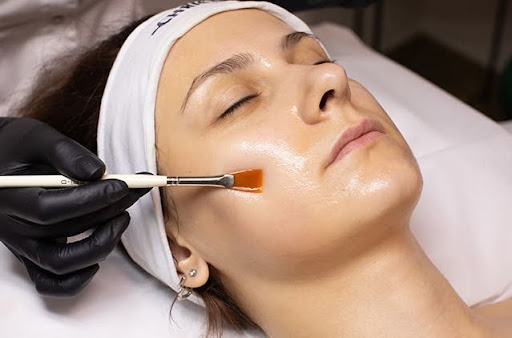
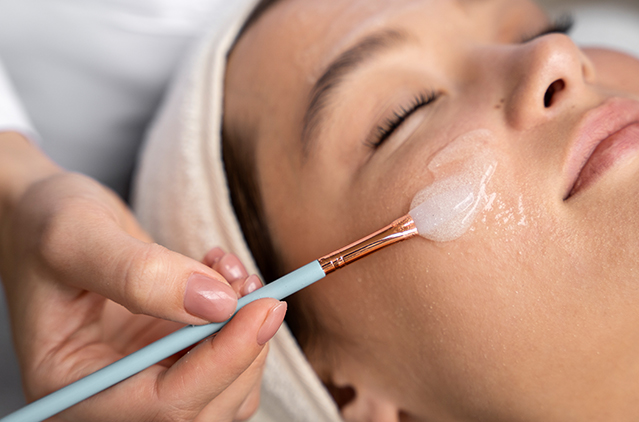
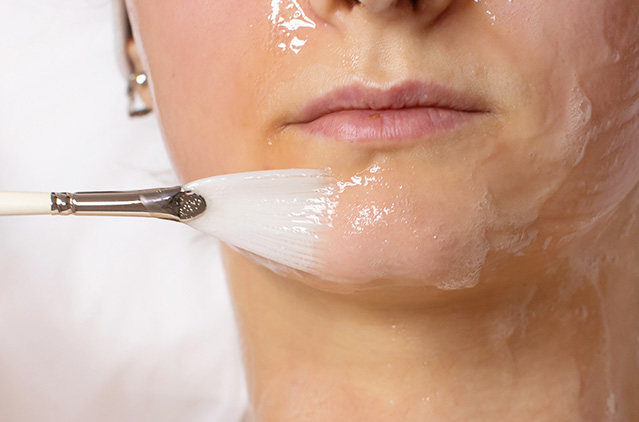
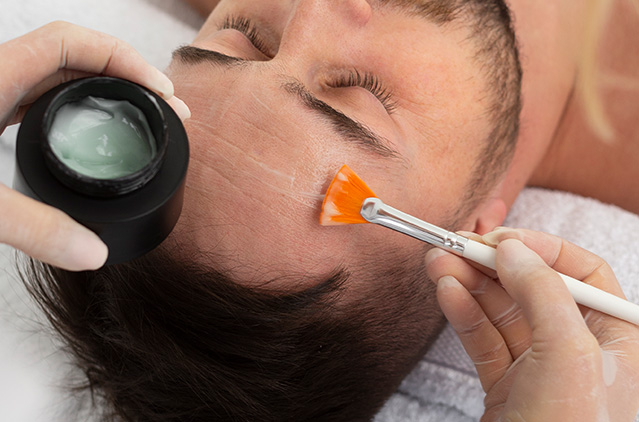
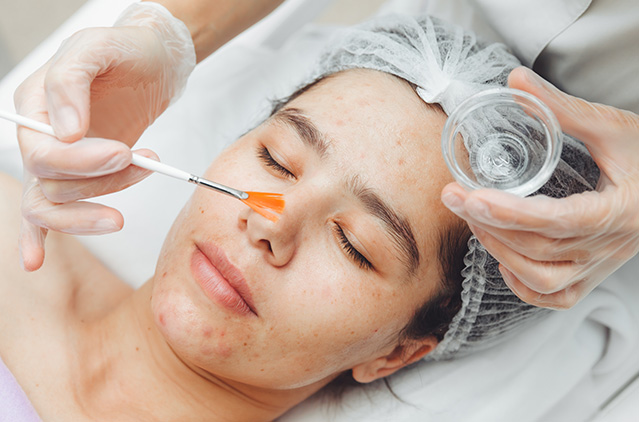
If your problem is caused by acne marks or mild pigmentation, chemical peels will be helpful.
They remove the pigmented skin layer and restore its health.
Laser treatment on the nose can be useful when treating deep and persistent pigmentation. Laser therapy removes excess melanin from the skin. The pigment is broken down into smaller pieces and removed by the body. Laser therapy helps to get rid of:
In order to avoid any harm to the skin, you should consult a dermatologist before starting laser therapy.
Any skin treatment can be ineffective if you neglect the importance of using sunscreens. It is crucial to apply broad-spectrum SPF with a high protection level every day to protect your skin from pigmentation.
People often aggravate their skin problems by applying harsh scrubs or picking pimples. Therefore, it is important to be gentle with the skin on your nose and avoid the following:
The easiest way to avoid skin problems is to prevent them. There are some measures you can take to avoid pigmentation on the nose in the future:
Visit your dermatologist if:
Pigmentation on the nose is a very common problem among both women and men. However, there are different reasons for the appearance of dark spots or patches. Some people develop them due to sun exposure, hormonal imbalance, or acne marks. Only after identifying the exact cause of your pigmentation can you start treating this skin problem effectively.
The main reasons for pigmentation on the nose include sun exposure, acne marks, hormones, melasma, irritation, and genetics.
In some cases, mild pigmentation disappears gradually if you use proper skincare and protect your skin from sunlight.
There are different treatment methods that can be effective depending on the nature of pigmentation. They include topical products, laser therapy, or chemical peels.
Laser treatment on the nose can be very safe if performed correctly.
Depending on the nature of pigmentation, the treatment period may vary between a couple of weeks and several months.
Yes, daily application of sunscreen can prevent pigmentation caused by UV rays.
Not necessarily. Some clinics offer packages that are all-inclusive, while others will charge for implants, garments, or consumables separately. It is always best to ask for a breakdown of the costs before you book.
At least two – the first consultation will give you an idea of the options for treatment, and the second consultation will confirm the costs and procedures for recovery and aftercare support.
Not necessarily. A cheaper clinic may be passing on limited technology, unseasoned staff, or not mentioning their exclusions in the initial quote. It is important to always check the surgeon’s expertise, the clinic’s safety protocols, and the results of previous before and afters when making your decision.
Location


India’s 1st NABH Accredited Aesthetic Brand
Top Services
Skin Specialist
Our Clinics
Top Cosmetologists / Top Plastic Surgeon
Terms of Use & Privacy Policy | Disclaimer
@2025 Kosmoderma