Book Your Appointment
It’s not so hard to keep abreast with what’s happening in the world of SELF-CARE. All you need to do is drop email and we will keep dropping the knowledge bomb!
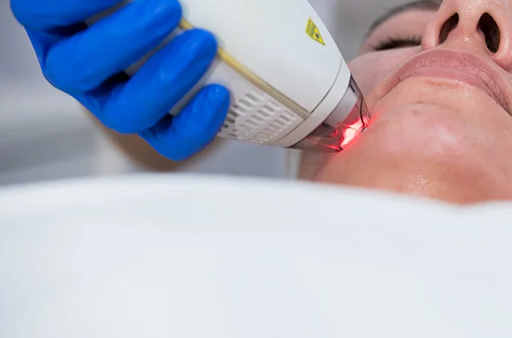
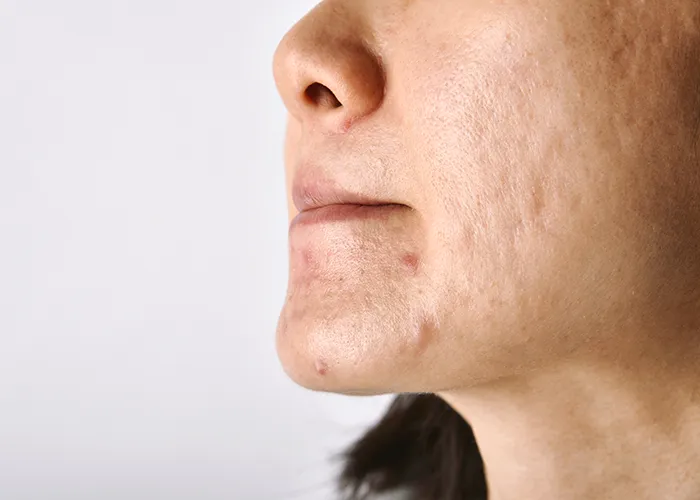
Laser treatment for acne scars can help your skin look clearer. It can smooth uneven texture and reduce dark spots, but laser treatment for acne scars side effects are also possible. This article explains the common side effects, who is more at risk, how to prepare, and how to reduce problems. Read this before you book a session.
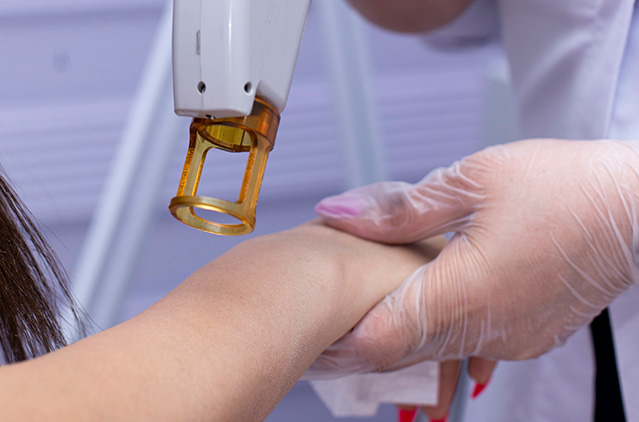
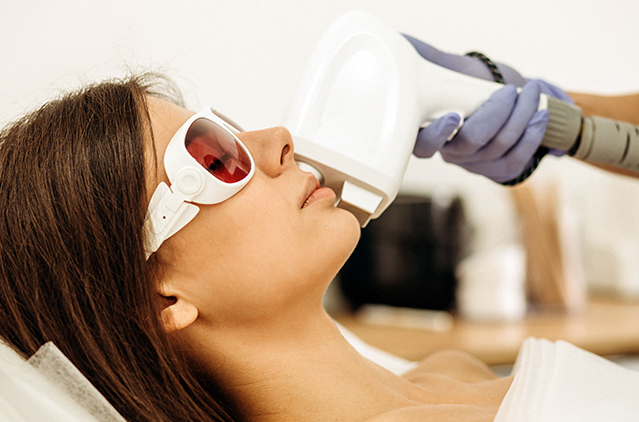
Lasers work by removing damaged skin or by heating deep layers to boost new skin. Some lasers remove the top layer. Some heat the deeper layer to raise collagen. Both kinds can cause side effects. The type of laser, your skin tone, and the care you follow will change the chance of side effects.
Ablative lasers remove the top skin layer. This gives a stronger chance but more downtime. Non-ablative lasers heat deeper skin to lift collagen. These need more sessions and have less downtime. Fractional lasers treat small columns of skin and leave nearby skin intact. That helps the skin heal faster. Which laser you get affects the side effects and recovery time.
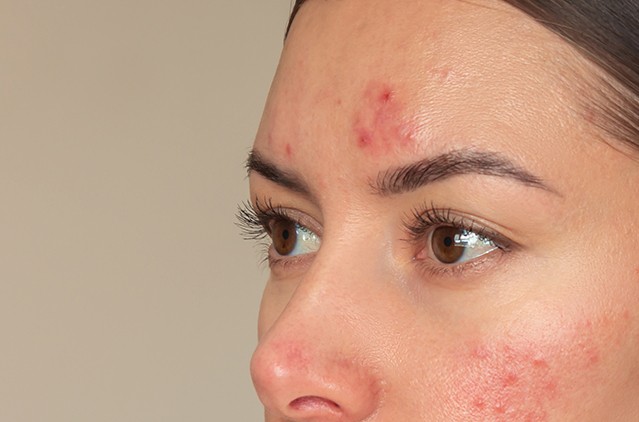
Most people have red, puffy skin after treatment. This lasts a few days for mild lasers and up to ten days for stronger ones.
You may feel hot or sore. Numbing cream or pain medicine helps in the first few hours.
If the top layer is removed, the skin can form crusts. The skin peels as new skin grows. Do not pick crusts. Picking raises the chance of infection and scars.
Any skin break can get infected. Your doctor may give an ointment or pills to prevent infection. If you see pus, a fever, or growing pain, call your doctor.
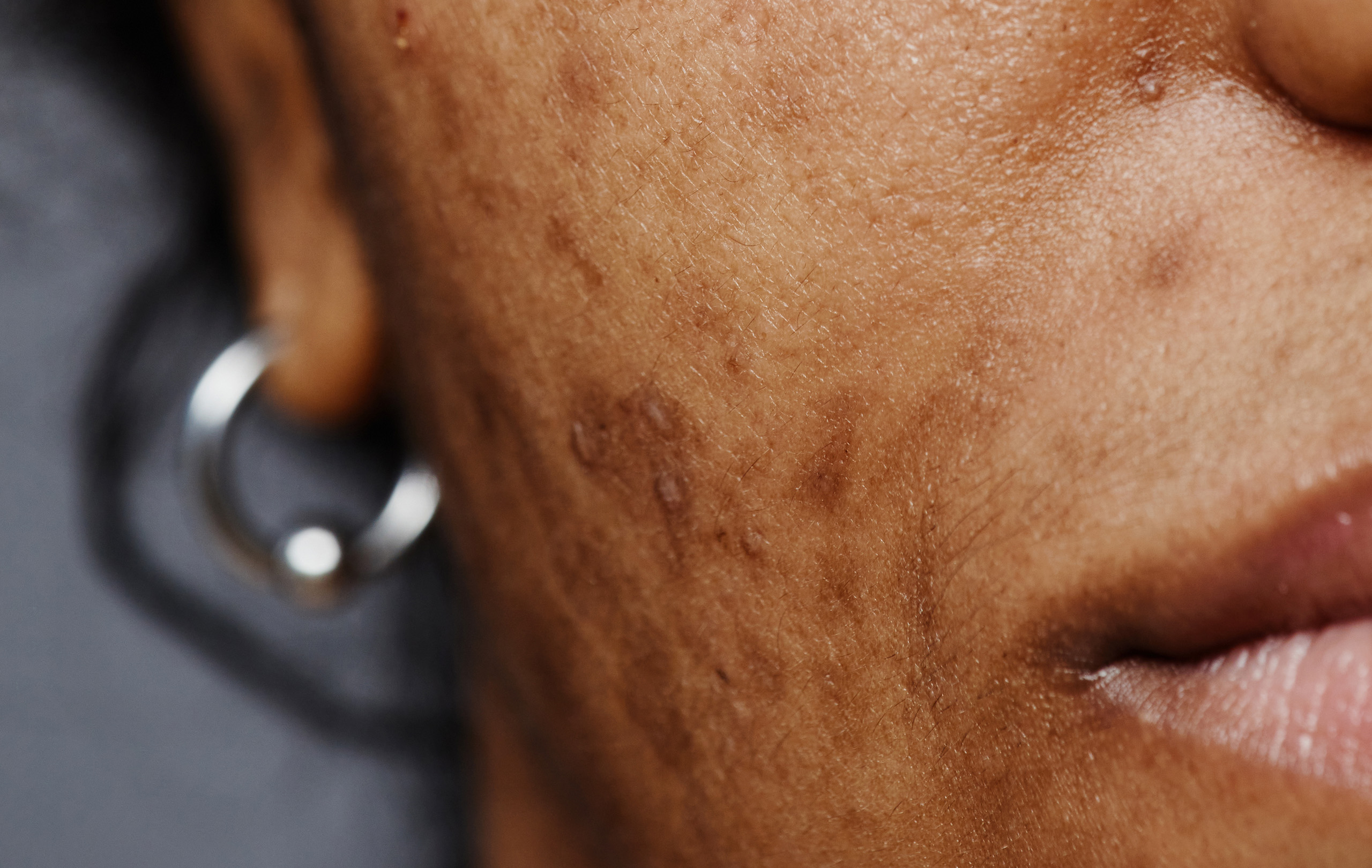
Skin can darken (hyperpigmentation) or, rarely, lighten (hypopigmentation). Darker skin tones have a higher risk of dark spots after laser treatment. This can be temporary or last longer. Treatments exist for pigment change, but they take time.
Some people get tiny white bumps (milia) or a short acne flare while healing. Your care team can tweak creams and ointments to avoid this.
If healing goes wrong, scars can form. An experienced dermatologist lowers this risk.
You should always see a board-certified dermatologist who can choose the right laser and settings for your skin and help reduce laser treatment for acne scars side effects. If you have darker skin or a history of pigmentation, a patch test is important before starting. Your doctor may ask you to stop retinoids or blood thinners for some time, so follow their advice closely. Avoid sun exposure and tanning for 2–4 weeks before the session, and use sunscreen every day. After treatment, follow the aftercare steps: keep the area clean, apply the recommended ointment, and avoid makeup until it is safe. Also, make sure to tell your doctor about every medicine, herb, or supplement you are taking.
The full result takes weeks to months. New collagen builds slowly. If you see worsening redness, spreading rash, pus, fever, or sudden pigment change, contact your doctor right away.
Laser costs vary. Ablative lasers cost more and take longer to heal. Non-ablative lasers cost less per session but need more sessions. Ask about total sessions, device type, and downtime in your consultation. Some clinics offer packages. Plan time off if you expect visible peeling or crusting.
Laser treatment for acne scars can help, but laser treatment for acne scars side effects are real. Know the risks and how to reduce them. Choose an experienced dermatologist. Do the prep and follow the aftercare? That is the best way to get safe results and fewer surprises.
Not necessarily. Some clinics offer packages that are all-inclusive, while others will charge for implants, garments, or consumables separately. It is always best to ask for a breakdown of the costs before you book.
At least two – the first consultation will give you an idea of the options for treatment, and the second consultation will confirm the costs and procedures for recovery and aftercare support.
Not necessarily. A cheaper clinic may be passing on limited technology, unseasoned staff, or not mentioning their exclusions in the initial quote. It is important to always check the surgeon’s expertise, the clinic’s safety protocols, and the results of previous before and afters when making your decision.
Location


India’s 1st NABH Accredited Aesthetic Brand
Top Services
Skin Specialist
Our Clinics
Top Cosmetologists / Top Plastic Surgeon
Terms of Use & Privacy Policy | Disclaimer
@2025 Kosmoderma