Introduction
A chemical peel procedure removes dull skin to reveal fresh, glowing skin. It is quick, safe, and performed by a skin doctor. A chemical peel is a clinical treatment that removes old skin. The new skin looks brighter. It also evens out the tone and smooths rough patches. At Kosmoderma, skin doctors choose the right peel for your skin type and goals.
What a chemical peel procedure does
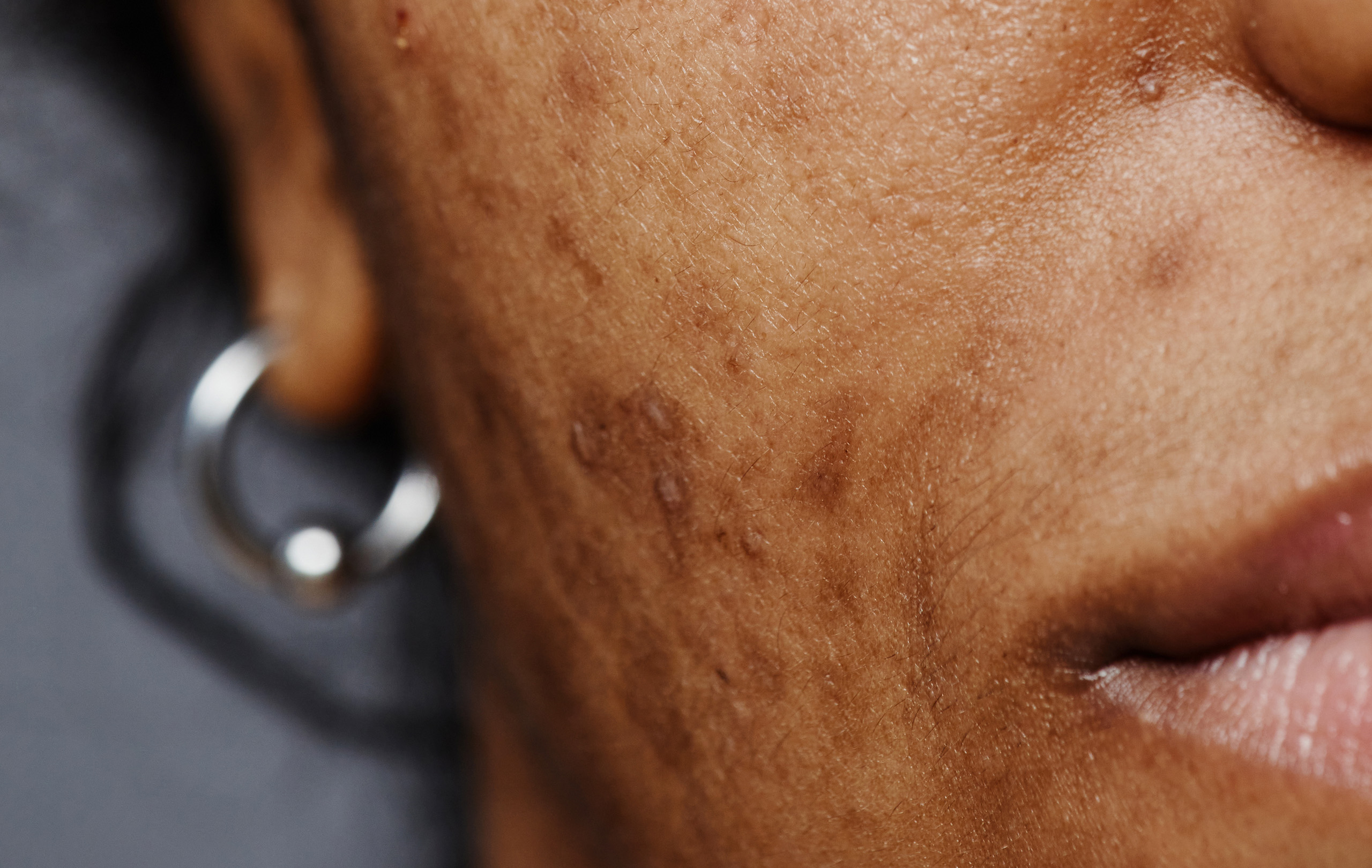
It speeds up skin renewal. You get clearer, softer skin faster than with home care. A chemical peel works by removing the top layer of skin in a controlled way. This helps fade dark spots, smooth fine lines, and clear rough patches. It also helps serums and creams work better on your skin later.
Who should consider this treatment?
Choose a peel if your skin looks dull, has marks, or feels rough. Good candidates include people with sun spots, mild acne marks, rough skin, and early lines. People with active infections or very dark, fragile skin should talk to a skin doctor first.
At Kosmoderma, the skin doctor checks your skin closely. They will not do a peel if it could harm you.
Types of peels
Peels come in three strengths. Pick the one that fits your skin’s needs.
- Light peels are gentle for a glow and mild dark spots, with little to no downtime.
- Medium peels are stronger for acne marks and deeper sun damage; some peeling and redness follow.
- Deep peels are the strongest for major damage and are done rarely, only by a skin specialist.
Kosmoderma uses medical-grade peels matched to your skin.
Step-by-step Chemical Peel Procedure
The clinic visit follows clear steps: check, clean, apply, neutralize, calm, and protect.
1.Consult and skin check
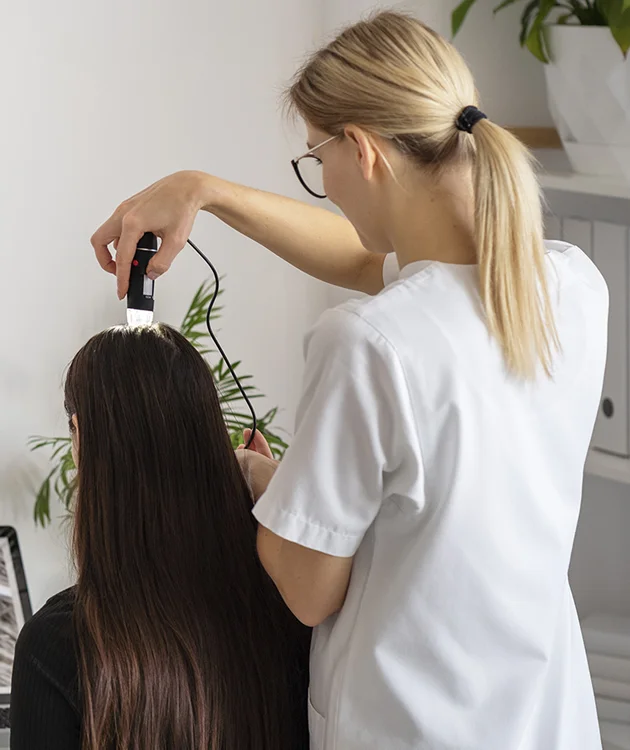
The visit starts with a short discussion. The doctor asks about your health and skin history. They examine your skin under good light. Then, they select the type and strength of the peel. This ensures the treatment is safe.
2.Clean and prep the skin
The skin is cleaned to remove oil and dirt. This helps the peel act evenly. If needed, a mild degreaser is used. This is normal and quick.
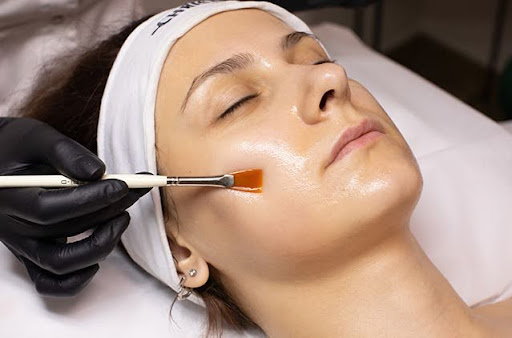
3.Apply the peel
The doctor or nurse uses a brush or cotton pad. The peel is applied in small layers. You may feel a mild tingle. The doctor monitors the skin and times the peel. Timing controls how deep the peel goes.
4.Stop the peel
After the set time, the peel is neutralized or washed off. This stops its action. The doctor checks the skin again.
5.Soothing and sun protection
A cool mask or gel is applied to calm the skin. Then, the team applies a gentle sunblock. This protects the new skin and reduces redness.
6.Short recovery note
The session takes 30–45 minutes for most peels. You can go home the same day.
What to expect after the peel—clear do’s and don’ts
Expect light redness and flaking. Care helps the skin heal fast.
- Do use only mild cleansers for a week.
- Do keep your skin moist with a gentle cream.
- Do wear a broad-spectrum sunscreen every day.
- Don’t pick at peeling skin. Let it flake off on its own.
- Don’t use strong scrubs or acids for 7–14 days unless your doctor advises it.
- Avoid long sun exposure for at least 2 weeks.
Most people see a glow in a few days. Best results appear after a few sessions, if needed.
How often to get a chemical peel procedure
Frequency depends on the strength of the peel and your goals.
- Light peels: every 2–4 weeks.
- Medium peels: every 3–6 months.
- Deep peels: rarely—once a year or as advised.
At Kosmoderma, the doctor sets a plan that matches your skin type and desired results.
Benefits you’ll see
Regular peels make skin smoother, clearer, and more even.
- Fades small dark spots and marks.
- Smooths rough patches and fine lines.
- Reduces the appearance of open pores.
- Makes skin tone more even.
- Boosts glow and softness.
Peels also enhance the effectiveness of follow-up skin care.
Safety and why a clinic matters
A clinic peel is safer than DIY peels. An experienced dermatologist avoids issues. Home peels can be risky. The wrong product or timing can harm your skin. At a clinic, a skin doctor controls the depth of the peel to prevent damage. Kosmoderma uses approved peels and follows strict hygiene protocols.
Why choose Kosmoderma
Kosmoderma combines experienced dermatologists, safe peels, and quality care.
- 20+ Years of Legacy
- Experienced MD-Certified Dermatologists
- US-FDA Approved, Clinically Proven Technology
- K-Discover: Personalized 5-Step Consultation
- No Hidden Costs
- 130,000+ Happy Clients, With A 97% Satisfaction Rate
Final Take
A chemical peel procedure is a fast, safe way to refresh your skin. It removes dullness and restores glow. When done properly, it gives you soft, even skin with little downtime.
If you want a clear, glowing face, book a skin check at Kosmoderma. A short visit will let you know which peel suits your skin best. Then you can plan the treatment and aftercare.







Leave a Reply